
Goi Cuon, also known as Vietnamese fresh spring rolls, are a vibrant and healthy dish that embodies the essence of Vietnamese cuisine. These translucent rolls, packed with fresh herbs, vermicelli noodles, and various proteins, offer a delightful combination of flavors and textures. Whether you're a seasoned cook or a culinary novice, this comprehensive guide will walk you through everything you need to know about goi cuon, from their origins to making them at home and enjoying them with the perfect dipping sauce.
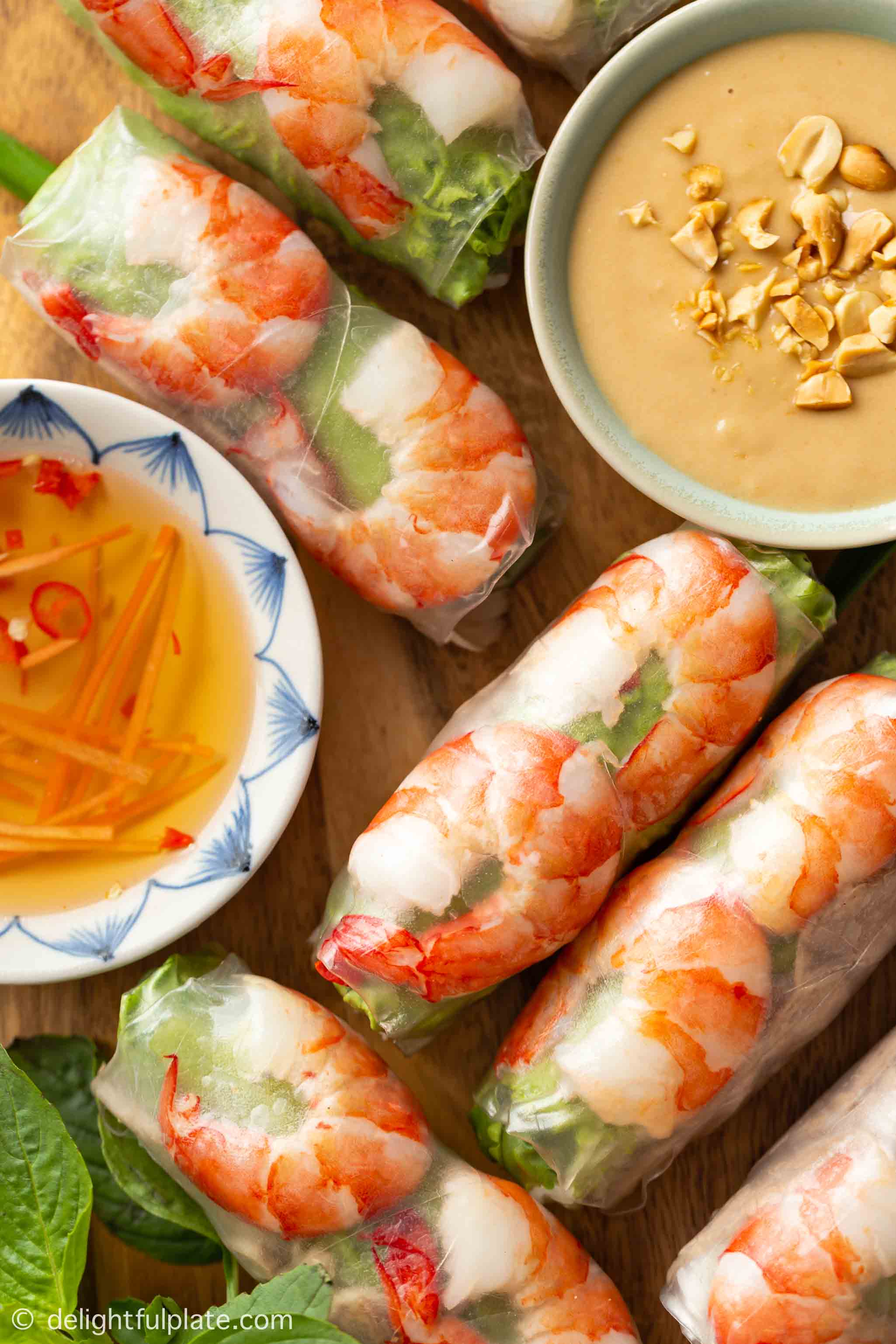
Goi Cuon: An Introduction to Vietnamese Fresh Spring Rolls
What are Goi Cuon?
Goi Cuon are a popular Vietnamese appetizer or light meal consisting of rice paper wrappers filled with a variety of ingredients. Unlike their fried counterparts (cha gio), goi cuon are served fresh, highlighting the natural flavors of the fillings. Common ingredients include:
- Rice vermicelli noodles: These thin noodles provide a light and slightly chewy base.
- Fresh herbs: Mint, cilantro, and basil are essential for their aromatic qualities.
- Lettuce: Adds a crisp texture and freshness.
- Protein: Shrimp, pork, or tofu are commonly used.
- Vegetables: Carrots, cucumbers, and bean sprouts add crunch and flavor.
The translucent rice paper allows the vibrant colors of the fillings to shine through, making goi cuon visually appealing as well as delicious.
The History of Goi Cuon
The history of Goi Cuon is deeply rooted in Vietnamese culinary traditions. While the exact origins are difficult to pinpoint, it's believed that these fresh spring rolls evolved from earlier forms of Vietnamese rolls and wraps. The use of rice paper, a staple in Vietnamese cuisine, dates back centuries, and the practice of wrapping fresh ingredients in rice paper likely developed as a way to create portable and nutritious meals.
Over time, the recipe for Goi Cuon has been refined and adapted to suit regional tastes and available ingredients. Today, Goi Cuon is enjoyed throughout Vietnam and around the world, representing a quintessential example of healthy and flavorful Vietnamese food.
Regional Variations of Goi Cuon
While the basic concept of Goi Cuon remains consistent, regional variations exist throughout Vietnam, reflecting local preferences and available ingredients.
- Southern Vietnam: Goi Cuon in the south often feature seafood, such as shrimp or crab, and are served with a sweet and savory peanut dipping sauce.
- Central Vietnam: In central regions, Goi Cuon may include grilled pork or beef and are often accompanied by a spicy chili dipping sauce.
- Northern Vietnam: Northern variations may incorporate different herbs and vegetables, such as perilla leaves or pickled vegetables, and are typically served with a lighter fish sauce-based dipping sauce.
These regional variations showcase the diversity of Vietnamese cuisine and the adaptability of Goi Cuon to local tastes.
Making the Perfect Goi Cuon at Home
Creating perfect Goi Cuon at home is easier than you might think. With a few essential ingredients and some practice, you can enjoy these delicious and healthy rolls anytime.
Essential Ingredients for Goi Cuon
To make Goi Cuon, you'll need the following ingredients:
- Rice paper wrappers: Choose thin, pliable rice paper wrappers for the best results.
- Rice vermicelli noodles: Cook according to package instructions and let cool.
- Fresh herbs: Mint, cilantro, and basil are essential.
- Lettuce: Use crisp lettuce leaves, such as romaine or butter lettuce.
- Protein: Cooked shrimp, pork, or tofu are popular choices.
- Vegetables: Shredded carrots, sliced cucumbers, and bean sprouts add crunch and flavor.
Ensure all ingredients are fresh and of high quality for the best flavor.
Step-by-Step Instructions for Rolling
Follow these step-by-step instructions to roll perfect Goi Cuon:
With practice, you'll become more efficient at rolling Goi Cuon, creating beautiful and delicious rolls every time.
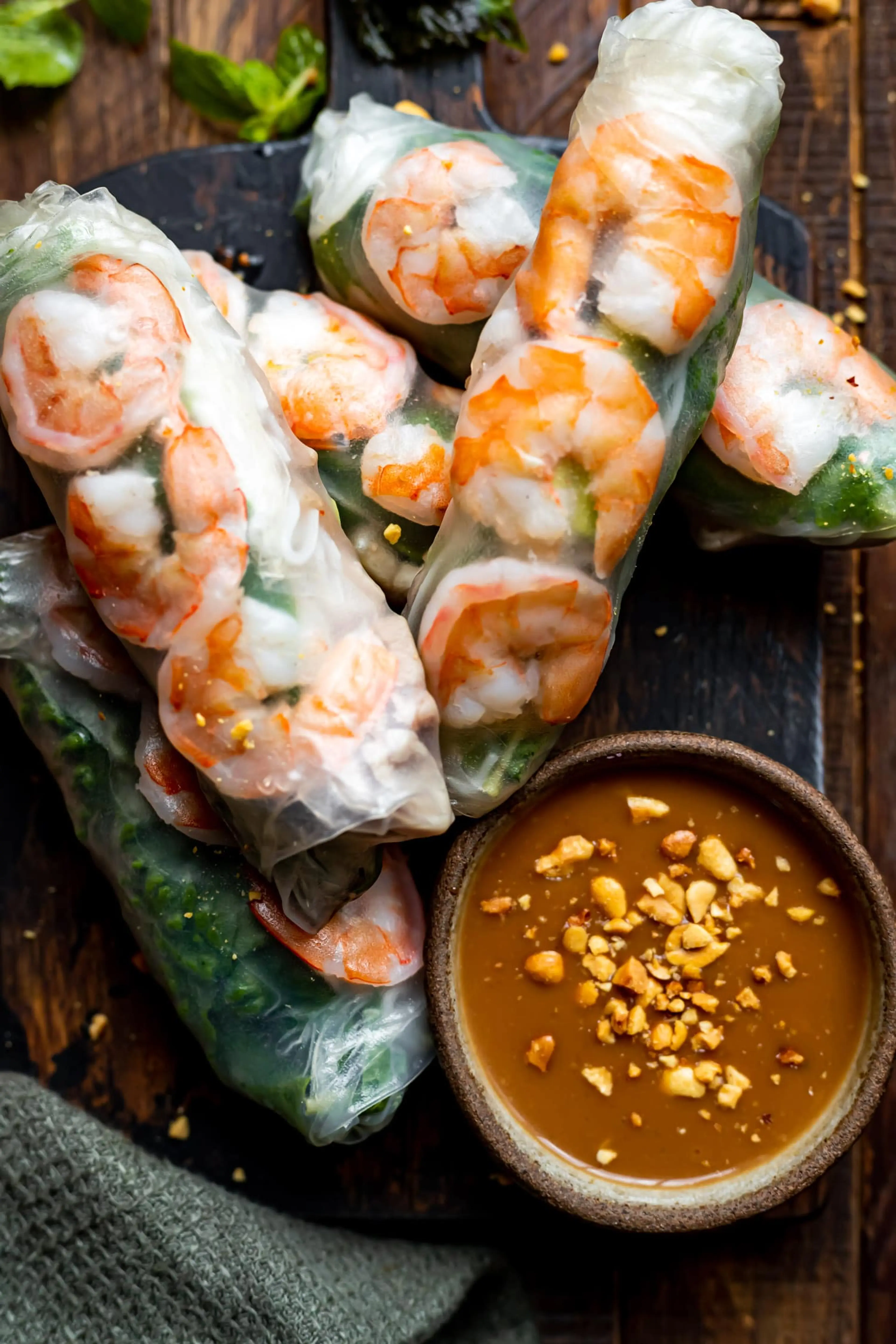
Tips for Achieving the Best Texture and Flavor
Here are some tips to help you achieve the best texture and flavor in your Goi Cuon:
- Don't over-soak the rice paper: Over-soaked rice paper will become sticky and difficult to work with. Dip it briefly in warm water until it's just pliable.
- Use fresh ingredients: Fresh herbs and vegetables are essential for the best flavor.
- Don't overfill the rolls: Overfilling the rolls will make them difficult to roll and may cause them to tear.
- Roll tightly: Rolling the rolls tightly will help them hold their shape and prevent them from falling apart.
- Serve immediately: Goi Cuon are best served fresh, as the rice paper can become tough if left out for too long.
By following these tips, you can create Goi Cuon that are both delicious and visually appealing.
Serving and Enjoying Goi Cuon
Goi Cuon are typically served as an appetizer or light meal, accompanied by a variety of dipping sauces. The dipping sauce is an integral part of the Goi Cuon experience, adding depth and complexity to the flavors.
Popular Dipping Sauces for Goi Cuon
Here are some popular dipping sauces for Goi Cuon:
- Peanut Sauce: A sweet and savory sauce made with peanut butter, hoisin sauce, soy sauce, and chili garlic sauce.
- Nuoc Cham: A classic Vietnamese dipping sauce made with fish sauce, lime juice, sugar, and chili.
- Hoisin Sauce: A thick, sweet, and savory sauce made from fermented soybeans, garlic, and spices.
- Sweet Chili Sauce: A sweet and spicy sauce made with red chilies, vinegar, sugar, and garlic.
Experiment with different dipping sauces to find your favorite pairing for Goi Cuon.
Pairing Goi Cuon with Other Vietnamese Dishes
Goi Cuon can be paired with a variety of other Vietnamese dishes to create a complete and satisfying meal.
- Pho: A classic Vietnamese noodle soup with beef or chicken broth, rice noodles, and herbs.
- Bun Cha: Grilled pork served with rice noodles, fresh herbs, and a dipping sauce.
- Banh Mi: A Vietnamese sandwich filled with various meats, pickled vegetables, and herbs.
- Summer Rolls: Another name for Goi Cuon, making them a perfect pairing with any Vietnamese dish.
These pairings offer a diverse range of flavors and textures, showcasing the best of Vietnamese cuisine.
Health Benefits of Eating Goi Cuon
Goi Cuon are not only delicious but also offer a range of health benefits. They are:
- Low in calories: Goi Cuon are a light and healthy option, with fewer calories than many other appetizers or entrees.
- Rich in nutrients: The fresh herbs and vegetables in Goi Cuon provide essential vitamins and minerals.
- High in fiber: The rice vermicelli noodles and vegetables contribute to a high fiber content, promoting digestive health.
- Gluten-free: Goi Cuon are naturally gluten-free, making them a suitable option for those with gluten sensitivities.
Incorporating Goi Cuon into your diet can be a delicious and healthy way to enjoy the flavors of Vietnam.
In conclusion, Goi Cuon, or Vietnamese fresh spring rolls, are a delightful and nutritious dish that can be enjoyed in many ways. From understanding their history and regional variations to mastering the art of making them at home and pairing them with complementary dishes, there's always something new to discover about this iconic Vietnamese cuisine. Whether you're looking for a light appetizer, a healthy snack, or a flavorful meal, Goi Cuon are a perfect choice. So, gather your ingredients, prepare your workspace, and embark on a culinary adventure to create your own perfect fresh spring rolls. Enjoy the process, savor the flavors, and share the experience with friends and family. Bon appétit!


Messenger

Back to top