
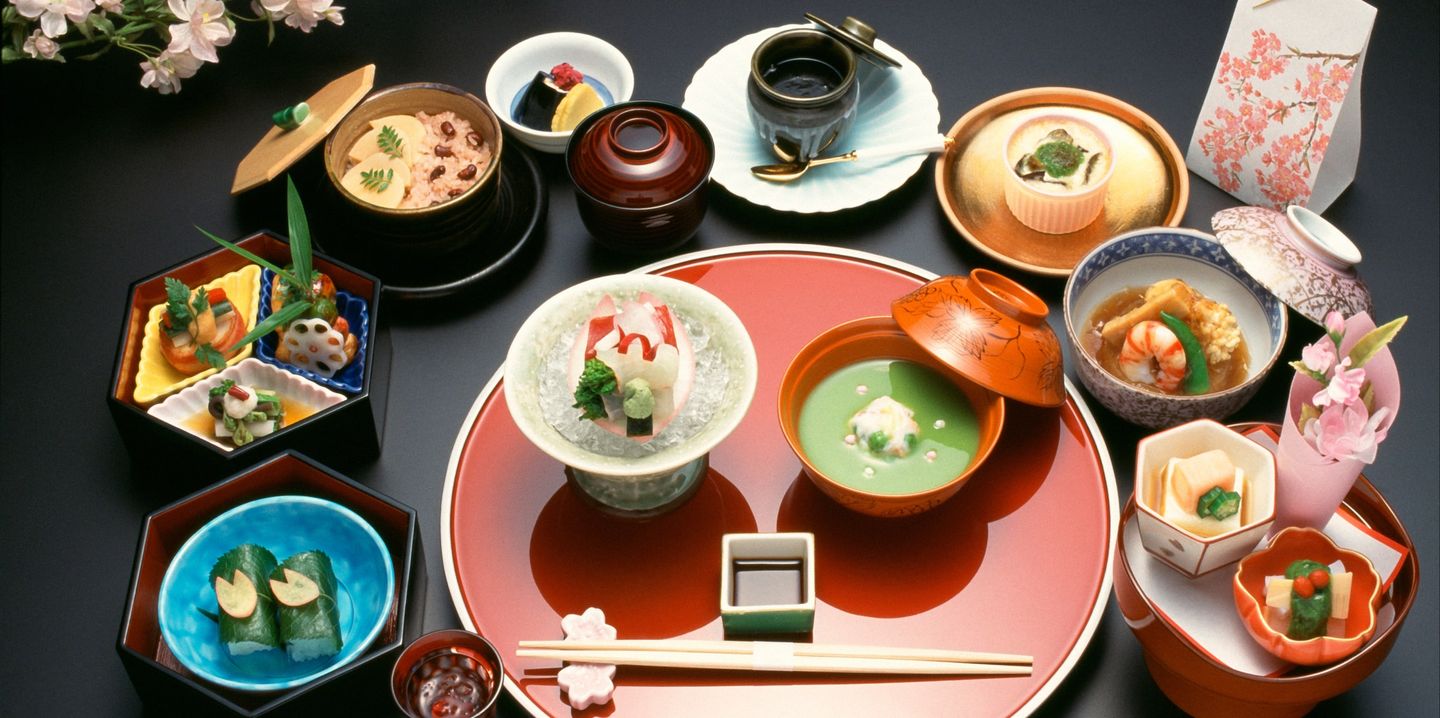
Washoku, traditional Japanese cuisine, is more than just a collection of recipes; it's a culinary philosophy deeply rooted in respect for nature, balance, and mindful preparation. This approach to cooking emphasizes the use of seasonal ingredients, minimal processing, and a harmonious blend of flavors and textures. Understanding the core principles of Washoku offers a gateway to appreciating not only the deliciousness of Japanese food but also its cultural significance and health benefits. From the meticulous selection of ingredients to the artful presentation of dishes, every aspect of Washoku reflects a commitment to creating a holistic and satisfying dining experience.
Understanding the Core Philosophies of Washoku
Washoku's foundation rests on several key principles that guide its preparation and consumption. These philosophies are not merely culinary guidelines but reflect a broader worldview that values harmony with nature and a deep appreciation for the ingredients themselves.
Harmony with Nature: The Concept of Shun
At the heart of Washoku lies the concept of shun (旬), which refers to the peak season for each ingredient. Embracing shun means using ingredients when they are at their most flavorful, nutritious, and abundant. This practice not only ensures the best possible taste but also promotes sustainability by encouraging the consumption of locally sourced, seasonal produce. The Japanese calendar is closely tied to the agricultural cycle, with specific dishes and ingredients associated with each season. For example:
- Spring: Bamboo shoots, strawberries, and sea bream
- Summer: Eggplant, tomatoes, and eel
- Autumn: Mushrooms, sweet potatoes, and salmon
- Winter: Root vegetables, citrus fruits, and crab
By honoring the seasonality of ingredients, Washoku celebrates the natural rhythms of the environment and fosters a deeper connection to the land. This commitment to using seasonal ingredients at their peak not only enhances flavor but also ensures optimal nutrition, as produce is most nutrient-rich when harvested in its natural season. By understanding and respecting the concept of shun, chefs and home cooks alike can create dishes that are both delicious and in harmony with the environment.
Minimal Processing: Preserving Natural Flavors
Another cornerstone of Washoku is the emphasis on minimal processing. The goal is to showcase the inherent flavors of the ingredients rather than masking them with heavy sauces or complex preparations. This approach requires a deep understanding of each ingredient's unique characteristics and how to best bring out its natural taste. Techniques such as grilling, steaming, and simmering are favored over frying or baking, as they preserve the integrity of the ingredients and allow their flavors to shine through. The use of high-quality, fresh ingredients is paramount, as they form the foundation of every dish.
Minimal processing also extends to the use of seasonings. While soy sauce, miso, and sake are essential components of Washoku, they are used sparingly to enhance rather than overpower the natural flavors of the ingredients. The focus is on creating a delicate balance of flavors that complement each other, resulting in a nuanced and satisfying culinary experience. By prioritizing minimal processing, Washoku promotes a greater appreciation for the natural world and the inherent goodness of simple, wholesome ingredients. This approach not only enhances the taste of the food but also contributes to its nutritional value, as fewer nutrients are lost during preparation. The emphasis on preserving natural flavors is a testament to the Japanese culinary philosophy of respecting and celebrating the gifts of nature.
Nutritional Balance: A Holistic Approach
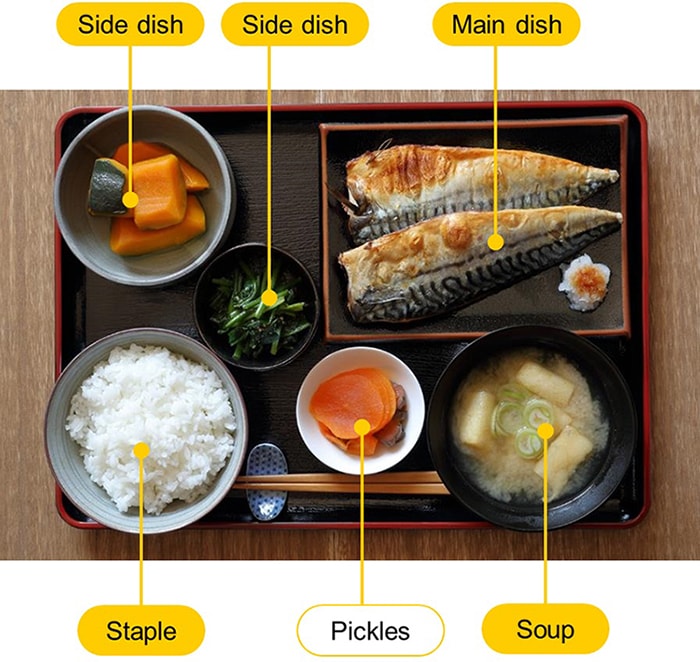
Washoku is not only delicious but also incredibly nutritious. Traditional Japanese meals are designed to provide a balanced intake of essential nutrients, including carbohydrates, proteins, fats, vitamins, and minerals. A typical Washoku meal consists of:
- Steamed rice: The staple carbohydrate source
- Soup: Often miso soup, providing hydration and probiotics
- Fish or meat: A source of protein
- Vegetables: A variety of seasonal vegetables, offering vitamins and minerals
- Pickled vegetables: Providing probiotics and aiding digestion
This combination of foods ensures a well-rounded and nourishing meal. Furthermore, Washoku emphasizes the use of a variety of ingredients, which helps to diversify nutrient intake and promote overall health. The emphasis on fresh, seasonal produce also ensures that meals are rich in vitamins, minerals, and antioxidants. The mindful approach to portion control, another key aspect of Washoku, helps to prevent overeating and maintain a healthy weight.
The emphasis on nutritional balance in Washoku reflects a holistic approach to health and well-being. By prioritizing whole, unprocessed foods and mindful eating habits, Washoku promotes not only physical health but also mental and emotional well-being. The traditional Japanese diet has been linked to numerous health benefits, including a reduced risk of heart disease, stroke, and certain types of cancer. This makes Washoku not only a delicious culinary tradition but also a valuable tool for promoting health and longevity.
The Five Colors and Five Tastes in Washoku
Washoku is characterized by its attention to both visual and gustatory harmony. The principles of the five colors and five tastes are fundamental to achieving this balance, ensuring that each dish is not only delicious but also a feast for the eyes.
Visual Harmony: The Role of Color
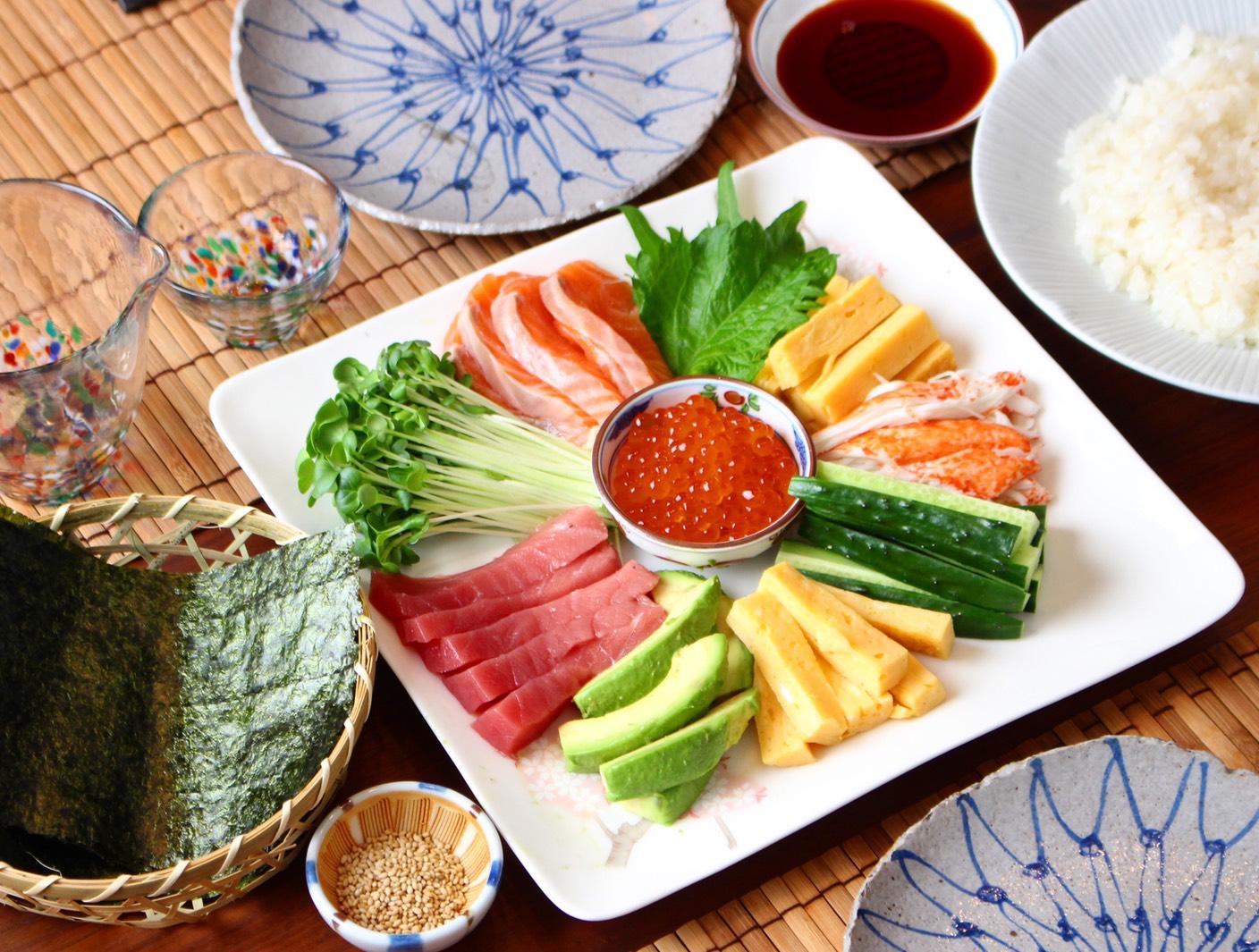
Presentation is a crucial aspect of Washoku. The arrangement of food on the plate is carefully considered to create a visually appealing and balanced composition. The principle of the five colors – red, white, black, yellow, and green – plays a significant role in achieving this visual harmony. Each color represents a different type of food and contributes to the overall aesthetic appeal of the dish. For example:
- Red: Represents meat, fish, or red vegetables like tomatoes
- White: Represents rice, tofu, or white vegetables like daikon radish
- Black: Represents seaweed, mushrooms, or black sesame seeds
- Yellow: Represents eggs, citrus fruits, or yellow vegetables like squash
- Green: Represents leafy greens, herbs, or green vegetables like edamame
By incorporating all five colors into a meal, chefs create a visually stimulating and balanced presentation that enhances the dining experience. The use of color is not merely aesthetic; it also reflects the nutritional diversity of the meal, as each color represents a different set of nutrients. The careful attention to visual harmony in Washoku demonstrates a deep appreciation for beauty and a commitment to creating a holistic and satisfying dining experience. The artful arrangement of food on the plate is a testament to the Japanese culinary philosophy of respecting and celebrating the natural beauty of the ingredients.
Umami: The Fifth Taste and Its Significance
Umami, often described as savory or meaty, is the fifth basic taste, in addition to sweet, sour, salty, and bitter. It plays a crucial role in Washoku, adding depth and complexity to dishes. Umami is primarily derived from glutamate, an amino acid found in many ingredients, including:
- Seaweed (especially kombu)
- Mushrooms (especially shiitake)
- Fermented products (such as soy sauce and miso)
- Fish and shellfish
- Tomatoes
These ingredients are often used to create dashi, a flavorful broth that forms the foundation of many Washoku dishes. Umami enhances the other four tastes, creating a more rounded and satisfying flavor profile. It also has the ability to stimulate the appetite and promote salivation, making food more enjoyable. The discovery and recognition of umami as a distinct taste have had a profound impact on Japanese cuisine, leading to a greater understanding of flavor and how to create more delicious and satisfying dishes.
The importance of umami in Washoku cannot be overstated. It is the key to unlocking the full potential of the ingredients and creating dishes that are both flavorful and nourishing. By understanding the science of umami and how to harness its power, chefs can create culinary masterpieces that delight the senses and promote well-being. The use of umami-rich ingredients is a testament to the Japanese culinary philosophy of seeking balance and harmony in every dish.
Achieving Balance: Combining Sweet, Sour, Salty, Bitter, and Umami
A hallmark of Washoku is the careful balancing of the five basic tastes: sweet, sour, salty, bitter, and umami. Each taste plays a crucial role in creating a well-rounded and satisfying flavor profile. The goal is not to emphasize any one taste but rather to create a harmonious blend that complements the other flavors. This requires a deep understanding of how different ingredients interact with each other and how to adjust seasonings to achieve the desired balance.
For example, a dish might combine the sweetness of mirin (sweet rice wine) with the saltiness of soy sauce, the sourness of vinegar, the bitterness of certain vegetables, and the umami of dashi. The proportions of each ingredient are carefully considered to create a flavor profile that is both complex and balanced. This attention to detail is what sets Washoku apart and makes it such a unique and satisfying culinary experience. Achieving balance in Washoku is not just about taste; it also reflects a broader philosophy of harmony and equilibrium. By carefully combining the five tastes, chefs create dishes that are not only delicious but also nourishing and beneficial to health. The art of balancing flavors is a testament to the Japanese culinary tradition of seeking perfection in every aspect of food preparation.
Washoku Techniques and Preparations
Washoku employs a variety of unique techniques and preparations that contribute to its distinctive flavors and textures. Mastering these techniques is essential for anyone seeking to truly understand and appreciate Japanese cuisine.
Dashi: The Foundation of Washoku Flavor
Dashi is a clear, flavorful broth that serves as the foundation for many Washoku dishes. It is typically made by simmering kombu (dried kelp) and katsuobushi (dried bonito flakes) in water. The resulting broth is rich in umami and provides a subtle yet essential flavor base for soups, sauces, and simmered dishes.
There are several variations of dashi, each with its own unique flavor profile:
- Kombu dashi: Made solely from kombu, it is a vegetarian option with a delicate, slightly sweet flavor.
- Katsuobushi dashi: Made solely from katsuobushi, it has a smoky, savory flavor.
- Awase dashi: Made from a combination of kombu and katsuobushi, it is the most common type of dashi and offers a balanced flavor profile.
- Shiitake dashi: Made from dried shiitake mushrooms, it is another vegetarian option with a rich, earthy flavor.
The quality of the dashi is crucial to the success of any Washoku dish. It should be clear, fragrant, and free of any bitterness or off-flavors. Making dashi requires patience and attention to detail, but the results are well worth the effort. Dashi is not just an ingredient; it is the heart and soul of Washoku, providing the essential flavor base that elevates simple ingredients to culinary masterpieces. The art of making dashi is a testament to the Japanese culinary tradition of seeking perfection in every aspect of food preparation.
Nimono: Simmered Dishes and Broths
Nimono refers to simmered dishes, a cooking technique that involves gently cooking ingredients in a flavorful broth until they are tender and infused with flavor. Nimono dishes are often made with root vegetables, such as carrots, potatoes, and daikon radish, as well as protein sources like tofu or chicken. The broth is typically made from dashi, soy sauce, mirin, and sake, and can be adjusted to suit the specific ingredients and desired flavor profile.
Nimono is a versatile cooking technique that can be used to create a wide variety of dishes, from simple vegetable stews to more complex braised meats. The key to successful nimono is to use high-quality ingredients and to simmer them gently over low heat, allowing the flavors to meld together and the ingredients to become tender without falling apart. Nimono dishes are often served warm or at room temperature and are a staple of Japanese home cooking. The gentle simmering process not only enhances the flavor of the ingredients but also preserves their nutritional value. Nimono is a testament to the Japanese culinary philosophy of respecting ingredients and using simple techniques to create delicious and nourishing meals. By mastering the art of nimono, cooks can create a wide range of comforting and flavorful dishes that showcase the best of Japanese cuisine.
Yakimono: Grilled and Pan-Fried Delights
Yakimono encompasses grilled and pan-fried dishes, a cooking technique that imparts a smoky, caramelized flavor to ingredients. Yakimono dishes are often made with fish, meat, or vegetables, and are typically seasoned with soy sauce, sake, or mirin. Grilling is a popular method for cooking fish and meat, as it allows the natural flavors to shine through while adding a delicious smoky char. Pan-frying is often used for vegetables and tofu, creating a crispy exterior and a tender interior.
The key to successful yakimono is to use high-quality ingredients and to cook them over high heat, ensuring that they are properly seared and caramelized. The seasonings should be applied sparingly, allowing the natural flavors of the ingredients to be the star of the dish. Yakimono dishes are often served with a simple garnish, such as grated daikon radish or a wedge of lemon, to add a touch of freshness and acidity. The technique of yakimono is a testament to the Japanese culinary tradition of using simple techniques to enhance the natural flavors of ingredients. By mastering the art of grilling and pan-frying, cooks can create a wide range of delicious and satisfying dishes that showcase the best of Japanese cuisine.
In conclusion, Washoku cooking principles offer a profound approach to food that extends beyond mere sustenance. By embracing harmony with nature, prioritizing minimal processing, and striving for nutritional balance, Washoku embodies a culinary philosophy that promotes both physical and mental well-being. The emphasis on the five colors and five tastes ensures that each dish is not only delicious but also visually appealing, creating a holistic and satisfying dining experience. From the foundational dashi to the artful techniques of nimono and yakimono, every aspect of Washoku reflects a deep respect for ingredients and a commitment to culinary excellence. Exploring the world of Washoku is an invitation to discover a cuisine that is as nourishing for the soul as it is for the body.


Messenger

Back to top