
Vietnam's culinary landscape is as diverse as its geography, with each region boasting unique flavors and techniques. Among the most distinctive and deeply rooted traditions is the art of fermenting seafood. This practice, passed down through generations, transforms simple ingredients into complex, umami-rich delicacies that are integral to Vietnamese cuisine. From the pungent fish sauces that season countless dishes to the flavorful pastes and whole fermented fish that form the centerpiece of meals, fermented seafood plays a vital role in the Vietnamese diet and culture. This article delves into the world of Vietnamese fermented seafood, exploring its significance, various types, and cultural importance.

The Art of Fermented Seafood: A Vietnamese Tradition
The Importance of Fermentation in Vietnamese Food Culture
Fermentation is more than just a food preservation method in Vietnam; it's a culinary art form. In a tropical climate where fresh ingredients can spoil quickly, fermentation has long been a practical way to extend the shelf life of seafood. However, its significance goes far beyond preservation. The fermentation process unlocks new flavors and textures, creating unique and complex tastes that are highly valued. This transformation is achieved through the action of beneficial bacteria, yeasts, and molds, which break down proteins and carbohydrates, producing a range of aromatic compounds and acids that contribute to the distinctive character of fermented foods.
The tradition of fermentation in Vietnam is deeply intertwined with the country's agricultural practices and resourcefulness. With a long coastline and extensive network of rivers and canals, seafood has always been a readily available resource. Fermentation allowed communities to make the most of this resource, ensuring that even during times of scarcity, there was a reliable source of protein and nutrients.
The Role of Fermented Seafood in Daily Meals
Fermented seafood products are ubiquitous in Vietnamese cuisine, appearing in various forms and preparations. Fish sauce, known as nước mắm, is perhaps the most well-known example, used as a seasoning, dipping sauce, and ingredient in countless dishes. Other fermented seafood products, such as mắm (fermented fish or shrimp paste), are used as condiments, main ingredients in soups and stews, or even eaten on their own with rice and vegetables. These fermented delicacies add depth and complexity to meals, providing a savory, umami-rich flavor that is highly prized.
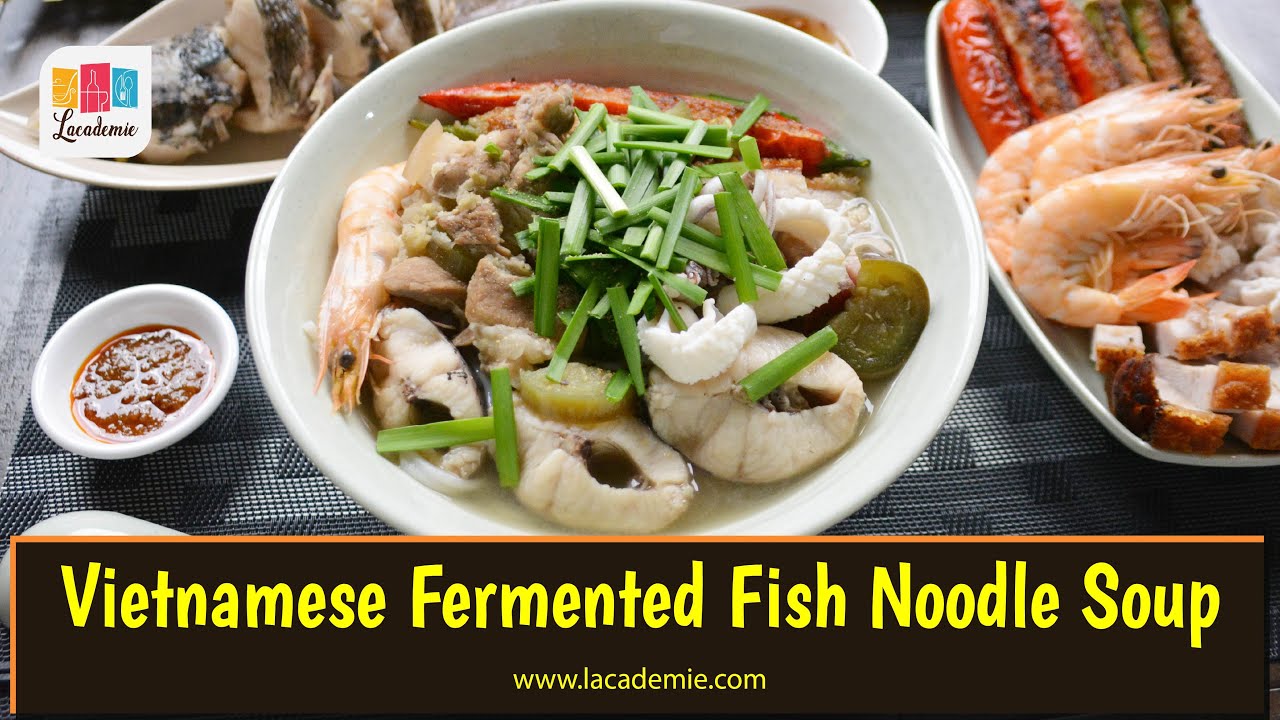
In many Vietnamese households, fermented seafood is a staple ingredient, readily available and used in daily cooking. It's not uncommon to find a jar of mắm nêm (fermented anchovy sauce) or mắm ruốc (fermented shrimp paste) on the table, ready to be added to rice, noodles, or vegetables. These fermented products are also used in more elaborate dishes, such as bún mắm (fermented fish noodle soup) and lẩu mắm (fermented fish hotpot), which are regional specialties that showcase the unique flavors of fermented seafood.
Sustainability and the Future of Fermented Seafood Production
As with any food production system, sustainability is a growing concern for the fermented seafood industry in Vietnam. Traditional fermentation practices are often small-scale and rely on locally sourced ingredients, which can contribute to the sustainability of the industry. However, as demand for fermented seafood products increases, there is a risk of overfishing and unsustainable production methods. To ensure the long-term viability of the industry, it's important to promote sustainable fishing practices, reduce waste, and explore alternative fermentation methods that minimize environmental impact.
The future of fermented seafood production in Vietnam may also involve incorporating modern technologies and scientific knowledge to improve the quality and safety of products. This could include using controlled fermentation processes, selecting specific strains of beneficial bacteria, and implementing rigorous quality control measures. By combining traditional knowledge with modern science, the Vietnamese fermented seafood industry can continue to thrive while preserving its cultural heritage and ensuring its sustainability.
A Guide to Different Types of Mắm
Mắm is a generic term for various types of fermented fish or seafood paste in Vietnamese cuisine. Each type of mắm has its unique flavor profile and uses, reflecting the diverse regional culinary traditions of Vietnam.
Mắm Nêm (Fermented Anchovy Sauce): A Central Vietnamese Specialty
Mắm nêm is a pungent and flavorful sauce made from fermented anchovies. It is a specialty of Central Vietnam, particularly the region around Da Nang and Hue. The anchovies are typically fermented for several months, allowing the fish to break down and develop its characteristic aroma and taste. Mắm nêm is often used as a dipping sauce for grilled meats, vegetables, and rice paper rolls. It can also be added to soups and stews to enhance their flavor.
The preparation of mắm nêm varies from region to region, but it typically involves grinding the fermented anchovies with pineapple, garlic, chili peppers, and sugar. The resulting sauce is a complex blend of sweet, sour, salty, and spicy flavors, with a distinctive fishy aroma. Mắm nêm is an acquired taste, but once you develop a liking for it, it can be an addictive condiment.
Mắm Ruốc (Fermented Shrimp Paste): A Hue Delicacy
Mắm ruốc, also known as mắm tép, is a fermented shrimp paste that is particularly popular in Hue, the former imperial capital of Vietnam. It is made from small shrimp, typically Acetes species, which are fermented with salt and rice powder. The fermentation process can take several weeks or months, resulting in a thick, brownish-purple paste with a strong, savory flavor.
Mắm ruốc is used in a variety of dishes, including soups, stews, and stir-fries. It is also a key ingredient in bún bò Huế, a spicy beef noodle soup that is a signature dish of Hue. The shrimp paste adds a deep, umami flavor to the soup, complementing the other ingredients. Mắm ruốc can also be eaten on its own with rice and vegetables, or used as a dipping sauce.
Chao (Fermented Bean Curd): A Vegetarian Alternative
While most types of mắm are made from seafood, chao is a vegetarian alternative made from fermented bean curd. It is a popular ingredient in Vietnamese cuisine, particularly among vegetarians and vegans. Chao is made by fermenting cubes of tofu in a mixture of rice wine, salt, and spices. The fermentation process can take several weeks or months, resulting in a soft, creamy texture and a pungent, savory flavor.
Chao is often used as a dipping sauce for vegetables, grilled meats, and noodles. It can also be added to soups and stews to enhance their flavor. In some regions of Vietnam, chao is also used as a spread for bread or crackers. It is a versatile ingredient that can add a unique flavor to a variety of dishes. For those seeking vegetarian options to traditional fermented seafood, chao presents a flavorful and culturally relevant choice.

Beyond the Taste: Health and Cultural Aspects
Probiotic Benefits of Fermented Foods
In recent years, there has been growing interest in the health benefits of fermented foods, including fermented seafood. Fermented foods are rich in probiotics, which are beneficial bacteria that can improve gut health. These bacteria can help to balance the gut microbiome, which is the community of microorganisms that live in the digestive tract. A healthy gut microbiome is essential for digestion, nutrient absorption, and immune function.
Studies have shown that consuming fermented foods can have a variety of health benefits, including improved digestion, reduced inflammation, and enhanced immune function. Some studies have also suggested that probiotics may help to prevent or treat certain diseases, such as irritable bowel syndrome (IBS), eczema, and allergies. While more research is needed to confirm these findings, the evidence suggests that incorporating fermented foods into your diet can be beneficial for your health. Exploring the probiotic properties of fermented foods reveals a compelling reason to appreciate these culinary traditions.
The Cultural Significance of Sharing Mắm
In Vietnamese culture, food is often seen as a way to connect with family and friends. Sharing a meal is an important social activity, and certain dishes are associated with specific occasions or celebrations. Fermented seafood, particularly mắm, plays a significant role in these social gatherings. It is often served as a communal dish, with everyone sharing from the same pot or bowl. This act of sharing reinforces social bonds and creates a sense of community.
The preparation and consumption of mắm are also steeped in tradition and symbolism. The process of fermenting seafood is often passed down through generations, with each family having its own unique recipe and techniques. The flavors and aromas of mắm evoke memories of home and family, creating a sense of nostalgia and belonging. Sharing mắm is not just about eating; it's about celebrating Vietnamese culture and heritage. The tradition of sharing mắm extends beyond mere sustenance, embodying cultural values and communal bonds.
Preserving Traditional Fermentation Practices
As Vietnam becomes more modernized, there is a risk that traditional fermentation practices will be lost. Younger generations may be less interested in learning the skills and techniques required to make mắm, and mass-produced products may replace homemade versions. To preserve this important culinary heritage, it's essential to promote traditional fermentation practices and educate younger generations about the cultural significance of fermented seafood.
This can be achieved through a variety of initiatives, such as cooking classes, cultural festivals, and educational programs. It's also important to support small-scale producers of fermented seafood, who are often the custodians of traditional knowledge. By promoting and preserving these practices, we can ensure that the art of fermenting seafood continues to thrive in Vietnam for generations to come. Supporting traditional fermentation practices is crucial for safeguarding Vietnam's culinary legacy and cultural identity.
The world of fermented seafood in Vietnam is a testament to the country's rich culinary heritage and resourcefulness. From the ubiquitous fish sauce to the diverse array of mắm, fermented seafood plays a vital role in the Vietnamese diet and culture. By understanding the significance of fermentation, exploring the different types of mắm, and appreciating the health and cultural aspects of these foods, we can gain a deeper appreciation for the culinary traditions of Vietnam. As we look to the future, it's important to support sustainable production methods and preserve traditional fermentation practices, ensuring that these unique and flavorful delicacies continue to be enjoyed for generations to come. The exploration of Vietnamese fermented delicacies offers insights into the nation's culinary ingenuity and cultural identity, highlighting the importance of preserving these traditions.


Messenger

Back to top