
Vietnamese food culture is a vibrant and multifaceted tapestry woven from centuries of history, regional diversity, and profound social values. From the bustling street food stalls of Hanoi to the elegant restaurants of Ho Chi Minh City, food in Vietnam is far more than mere sustenance; it’s a powerful expression of identity, a symbol of community, and a living testament to the country's rich heritage. This article delves into the historical influences that have shaped Vietnamese cuisine, explores the distinct regional variations, and examines the deep-rooted social and cultural significance of food in Vietnamese society.
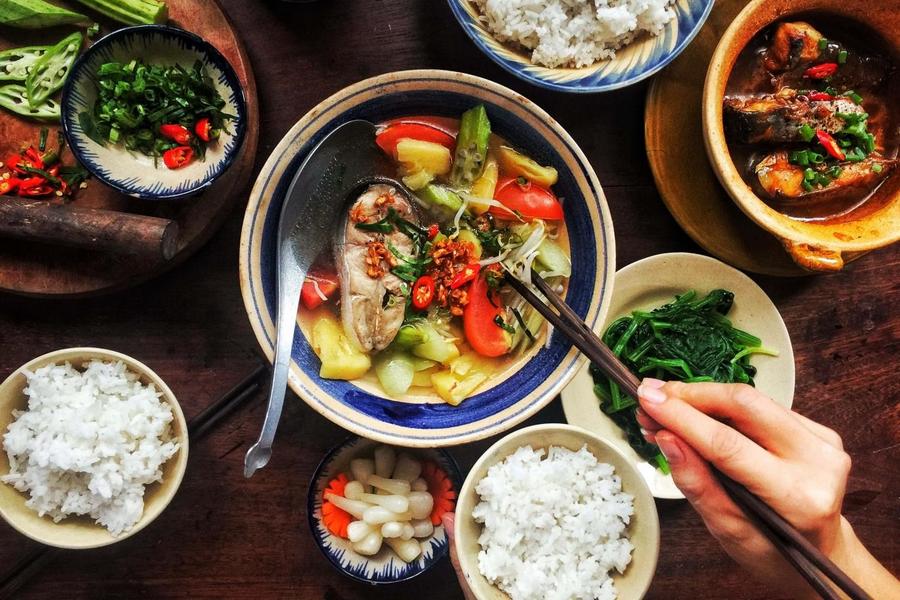
The Historical Influences on Vietnamese Cuisine
Vietnamese cuisine is a fascinating blend of indigenous traditions and foreign influences, each leaving an indelible mark on the dishes we know and love today. Understanding these historical layers is crucial to appreciating the depth and complexity of Vietnamese food culture.
Chinese Culinary Influences
For over a thousand years, Vietnam was under Chinese rule, and this period had a profound impact on its culinary landscape. The Chinese introduced several cooking techniques, ingredients, and dishes that have become integral to Vietnamese cuisine. Stir-frying, the use of chopsticks, and the incorporation of ingredients like soy sauce, tofu, and noodles are all legacies of Chinese influence. The iconic Vietnamese noodle soup, phở, is believed to have evolved from a similar Chinese noodle dish. Furthermore, the emphasis on balance and harmony in flavors, a cornerstone of Chinese culinary philosophy, is also reflected in Vietnamese cooking.
The Chinese influence extended beyond just ingredients and techniques. It also shaped the way food was perceived and consumed. The concept of medicinal cuisine, where certain foods are believed to have healing properties, is a direct import from Chinese culture. This belief system continues to influence Vietnamese food choices and preparation methods.
French Culinary Influences
In the mid-19th century, France colonized Vietnam, ushering in a new era of culinary exchange. The French introduced ingredients like baguettes, butter, cheese, and coffee, which have since been seamlessly integrated into Vietnamese cuisine. The bánh mì, a Vietnamese sandwich made with a baguette, pâté, and various fillings, is perhaps the most iconic example of this fusion. French culinary techniques, such as roasting and baking, also found their way into Vietnamese kitchens, adding new dimensions to traditional dishes.
The French also influenced the development of Vietnamese desserts. Crème caramel, known as “bánh flan” in Vietnamese, is a popular dessert that reflects the French colonial legacy. The use of coffee, particularly strong, dark-roasted coffee, is another enduring symbol of French influence, with Vietnamese coffee culture now thriving both domestically and internationally. The marriage of French and Vietnamese flavors created unique dishes.

Indigenous Cooking Traditions
While foreign influences have undoubtedly shaped Vietnamese cuisine, it’s important to recognize the enduring strength of indigenous cooking traditions. These traditions, passed down through generations, are rooted in the country's geography, climate, and agricultural practices. The use of fresh herbs, vegetables, and seafood, readily available in Vietnam's diverse ecosystems, is a hallmark of Vietnamese cooking. Rice, the staple grain, forms the foundation of countless dishes, from simple rice porridge to elaborate rice-based cakes and noodles.
Fermentation plays a crucial role in indigenous Vietnamese cuisine. Fish sauce (nước mắm), a fermented fish condiment, is an indispensable ingredient, adding a unique umami flavor to many dishes. Other fermented products, such as shrimp paste (mắm tôm) and pickled vegetables (dưa muối), are also widely used, reflecting the ingenuity of Vietnamese cooks in preserving food and enhancing flavors. Many of the dishes are made with traditional methods.
Regional Diversity in Vietnamese Food
Vietnam's diverse geography and climate have given rise to distinct regional variations in its cuisine. From the subtle flavors of the North to the bold and spicy dishes of the Central region and the sweet and vibrant tastes of the South, each region offers a unique culinary experience.
Northern Vietnamese Cuisine Characteristics
Northern Vietnamese cuisine, often considered the most traditional, is characterized by its subtle and refined flavors. The cooler climate of the North favors dishes that are light and delicate, with a focus on fresh herbs and vegetables. Hanoi, the capital city, is renowned for its iconic dishes such as phở, bún chả (grilled pork with vermicelli noodles), and cốm (young green rice flakes). These dishes showcase the Northern region's emphasis on balance and elegance in flavors.
The use of black pepper is more prevalent in Northern Vietnamese cuisine compared to other regions. Dishes are often seasoned with a touch of black pepper to add warmth and depth. The Northern region also tends to use less sugar and chili in its cooking, allowing the natural flavors of the ingredients to shine through. The Northern Vietnamese cuisine is more subtle and refined.
Central Vietnamese Cuisine Characteristics
Central Vietnamese cuisine, particularly that of the former imperial city of Hue, is known for its complexity, artistry, and fiery flavors. The region's history as a royal court has influenced its culinary traditions, with dishes often prepared with meticulous attention to detail and presented with elaborate garnishes. Central Vietnam is also known for its use of chili peppers, which add a distinctive heat to many dishes.
The city of Hue is famous for its bún bò Huế (spicy beef noodle soup), bánh bèo (steamed rice cakes), and cơm hến (rice with baby clams). These dishes showcase the Central region's bold and complex flavors, as well as its emphasis on visual presentation. Central Vietnamese cuisine often features smaller portions and a greater variety of dishes in a single meal, reflecting its royal heritage. The Central Vietnamese cuisine is known for its complexity.
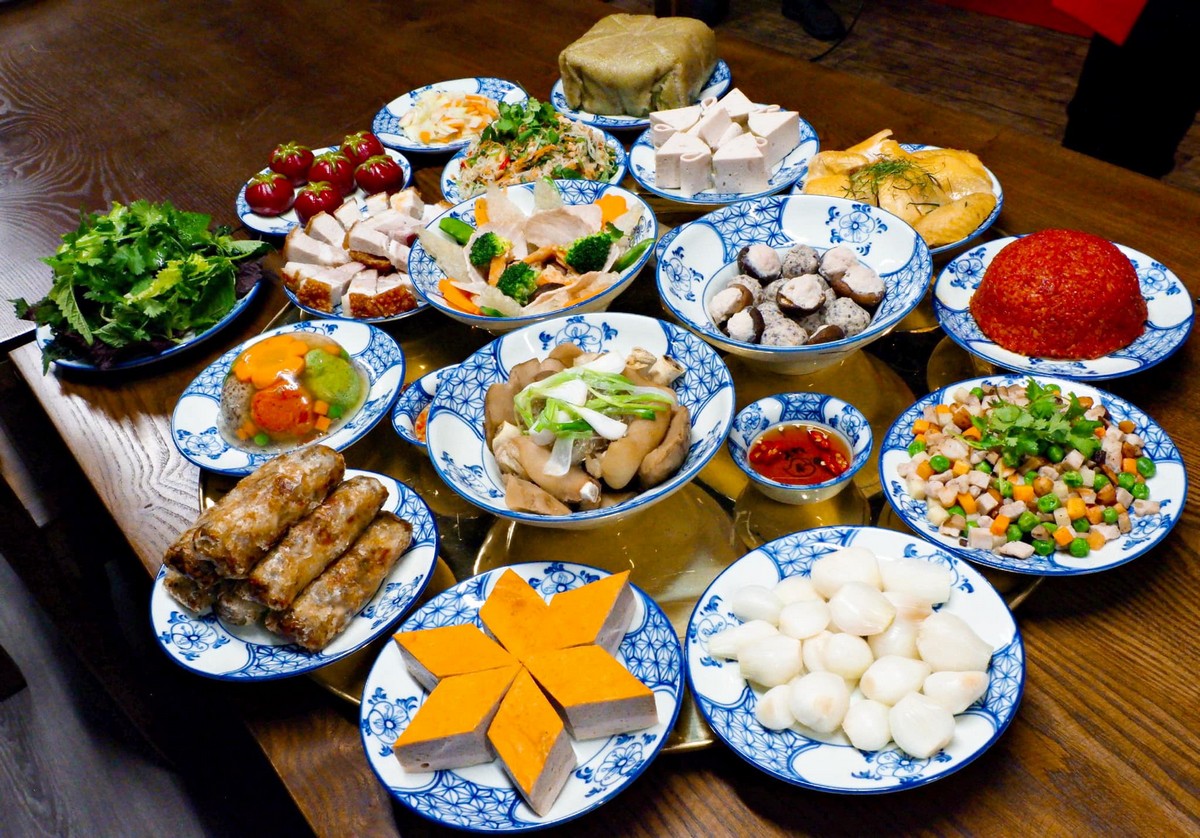
Southern Vietnamese Cuisine Characteristics
Southern Vietnamese cuisine is characterized by its sweetness, vibrancy, and generous use of fresh herbs and vegetables. The warm, tropical climate of the South allows for a wide variety of fruits, vegetables, and seafood to thrive, which are incorporated into many dishes. Ho Chi Minh City, the South's largest city, is a melting pot of culinary influences, with dishes reflecting the region's diverse cultural heritage.
Sugar is used more liberally in Southern Vietnamese cuisine compared to other regions, adding a touch of sweetness to many dishes. Coconut milk is also a common ingredient, adding richness and creaminess. The South is famous for its bánh xèo (crispy crepe), gỏi cuốn (fresh spring rolls), and cá kho tộ (caramelized fish in clay pot). These dishes showcase the Southern region's vibrant flavors and its emphasis on fresh, local ingredients. The Southern Vietnamese cuisine is known for its sweetness.
The Social and Cultural Significance of Food in Vietnam
In Vietnam, food is more than just sustenance; it is a central element of social life, a symbol of family and community, and an integral part of celebrations and rituals. Understanding the social and cultural significance of food in Vietnam provides a deeper appreciation for the country's rich heritage.
Food as a Symbol of Family and Community
In Vietnamese culture, meals are often seen as an opportunity for families to come together and strengthen their bonds. Family dinners are a cherished tradition, where multiple generations gather around the table to share food and stories. The act of preparing and sharing meals is considered an expression of love and care, reinforcing the importance of family unity. In Vietnamese families, sharing meals is a cherished tradition.
Food also plays a crucial role in building and maintaining community relationships. Sharing food with neighbors, friends, and colleagues is a common practice, fostering a sense of camaraderie and goodwill. Traditional Vietnamese markets are not just places to buy ingredients; they are also social hubs where people gather to chat, share recipes, and connect with their community. The street food culture in Vietnam further reinforces this sense of community, with vendors and customers interacting and sharing experiences over delicious and affordable meals.
The Art of Preparing and Sharing Meals
In Vietnamese culture, the preparation of food is often considered an art form, with cooks taking great pride in their skills and creativity. Traditional Vietnamese recipes are passed down through generations, preserving culinary heritage and ensuring the continuity of cultural traditions. The emphasis on fresh, high-quality ingredients and meticulous preparation methods reflects the deep respect for food and its role in nourishing both body and soul.
The act of sharing meals is equally important in Vietnamese culture. Serving food to others is seen as a gesture of hospitality and generosity. Guests are often showered with an abundance of dishes, reflecting the host's desire to provide a memorable and satisfying experience. The communal style of eating, where dishes are shared among everyone at the table, further reinforces the sense of togetherness and shared experience. Sharing meals reflects hospitality and generosity.
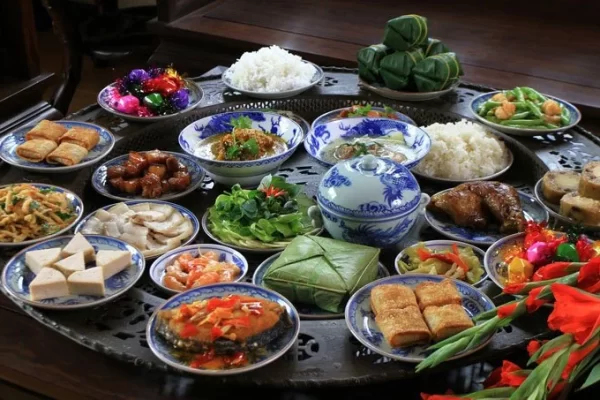
Food in Vietnamese Celebrations and Rituals
Food plays a central role in Vietnamese celebrations and rituals, marking important milestones in life and honoring ancestors. Tết, the Vietnamese Lunar New Year, is the most important festival of the year, and food takes center stage during this celebration. Traditional Tết dishes, such as bánh chưng (sticky rice cake), giò chả (Vietnamese sausage), and thịt kho tàu (braised pork with eggs), are prepared and shared with family and friends, symbolizing good luck, prosperity, and family unity.
Food is also an integral part of Vietnamese religious rituals. Offerings of food are made to ancestors and deities, expressing gratitude and seeking blessings. These offerings often include traditional dishes, fruits, and sweets, carefully arranged to honor the spirits. The act of preparing and offering food is seen as a way to connect with the past and ensure the well-being of future generations. Vietnamese festivals always involve traditional dishes.
In conclusion, Vietnamese food culture is a rich and complex tapestry woven from historical influences, regional diversity, and profound social values. From the subtle flavors of the North to the bold and spicy dishes of the Central region and the sweet and vibrant tastes of the South, Vietnamese cuisine offers a culinary adventure that engages all the senses. More than just sustenance, food in Vietnam is a symbol of family, community, and cultural identity, reflecting the country's rich heritage and enduring traditions. Appreciating the cultural significance of Vietnamese food provides a deeper understanding of the Vietnamese people and their way of life.


Messenger

Back to top