
Japanese cuisine is celebrated worldwide for its artistry, delicate flavors, and emphasis on fresh, seasonal ingredients. Among its diverse cooking methods, steaming, known as mushimono (蒸し物), holds a special place. This technique not only preserves the natural flavors and nutrients of the ingredients but also offers a light and healthy culinary experience. From savory egg custards to delicate seafood dishes, mushimono showcases the versatility and elegance of Japanese cooking. This article delves into the world of mushimono, exploring its history, health benefits, essential equipment, and some delectable recipes to try at home.
The Art of Mushimono: Steamed Japanese Cuisine
Mushimono, literally translated as “steamed things,” refers to a variety of Japanese dishes prepared by steaming. This method is highly valued in Japanese cuisine for its ability to retain the natural flavors, textures, and nutritional value of the ingredients. Unlike boiling or frying, steaming gently cooks the food, preventing it from becoming waterlogged or losing its essential nutrients. This results in dishes that are not only delicious but also incredibly healthy.
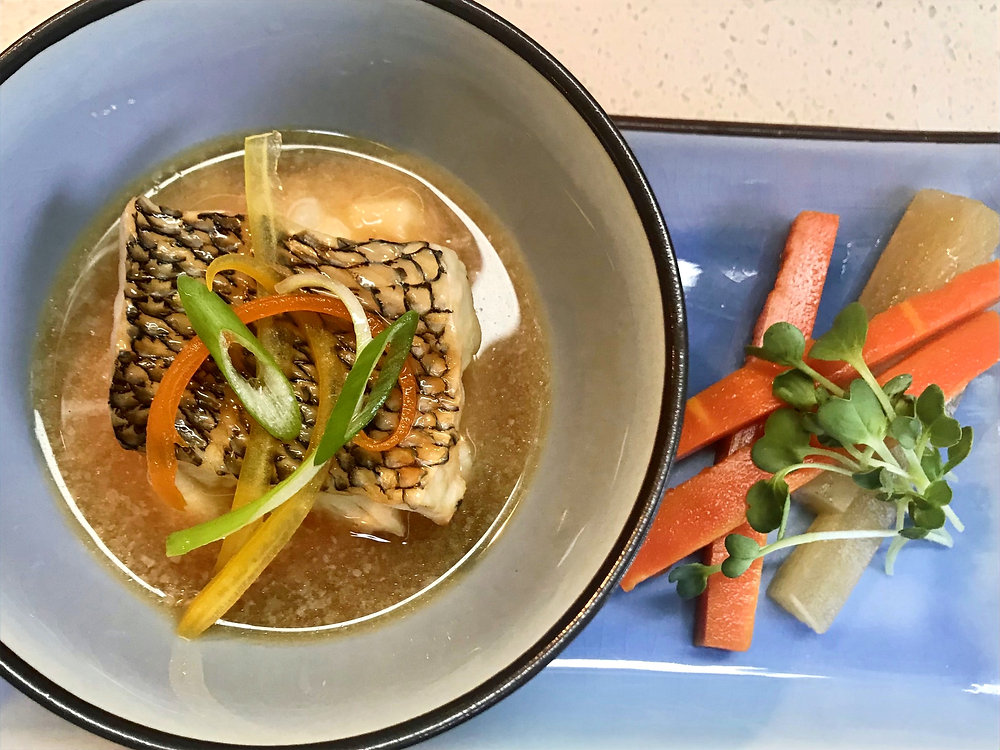
What is Mushimono?
Mushimono is a Japanese cooking technique that involves steaming food in a lidded container. This method is employed to cook a wide range of ingredients, including vegetables, seafood, meats, and eggs. The gentle cooking process ensures that the food remains moist and tender, while also preserving its natural flavors. Mushimono dishes are often served in the same container in which they were steamed, adding to the aesthetic appeal of the presentation. The steaming process typically involves placing the ingredients in a heat-resistant bowl or container, covering it with a lid, and then placing it in a steamer. The steam gently cooks the food, infusing it with moisture and flavor.
History and Cultural Significance
The history of steaming in Japanese cuisine dates back centuries. The technique was likely introduced from China, where steaming has been a prevalent cooking method for thousands of years. In Japan, steaming gradually became integrated into the culinary repertoire, particularly within Buddhist cuisine (Shojin Ryori), which emphasizes vegetarian dishes and gentle cooking methods. Over time, mushimono evolved into a refined culinary art form, with various regional specialties and innovative techniques emerging. The cultural significance of mushimono lies in its connection to health, simplicity, and respect for ingredients. The Japanese culinary philosophy often emphasizes the importance of preserving the natural flavors and nutrients of food, and steaming perfectly aligns with this principle. Mushimono dishes are often served during special occasions and celebrations, symbolizing purity, nourishment, and well-being.
Health Benefits of Steaming
Steaming is widely recognized as one of the healthiest cooking methods available. Unlike frying or boiling, steaming requires no added fats or oils, making it a naturally low-calorie option. Additionally, steaming helps retain essential vitamins and minerals that can be lost through other cooking methods. For example, water-soluble vitamins like vitamin C and B vitamins are easily leached out when boiling vegetables, but steaming minimizes this loss. Steaming also helps preserve the natural textures and colors of vegetables, making them more appealing and palatable. Furthermore, steamed foods are often easier to digest, making them a suitable choice for individuals with sensitive stomachs or digestive issues. The gentle cooking process breaks down fibers and softens textures, making the food more easily absorbed by the body. Here are some more key benefits:
- Preserves nutrients: Steaming retains more vitamins and minerals compared to boiling.
- Low in calories: No added fats or oils are needed.
- Enhances flavor: Natural flavors are intensified without being diluted.
- Easy digestion: Gentle cooking makes food easier to digest.
- Retains moisture: Food remains tender and juicy.
Essential Equipment and Ingredients for Mushimono
Creating authentic and delicious mushimono dishes requires a few essential pieces of equipment and a selection of high-quality ingredients. The type of steamer you use can significantly impact the flavor and texture of your dishes, while the quality of your ingredients will determine the overall taste and nutritional value of your culinary creations.
Types of Steamers: Bamboo, Metal, and Electric
There are several types of steamers commonly used in Japanese cooking, each with its own advantages and disadvantages:
- Bamboo Steamers: Traditional bamboo steamers are prized for their ability to impart a subtle, woody aroma to the food. They consist of a woven bamboo basket with a lid, which is placed over a pot of boiling water. Bamboo steamers are ideal for cooking small portions of food and are often used for dishes like dumplings and buns.
- Metal Steamers: Metal steamers, typically made of stainless steel, are durable, easy to clean, and provide even heat distribution. They often come with multiple tiers, allowing you to cook several dishes simultaneously. Metal steamers are suitable for a wide range of mushimono recipes, from vegetables to seafood.
- Electric Steamers: Electric steamers offer convenience and precise temperature control. They typically feature a water reservoir, a steaming basket, and a timer, making them easy to operate. Electric steamers are a great option for busy individuals who want to enjoy healthy, steamed meals without the hassle of monitoring the cooking process.
When selecting a steamer, consider the size, material, and features that best suit your cooking needs and preferences. Each type of steamer offers a unique culinary experience, so experiment to find the one that you enjoy the most.
Key Ingredients: Vegetables, Seafood, and Tofu
The foundation of any great mushimono dish lies in the quality and freshness of its ingredients. Japanese cuisine emphasizes seasonal ingredients, so choose vegetables, seafood, and other components that are at their peak flavor and nutritional value. Here are some ingredients that you can use:
- Vegetables: Root vegetables (carrots, daikon radish, turnips), leafy greens (spinach, bok choy), and seasonal vegetables are commonly used in mushimono.
- Seafood: Delicate seafood such as shrimp, scallops, sea bream, and crab are popular choices for steaming.
- Tofu: Silken or firm tofu can be steamed to create a variety of vegetarian and vegan mushimono dishes.
When selecting ingredients, look for vibrant colors, firm textures, and a fresh aroma. Organic and locally sourced ingredients are often preferred for their superior taste and nutritional value. Properly preparing your ingredients is also essential for achieving the best results. Wash vegetables thoroughly, trim any blemishes, and cut them into uniform sizes to ensure even cooking. Seafood should be fresh and properly cleaned, while tofu should be drained and pressed to remove excess moisture.
Flavor Enhancers: Dashi, Soy Sauce, and Ginger
While steaming preserves the natural flavors of ingredients, the addition of flavor enhancers can elevate mushimono dishes to new heights. Dashi, soy sauce, and ginger are essential condiments in Japanese cuisine and play a crucial role in enhancing the taste and aroma of steamed dishes.
- Dashi: Dashi is a traditional Japanese soup stock made from kombu (kelp) and katsuobushi (dried bonito flakes). It provides a subtle umami flavor that enhances the taste of vegetables, seafood, and tofu. Dashi can be used as a base for steaming liquid or as a flavoring agent to be drizzled over the finished dish.
- Soy Sauce: Soy sauce is a staple condiment in Japanese cuisine, adding depth and complexity to mushimono dishes. It is made from fermented soybeans, wheat, salt, and water, and comes in various types, each with its unique flavor profile. Light soy sauce (usukuchi shoyu) is often preferred for steaming, as it has a delicate flavor and does not darken the ingredients.
- Ginger: Ginger is a pungent spice that adds warmth and zest to mushimono dishes. It can be grated, sliced, or minced and added to the steaming liquid or sprinkled over the finished dish. Ginger not only enhances the flavor of the food but also offers numerous health benefits, including anti-inflammatory and antioxidant properties.
Experiment with different combinations of flavor enhancers to create your own signature mushimono dishes. A splash of sake, a drizzle of sesame oil, or a sprinkle of yuzu zest can also add unique flavor dimensions to your steamed creations. The art of flavoring mushimono lies in finding the perfect balance of sweet, salty, sour, and umami notes to complement the natural flavors of the ingredients.
Delicious Mushimono Recipes to Try at Home
Now that you have a solid understanding of the principles of mushimono, it's time to put your knowledge into practice with some delicious recipes. These recipes showcase the versatility of steaming and offer a range of flavors and textures to tantalize your taste buds.
Chawanmushi (Savory Egg Custard)
Chawanmushi is perhaps the most well-known of all mushimono dishes. This savory egg custard is a delicate and comforting dish that is often served as an appetizer or a light meal. The custard is typically flavored with dashi, soy sauce, and mirin, and can be customized with a variety of ingredients, such as shrimp, mushrooms, chicken, and ginkgo nuts.
Ingredients:
- 2 large eggs
- 1 cup dashi
- 1 tablespoon soy sauce
- 1 teaspoon mirin
- Optional ingredients: shrimp, shiitake mushrooms, chicken, ginkgo nuts
Instructions:


Steamed Vegetables with Miso Dip
This simple yet satisfying dish highlights the natural flavors and textures of seasonal vegetables. Steaming the vegetables preserves their nutrients and vibrant colors, while the miso dip adds a savory and umami-rich element.
Ingredients:
- Assorted seasonal vegetables (carrots, broccoli, asparagus, snap peas, etc.)
- 2 tablespoons miso paste
- 1 tablespoon mirin
- 1 tablespoon sake
- 1 teaspoon sugar
- 2 tablespoons dashi or water
Instructions:
Tai no Kaburamushi (Steamed Sea Bream with Turnip)
This elegant dish features delicate sea bream steamed with grated turnip and a flavorful dashi broth. The turnip adds a subtle sweetness and a creamy texture to the dish, while the sea bream remains moist and tender. This dish is often served during special occasions and celebrations.
Ingredients:
- 2 sea bream fillets, skin on
- 1 cup grated turnip
- 1 cup dashi
- 2 tablespoons soy sauce
- 1 tablespoon mirin
- 1 teaspoon grated ginger
- Optional garnish: chopped green onions, yuzu zest
Instructions:
Mushimono offers a delightful and healthy way to enjoy the flavors of Japanese cuisine. With its emphasis on fresh ingredients, gentle cooking techniques, and delicate flavors, mushimono is a culinary art form that is both nourishing and satisfying. Whether you're a seasoned chef or a novice cook, exploring the world of mushimono is sure to expand your culinary horizons and bring joy to your dining table. Don't be afraid to experiment with different ingredients and flavor combinations to create your own unique and delicious steamed Japanese dishes.


Messenger

Back to top