
Nimono, a cornerstone of Japanese cuisine, embodies the art of simmering ingredients in a flavorful broth until they absorb the essence of the liquid. This technique, deeply rooted in tradition, transforms simple ingredients into delicate and comforting dishes. From the vibrant hues of simmered pumpkin (kabocha no nimono) to the earthy notes of simmered bamboo shoots (takenoko no nimono), nimono offers a diverse range of flavors and textures that reflect the seasons and the culinary artistry of Japan. This article delves into the world of nimono, exploring its fundamental principles, popular variations, and the techniques required to master this essential Japanese cooking method.
Understanding the Fundamentals of Nimono
Nimono is more than just a cooking technique; it's a philosophy that emphasizes balance, harmony, and respect for ingredients. The goal is to gently coax out the natural flavors of the ingredients while infusing them with the subtle nuances of the simmering broth.
Key Ingredients in Nimono
The beauty of nimono lies in its versatility. A wide array of ingredients can be used, depending on the season and personal preference. Some common choices include:
- Root vegetables: Daikon radish, carrots, burdock root (gobo), lotus root (renkon), and taro (satoimo)
- Squash: Kabocha pumpkin
- Bamboo shoots (takenoko)
- Mushrooms: Shiitake, enoki, and maitake
- Protein: Chicken, pork, tofu, and fish cakes (kamaboko)
- Seaweed: Kombu and wakame

Essential Equipment for Nimono
While nimono doesn't require specialized equipment, having the right tools can enhance the cooking experience:
- A heavy-bottomed pot or saucepan: This ensures even heat distribution and prevents scorching.
- A drop lid (otoshibuta): This lid, smaller than the pot's diameter, sits directly on the ingredients, ensuring they are submerged in the broth and cook evenly. Parchment paper cut to size can also be used as a substitute.
- A sharp knife: Precise cutting is essential for uniform cooking and aesthetic appeal.
- A vegetable peeler: For preparing root vegetables and other ingredients.
The Art of Simmering: Techniques and Tips
The simmering process is crucial to achieving the desired flavor and texture in nimono. Here are some key techniques to keep in mind:
Exploring Popular Nimono Dishes
Nimono encompasses a wide range of dishes, each showcasing the unique flavors and textures of its ingredients.
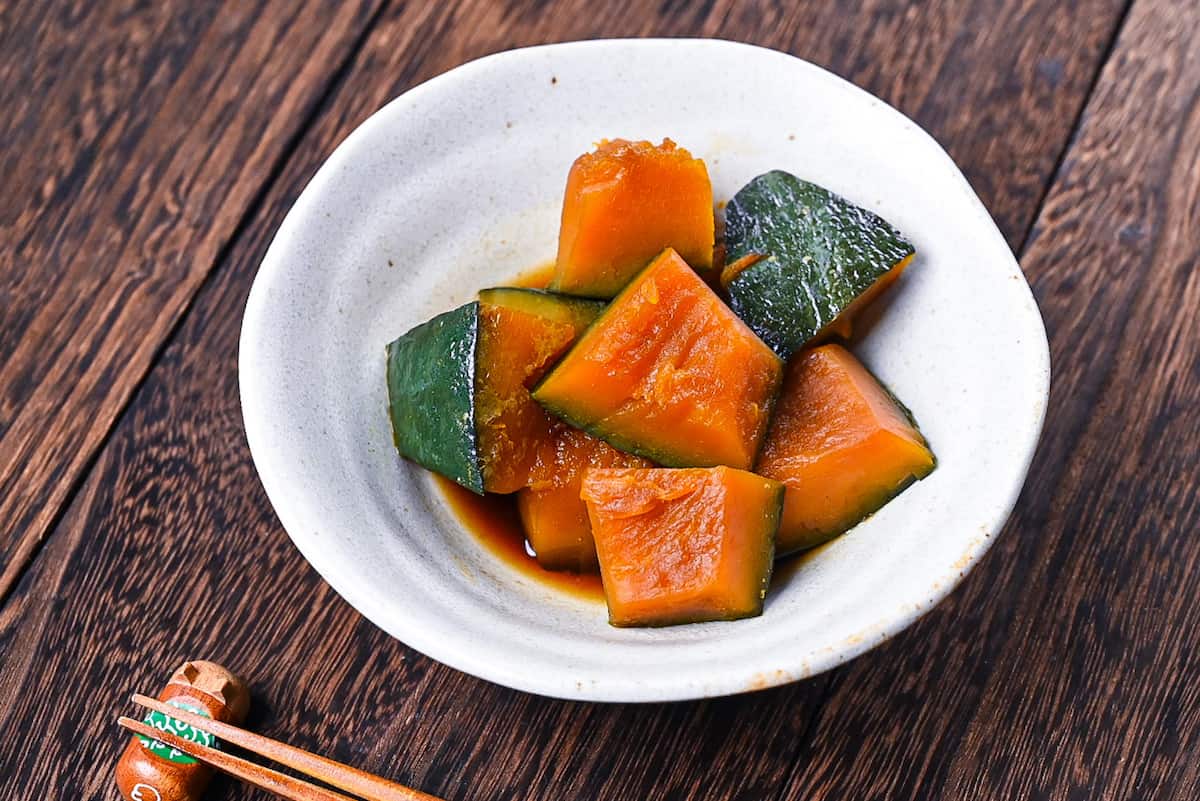
Kabocha no Nimono: Simmered Pumpkin
This vibrant dish features kabocha pumpkin, a Japanese squash known for its sweet and nutty flavor. The pumpkin is simmered in a dashi broth until tender and infused with the broth's savory notes. Kabocha no nimono is often served as a side dish or as part of a bento box.
Takenoko no Nimono: Simmered Bamboo Shoots
Takenoko no nimono highlights the delicate flavor and crisp texture of fresh bamboo shoots. The bamboo shoots are simmered in a light dashi broth with soy sauce and mirin, resulting in a refreshing and subtly sweet dish. This dish is often enjoyed in springtime when bamboo shoots are in season. Simmered bamboo shoots are a traditional spring delicacy.
Satoimo no Nimono: Simmered Taro
Satoimo no nimono features taro, a starchy root vegetable with a slightly sticky texture. The taro is simmered in a dashi broth until tender and infused with the broth's savory flavors. Satoimo no nimono is a comforting and hearty dish, perfect for colder months.
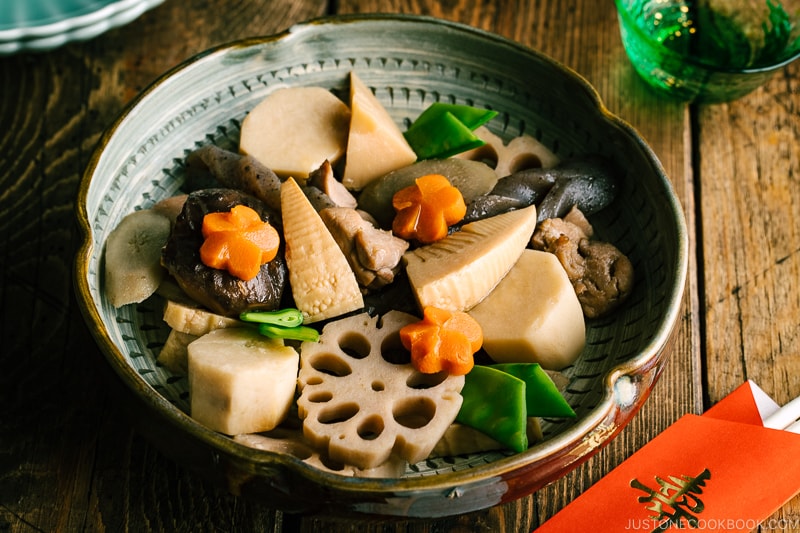
Chikuzenni: Simmered Chicken and Vegetables
Chikuzenni is a more complex nimono dish that includes chicken, root vegetables, and shiitake mushrooms. The ingredients are simmered in a rich dashi broth with soy sauce, mirin, and sake, creating a flavorful and satisfying stew. Chikuzenni is often served during celebratory occasions and is a staple in Japanese New Year's osechi ryori (traditional New Year's food).
Daikon no Nimono: Simmered Daikon Radish
Daikon no nimono showcases the versatility of daikon radish, a mild and slightly sweet root vegetable. The daikon is simmered in a dashi broth until tender and translucent, absorbing the broth's savory flavors. Daikon no nimono can be served as a side dish or as an ingredient in other dishes, such as oden (a Japanese hot pot dish).
Crafting the Perfect Nimono: A Step-by-Step Guide
Creating delicious nimono involves careful preparation, precise cooking, and a keen understanding of flavor balance.
Preparing the Ingredients
Proper preparation is essential for achieving the desired texture and flavor in nimono:
- Peel and cut vegetables into uniform sizes: This ensures even cooking.
- Soak root vegetables in water: This helps to remove excess starch and prevent discoloration.
- Blanch vegetables: Blanching helps to soften vegetables and enhance their color.
- Prepare protein: Cut chicken or pork into bite-sized pieces and marinate if desired.
Building the Dashi Broth
Dashi is the foundation of nimono, providing the essential umami flavor. You can use store-bought dashi or make your own from scratch using kombu (dried kelp) and katsuobushi (dried bonito flakes). A well-made dashi broth is crucial for authentic Japanese flavors.
The Simmering Process
Follow these steps for optimal simmering:
Achieving the Right Flavor Balance
Balancing the sweet, savory, and salty flavors is key to creating delicious nimono:
- Adjust the amount of soy sauce and mirin to achieve the desired sweetness and saltiness.
- Add a pinch of sugar or a splash of sake to enhance the sweetness.
- Use a light-colored soy sauce (usukuchi shoyu) to preserve the color of the ingredients.
Tips and Tricks for Mastering Nimono
Fine-tune your nimono skills with these helpful tips:
Adjusting Sweetness and Savory Notes
The balance between sweetness and savory flavors is crucial in nimono. Experiment with different ratios of soy sauce, mirin, and sugar to find your preferred taste. For a sweeter dish, add more mirin or sugar. For a more savory dish, increase the amount of soy sauce.
Ensuring Even Cooking
Uneven cooking can result in some ingredients being overcooked while others remain undercooked. To ensure even cooking, cut ingredients into uniform sizes and use a drop lid to keep them submerged in the broth.
Avoiding Overcooking
Overcooking can make vegetables mushy and protein tough. To avoid overcooking, check the ingredients regularly for tenderness and remove them from the pot when they are cooked through.
Presentation Matters: Plating Nimono
Presentation is an important aspect of Japanese cuisine. Arrange the ingredients artfully in a bowl, paying attention to color and texture. Garnish with fresh herbs, such as mitsuba or kinome, to add visual appeal. Consider using decorative cuts for vegetables to enhance the presentation. Japanese culinary traditions emphasize visual appeal.
Health Benefits and Nutritional Aspects of Nimono
Nimono offers numerous health benefits due to its nutrient-rich ingredients and low-fat cooking method.
Nutrient-Rich Ingredients
Nimono typically includes a variety of vegetables, which are rich in vitamins, minerals, and fiber. Root vegetables, such as daikon radish and carrots, are excellent sources of vitamin C and antioxidants. Seaweed, such as kombu and wakame, is rich in iodine and other essential minerals.
Low-Fat Cooking Method
Simmering is a low-fat cooking method that requires minimal oil. This makes nimono a healthy option for those watching their fat intake. The use of dashi broth instead of oil adds flavor without adding extra calories.
Digestibility and Gut Health
The gentle simmering process helps to break down the fibers in vegetables, making them easier to digest. The broth also contains beneficial enzymes that aid in digestion. Nimono can be a soothing and nourishing dish for those with sensitive stomachs.
Nimono Variations and Modern Adaptations
While rooted in tradition, nimono can be adapted to suit modern tastes and dietary preferences.
Vegetarian and Vegan Nimono Options
Nimono can easily be adapted for vegetarian and vegan diets by using vegetable dashi and plant-based protein sources, such as tofu and tempeh. Substitute shiitake mushrooms for meat to add umami flavor. Experiment with different vegetables and seasonings to create unique and flavorful vegetarian nimono dishes.
Regional Nimono Styles
Different regions of Japan have their own unique nimono styles, reflecting the local ingredients and culinary traditions. For example, in Kyoto, nimono is often made with delicate vegetables and subtle seasonings, while in the countryside, nimono may be heartier and more rustic. Exploring regional variations can broaden your understanding of nimono and Japanese cuisine.
Fusion Nimono: Blending Tradition with Innovation
Nimono can also be incorporated into fusion dishes, blending traditional Japanese techniques with global flavors. Experiment with using different types of broth, such as chicken broth or vegetable broth, and adding spices and herbs from other cuisines. Be creative and have fun exploring the possibilities of fusion nimono.
Conclusion: Embracing the Art of Nimono
Nimono, with its delicate flavors and nourishing qualities, is a testament to the artistry and philosophy of Japanese cuisine. By understanding the fundamental principles, exploring diverse variations, and mastering the techniques, you can unlock the secrets to creating delicious and authentic nimono dishes. Whether you're a seasoned cook or a novice in the kitchen, embracing the art of nimono will undoubtedly enrich your culinary repertoire and deepen your appreciation for Japanese food culture.


Messenger

Back to top