
Japan's hot spring culture, deeply rooted in history and tradition, offers a unique and rejuvenating experience. Known as onsen, these natural hot springs are more than just a place to bathe; they are a cornerstone of Japanese wellness and relaxation. From the therapeutic mineral compositions to the intricate etiquette surrounding their use, onsen provide a fascinating glimpse into Japanese culture. This guide explores the history, types, benefits, and top destinations for experiencing the best of Japan's onsen.
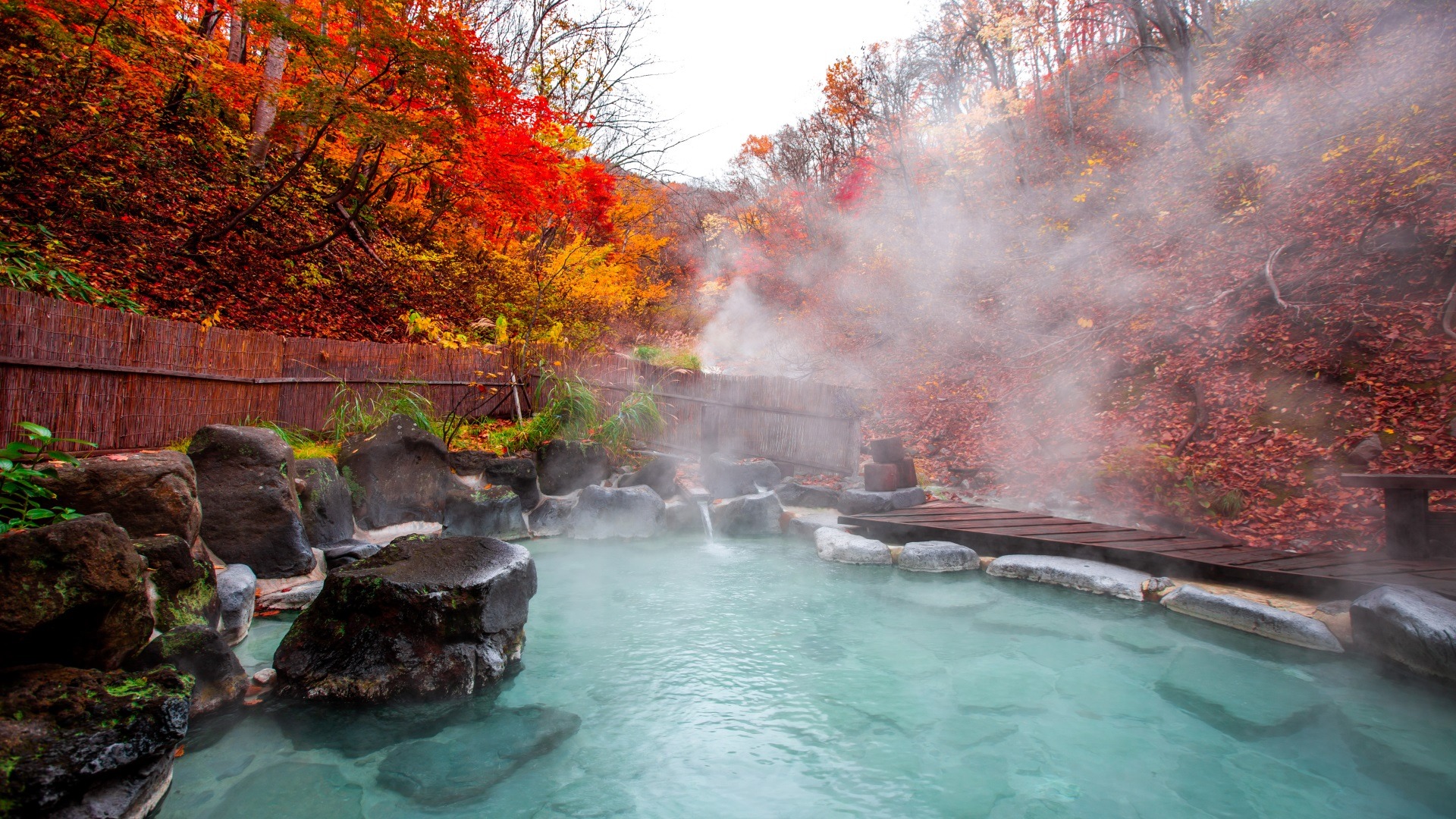
The Complete Guide To Onsen: Japan's Hot Spring Culture
History and Origins of Onsen
The history of onsen in Japan dates back to ancient times, with the earliest recorded use around the 8th century. Initially, onsen were primarily utilized for their medicinal properties by monks and warriors seeking healing and recovery. Over time, their popularity spread among the general population, evolving into communal bathing places and eventually becoming integral to Japanese social and cultural life. The geological activity of Japan, with its numerous volcanoes, has blessed the country with thousands of natural hot springs, each with its unique mineral composition and therapeutic benefits.
Types of Onsen
Onsen can be classified based on their mineral content, location, and facilities. Here are some common types:
- Mineral Composition: Different onsen contain varying minerals such as sulfur, iron, sodium chloride, and hydrogen carbonate, each offering unique health benefits.
- Location: Onsen can be found indoors (uchiyu) or outdoors (rotenburo), with outdoor onsen often providing scenic views of nature.
- Facilities: Some onsen are part of traditional Japanese inns (ryokan), while others are standalone public baths.
Onsen Etiquette and Customs
Understanding and adhering to onsen etiquette is crucial for a respectful and enjoyable experience. Here are some essential customs:
- Nudity: Onsen bathing is typically done nude. Separate bathing areas are provided for men and women.
- Hygiene: Before entering the bath, thoroughly wash and rinse your body at the washing stations provided.
- Towels: Use a small towel for modesty and wiping off before and after bathing. Avoid placing the towel in the water.
- Silence: Maintain a quiet and respectful atmosphere. Loud talking and splashing are generally discouraged.
- Tattoos: Many onsen traditionally prohibit tattoos, although this is changing. Check with the facility beforehand or consider using concealing stickers.
Benefits of Onsen
Physical Health Benefits
The mineral-rich waters of onsen offer numerous physical health benefits. The specific benefits vary depending on the mineral composition of the water:
- Sulfur Onsen: Beneficial for skin conditions like eczema and psoriasis, as well as respiratory problems.
- Iron Onsen: Helps with anemia and improves circulation.
- Sodium Chloride Onsen: Soothes muscle pain and joint stiffness.
- Hydrogen Carbonate Onsen: Softens the skin and improves blood circulation.
The heat of the water also promotes relaxation, reduces muscle tension, and improves blood flow. Regular onsen bathing can alleviate chronic pain, arthritis, and fatigue.
Mental Health Benefits
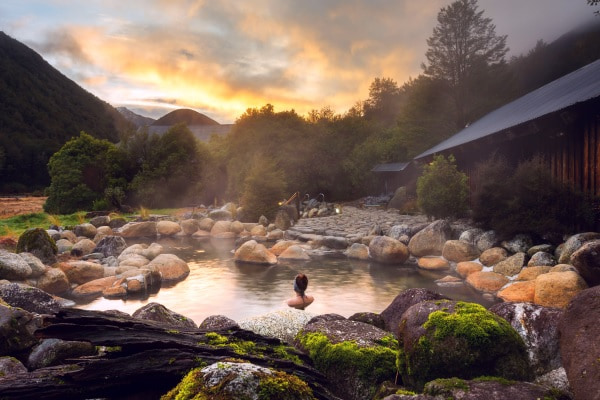
Beyond the physical advantages, onsen provide significant mental health benefits. The serene environment and the act of immersing oneself in warm, mineral-rich water can reduce stress and promote relaxation. The quiet atmosphere allows for introspection and mental clarity. Studies have shown that onsen bathing can lower cortisol levels, the hormone associated with stress, and increase endorphins, which have mood-boosting effects. The combination of physical relaxation and mental tranquility makes onsen a powerful tool for stress management and mental well-being. Experiencing the therapeutic effects of hot springs is a wonderful way to take care of your mind and body.
Social and Cultural Benefits
Onsen play a vital role in Japanese social and cultural life. Traditionally, they served as communal gathering places where people could socialize and connect with their community. While the social aspect may have evolved, onsen still provide a space for relaxation and bonding. Families, friends, and colleagues often visit onsen together, strengthening their relationships and creating shared memories. Furthermore, onsen are deeply intertwined with Japanese hospitality and tourism. Many traditional Japanese inns (ryokan) feature onsen, offering guests an immersive cultural experience. The act of bathing in an onsen is not just about personal relaxation; it is also about participating in a time-honored tradition that reflects the values of community, respect, and harmony.
Top Onsen Destinations In Japan
Popular Onsen Towns and Resorts
Japan is home to numerous onsen towns and resorts, each offering a unique experience. Here are some of the most popular destinations:
- Hakone: Located near Mount Fuji, Hakone offers stunning views and a variety of onsen, museums, and natural attractions.
- Kusatsu: Known for its highly acidic waters, Kusatsu is one of Japan's most famous onsen towns, renowned for its therapeutic properties.
- Beppu: Located in Kyushu, Beppu is famous for its "hells" (jigoku), which are visually stunning hot springs not suitable for bathing but perfect for sightseeing.
- Yufuin: A charming town with a relaxed atmosphere, Yufuin offers picturesque landscapes and a variety of onsen and art galleries.
- Noboribetsu: This town in Hokkaido is known for its diverse range of hot springs, including sulfur, iron, and radium springs.
Unique Onsen Experiences
For those seeking unique and memorable onsen experiences, Japan offers a variety of options:
- Sand Baths (Sunamushi): In Ibusuki, Kagoshima, you can be buried in naturally heated sand for a unique and therapeutic experience.
- Cave Onsen: Some onsen are located inside caves, providing a secluded and mysterious bathing experience.
- Mixed-Gender Onsen (Konyoku): While becoming less common, some onsen still offer mixed-gender bathing, allowing couples and families to enjoy the experience together.
- Rooftop Onsen: Many hotels and ryokan feature rooftop onsen with panoramic views of the city or natural landscapes.
Consider exploring a unique onsen experience to enrich your trip.
Tips for Planning Your Onsen Trip
Planning an onsen trip requires some preparation to ensure a smooth and enjoyable experience. Here are some tips:
- Research: Investigate different onsen towns and resorts to find one that suits your preferences and needs.
- Booking: Book your accommodation and onsen visits in advance, especially during peak seasons.
- Packing: Pack light clothing, a swimsuit (if required), and personal toiletries. Most onsen provide towels and basic amenities.
- Transportation: Plan your transportation to and from the onsen town or resort, considering options such as trains, buses, or rental cars.
- Respect: Familiarize yourself with onsen etiquette and customs to ensure a respectful and enjoyable experience for yourself and others.
By following these tips, you can create a memorable and rejuvenating onsen getaway.
Conclusion
Onsen are an integral part of Japanese culture, offering a unique blend of relaxation, health benefits, and social interaction. Whether you seek therapeutic relief, mental rejuvenation, or a cultural experience, onsen provide a gateway to understanding and appreciating Japan's rich traditions. From the ancient origins to the modern-day practices, onsen continue to captivate and inspire, making them a must-visit destination for anyone exploring Japan. So, immerse yourself in the warm, mineral-rich waters and discover the alluring world of onsen.


Messenger

Back to top