
Hanoi, the vibrant capital of Vietnam, is renowned for its rich history, bustling streets, and diverse culinary scene. Among the many gastronomic experiences the city offers, the Japanese dining district stands out as a unique and authentic culinary destination. This article will guide you through the best Japanese dining areas in Hanoi, highlighting must-try dishes and providing a glimpse into the historical influences that have shaped this thriving food culture. Whether you're a seasoned foodie or a curious traveler, prepare to embark on a delectable journey through Hanoi's Japanese culinary landscape.
A Guide To Japanese Dining District In Hanoi
Discovering The Authentic Japanese Culinary Scene In Hanoi
Hanoi's Japanese dining scene is a testament to the city's openness to global flavors and its ability to blend them seamlessly with local traditions. The authentic Japanese culinary scene in Hanoi offers a wide array of dining experiences, from high-end sushi restaurants to cozy izakayas, each providing a unique taste of Japan.
Why Hanoi Has Become A Hub For Japanese Cuisine
Several factors have contributed to Hanoi's emergence as a hub for Japanese cuisine. The increasing number of Japanese expatriates and tourists has created a demand for authentic Japanese food. Additionally, the Vietnamese appreciation for fresh ingredients and meticulous preparation aligns well with Japanese culinary principles. The growing popularity of Japanese culture, including anime, manga, and J-pop, has also fueled interest in Japanese food. As a result, Hanoi boasts a diverse and thriving Japanese dining scene that caters to both locals and visitors.
Brief History Of Japanese Influence In Hanoi's Food Culture
The influence of Japanese cuisine in Hanoi is relatively recent, primarily emerging in the late 20th and early 21st centuries. As Vietnam opened its doors to foreign investment and tourism, Japanese businesses and expatriates began to arrive, bringing with them their culinary traditions. The early Japanese restaurants in Hanoi were often aimed at serving this expatriate community, focusing on authenticity and familiar flavors.
Over time, as the local population became more exposed to Japanese culture, the demand for Japanese food grew. This led to the opening of more Japanese restaurants catering to a broader audience, with some establishments adapting their menus to incorporate local ingredients and tastes. Today, the Japanese influence is evident not only in specialized restaurants but also in the broader culinary landscape of Hanoi, with many Vietnamese eateries incorporating Japanese techniques and flavors into their dishes.
Top Japanese Dining Areas In Hanoi
Hanoi is home to several distinct areas known for their concentration of Japanese restaurants and eateries. Each of these areas offers a unique atmosphere and a variety of dining options, making them essential destinations for anyone looking to explore Hanoi's Japanese culinary scene.
Exploring Kim Mã: A Popular Japanese Food Street
Kim Mã Street is perhaps the most well-known popular Japanese food street in Hanoi. This bustling street is lined with numerous Japanese restaurants, izakayas, and sushi bars, offering a wide range of dining options.
Kim Mã's popularity stems from its central location and the variety of establishments catering to different tastes and budgets. From high-end restaurants serving authentic Kaiseki cuisine to more casual eateries offering affordable ramen and donburi, Kim Mã has something for everyone. The street is particularly lively in the evenings, with many establishments staying open late to cater to the after-work crowd.
Đào Tấn Street: Home To Hidden Japanese Gems
Đào Tấn Street offers a more intimate and less crowded dining experience compared to Kim Mã. This street is known for its hidden Japanese gems, smaller, family-run restaurants that offer authentic and home-style Japanese cuisine.
Đào Tấn is a great place to discover unique dishes and regional specialties that are not commonly found in larger restaurants. Many of the establishments on this street are run by Japanese expatriates who take pride in serving traditional recipes passed down through generations. The atmosphere is generally more relaxed and personal, making it an ideal destination for those seeking a more authentic and immersive dining experience.
Linh Lang Area: Authentic Japanese Restaurants And Izakayas
The Linh Lang area is another popular destination for Japanese cuisine in Hanoi, known for its high concentration of authentic Japanese restaurants and izakayas. This area is particularly popular among Japanese expatriates, which helps maintain the authenticity and quality of the food.
Linh Lang offers a diverse range of dining options, from upscale restaurants serving premium sushi and sashimi to more casual izakayas offering a variety of grilled skewers, small plates, and Japanese pub food. The area is also home to several Japanese supermarkets and specialty stores, making it a hub for all things Japanese in Hanoi. Whether you're looking for a formal dining experience or a casual night out with friends, Linh Lang has something to offer.
Must-Try Japanese Dishes In Hanoi’s Japanese Dining District
No visit to Hanoi's Japanese dining district would be complete without sampling some of the must-try dishes that define Japanese cuisine. From fresh seafood to comforting noodle soups and savory grilled skewers, here are some of the culinary delights that await you.
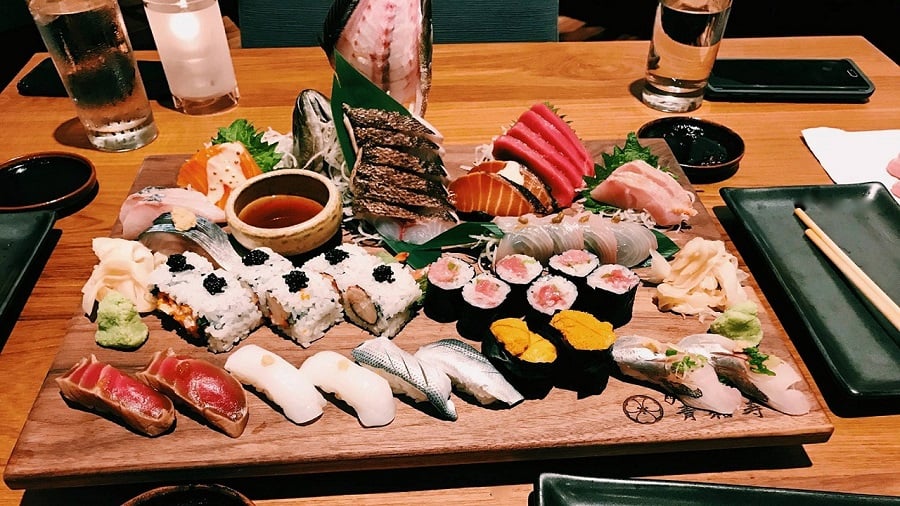
Sushi And Sashimi: Fresh Seafood Delights
Sushi and sashimi are staples of Japanese cuisine, and Hanoi's Japanese dining district offers some of the freshest and most expertly prepared versions of these dishes. The key to great sushi and sashimi is the quality of the seafood, and many restaurants in Hanoi go to great lengths to source the best ingredients from both local and international markets.
When ordering sushi and sashimi, be sure to try a variety of different fish, including tuna, salmon, yellowtail, and sea bream. Also, consider trying some of the more unique and seasonal offerings, such as uni (sea urchin) or ikura (salmon roe). For the ultimate sushi experience, consider visiting an omakase restaurant, where the chef will create a personalized tasting menu based on the freshest ingredients available.

Ramen And Udon: Noodle Soup Experiences
Ramen and udon are two of Japan's most popular noodle soup dishes, and they are widely available in Hanoi's Japanese dining district. Ramen is a wheat noodle soup that typically consists of a rich broth, various toppings such as sliced pork, bamboo shoots, and seaweed, and a soft-boiled egg. Udon, on the other hand, is a thicker wheat noodle soup that is often served in a simpler broth with toppings such as tempura or fried tofu.
When trying ramen in Hanoi, be sure to explore the different regional variations, such as tonkotsu (pork bone broth) ramen from Kyushu or miso ramen from Hokkaido. For udon, try the classic kake udon (plain udon in broth) or kitsune udon (udon with fried tofu). Both ramen and udon are hearty and satisfying meals that are perfect for a cold day or a quick lunch.
Yakitori And Izakaya Fare: Grilled Skewers And Japanese Pub Food
Yakitori and izakaya fare represent the more casual and convivial side of Japanese cuisine. Yakitori consists of grilled skewers of chicken, vegetables, or seafood, seasoned with various sauces and spices. Izakayas are Japanese-style pubs that serve a variety of small plates, similar to Spanish tapas, along with beer, sake, and other alcoholic beverages.
In Hanoi's Japanese dining district, yakitori and izakayas are popular destinations for after-work gatherings and casual dinners. Some popular yakitori items to try include chicken thigh, chicken skin, and chicken meatballs. As for izakaya fare, be sure to sample dishes such as edamame, karaage (fried chicken), and takoyaki (octopus balls). These dishes are meant to be shared and enjoyed with friends over drinks, creating a lively and enjoyable dining experience.
Exploring the authentic Japanese cuisine in Hanoi offers a delightful and immersive experience. From the bustling streets of Kim Mã to the hidden gems of Đào Tấn and the vibrant izakayas of Linh Lang, there's something for every palate and preference. Whether you're savoring fresh sushi, slurping comforting ramen, or enjoying grilled yakitori with friends, Hanoi's Japanese dining district promises a culinary adventure that will leave you wanting more. So, venture out and discover the rich and diverse flavors of Japan in the heart of Vietnam.
The rising popularity of the Japanese culinary scene also reflects broader economic and cultural trends. As Vietnam continues to integrate into the global economy, exposure to international cuisines becomes more common and desirable. This trend is further amplified by social media and online food platforms, which showcase diverse culinary offerings and inspire people to explore new tastes. The Japanese dining district in Hanoi, therefore, stands as a vibrant symbol of cultural exchange and culinary innovation in a rapidly evolving city.
In che best sushi in Hanoi and other Japanese dishes are not just about the food; it's about the experience. It's about immersing oneself in a different culture, appreciating the meticulous preparation and presentation, and enjoying the company of friends and family. As Hanoi continues to embrace and celebrate its diverse culinary influences, the Japanese dining district will undoubtedly remain a cherished and integral part of the city's gastronomic landscape. Whether you're a local resident or a tourist, exploring Hanoi's Japanese culinary scene is a must-do activity that promises to delight your senses and broaden your culinary horizons.


Messenger

Back to top