
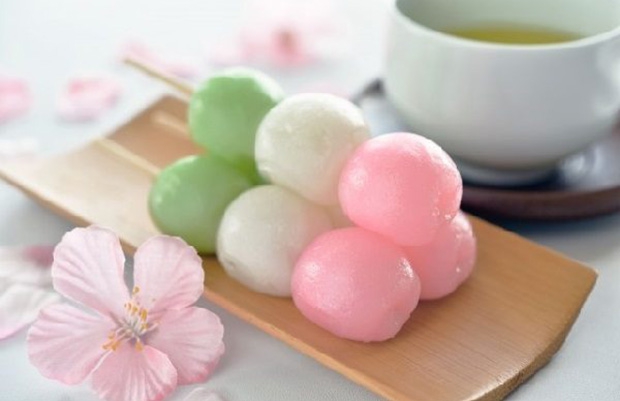
Dango, a delightful and ubiquitous sweet from Japan, holds a special place in the nation's culinary landscape. These chewy rice flour dumplings, often skewered and glazed, are more than just a treat; they are a cultural icon, deeply intertwined with traditions and regional specialties. From the classic mitarashi dango, bathed in a sweet and savory soy sauce glaze, to the colorful hanami dango enjoyed during cherry blossom season, dango offers a diverse and delicious experience for every palate. This article delves into the world of dango, exploring its history, variations, and the best ways to savor this beloved Japanese confection.

Dango: A Sweet Treat from Japan
Introduction to Japanese Confectionery
Japanese confectionery, known as wagashi, is an art form in itself. Wagashi encompasses a wide range of sweets, each meticulously crafted with seasonal ingredients and artistic presentation. These sweets are often enjoyed during tea ceremonies and festivals, reflecting the deep connection between food and culture in Japan. Ingredients like rice flour, beans, and seasonal fruits are commonly used, highlighting the natural flavors and textures. The delicate balance of sweetness and subtle flavors is a hallmark of wagashi, offering a refined and elegant culinary experience.
Dango, a prominent member of the wagashi family, stands out for its simplicity and versatility. Made primarily from rice flour (mochiko or dango-ko), dango offers a satisfyingly chewy texture and a subtle sweetness that complements various glazes and toppings. Its humble ingredients belie its cultural significance and the wide array of regional variations.
The Appeal of Dango
The appeal of dango lies in its simplicity and versatility. The chewy texture, combined with the subtle sweetness of the rice flour, creates a comforting and satisfying treat. The neutral flavor profile of dango allows it to be paired with a wide range of toppings and glazes, from the savory-sweet mitarashi sauce to the vibrant colors of anko (red bean paste) and matcha (green tea powder). This adaptability makes dango a popular choice for both traditional and modern interpretations.
Furthermore, dango is deeply ingrained in Japanese culture and traditions. It is often enjoyed during festivals, tea ceremonies, and special occasions, symbolizing good luck and prosperity. The act of sharing dango with loved ones reinforces social bonds and creates a sense of community. Its accessibility and affordability also contribute to its widespread popularity, making it a beloved treat for people of all ages.
Dango vs. Other Japanese Sweets
While dango shares similarities with other Japanese sweets like mochi, there are key differences that set it apart. Mochi, also made from glutinous rice flour, is typically pounded into a smooth, elastic paste, while dango retains a more distinct dumpling-like shape. Mochi is often used in more elaborate desserts and savory dishes, while dango is primarily enjoyed as a simple, skewered sweet.
Another popular Japanese sweet is daifuku, which consists of mochi filled with sweet fillings like anko or fruit. Daifuku offers a richer and more complex flavor profile compared to dango, which relies on the glaze or topping for its primary taste. While both are made from rice flour, their textures, preparations, and typical flavor profiles distinguish them.
Compared to other Japanese sweets, dango's simplicity makes it a blank canvas for creativity. Unlike the labor-intensive process of making mochi, dango can be easily prepared at home, making it a popular choice for home cooks and casual snacking. The variety of flavors and toppings available further enhances its appeal, allowing for endless customization and experimentation.
Regional Variations of Dango
One of the most fascinating aspects of dango is its regional variations, each reflecting the unique culinary traditions and local ingredients of its respective region. From the bustling metropolis of Tokyo to the ancient capital of Kyoto, dango takes on diverse forms and flavors, offering a glimpse into the rich tapestry of Japanese regional cuisine.
Dango in Tokyo
In Tokyo, you'll often find classic dango variations like mitarashi dango readily available. Served warm and glistening with its characteristic sweet and savory glaze, it’s a quick and satisfying snack. Tokyo's dango scene also reflects the city's modern and innovative spirit. You might encounter dango infused with trendy flavors or creatively presented in stylish cafes. The fast-paced nature of Tokyo life has made convenient, grab-and-go dango options popular, catering to busy commuters and shoppers.
Tokyo's dango shops often incorporate seasonal ingredients, offering limited-time flavors that reflect the changing seasons. During the spring, you might find sakura-flavored dango, while autumn brings chestnut or sweet potato variations. This seasonal approach keeps the dango experience fresh and exciting, attracting both locals and tourists alike.
Dango in Kyoto
Kyoto, the cultural heart of Japan, boasts a more refined and traditional approach to dango. Here, you'll find dango served in elegant tea houses and traditional sweet shops, often accompanied by matcha green tea. Kyoto's dango emphasizes the quality of ingredients and the artistry of presentation. The flavors are often more subtle and delicate, reflecting the sophisticated palate of the city.
One of Kyoto's most famous dango variations is kinako dango, coated in roasted soybean flour. The kinako adds a nutty and earthy flavor that complements the chewy texture of the dango. Another popular choice is anko dango, topped with smooth and sweet red bean paste. These traditional flavors reflect Kyoto's rich culinary heritage and its dedication to preserving traditional techniques.
Dango in Other Regions of Japan
Beyond Tokyo and Kyoto, other regions of Japan offer their own unique takes on dango. In Hokkaido, you might find dango made with locally grown potatoes, giving it a slightly different texture and flavor. In Kyushu, sweet potato dango is a popular regional specialty, utilizing the island's abundant sweet potato harvest. These regional variations showcase the adaptability of dango and its ability to incorporate local ingredients and flavors.
In some rural areas, you might even find homemade dango recipes passed down through generations. These family recipes often feature unique ingredients or preparation methods, reflecting the local traditions and customs. Exploring these regional dango variations is a delicious way to experience the diversity of Japanese cuisine and culture.
Serving and Enjoying Dango
Dango is typically served skewered, with three to five dumplings per skewer. This presentation makes it easy to eat and share, whether you're enjoying it at a festival, a tea ceremony, or simply as a snack. The skewers are often made from bamboo, adding a natural and rustic touch to the presentation. The way dango is served can also vary depending on the occasion and the region.
Pairing Dango with Tea
Dango and tea are a classic pairing in Japan. The subtle sweetness of dango complements the bitterness and aroma of green tea, creating a harmonious and balanced flavor experience. Matcha, a powdered green tea, is a particularly popular choice to enjoy with dango. The vibrant green color of matcha also adds a visual appeal to the pairing, enhancing the overall sensory experience.
When pairing dango with tea, it's important to consider the flavor profile of both. For example, a sweet and rich anko dango might be best enjoyed with a lighter and more refreshing green tea, while a savory mitarashi dango could be paired with a bolder and more robust tea. Experimenting with different tea and dango combinations is a fun way to discover your personal preferences.
The Japanese tea ceremony, or chado, often features wagashi like dango as part of the ritual. The sweets are carefully chosen to complement the tea and to reflect the season. The tea ceremony is a highly formalized and meditative practice, emphasizing mindfulness and appreciation for the present moment. Enjoying dango as part of a tea ceremony is a truly special and immersive cultural experience.
Dango as a Gift
Dango is a thoughtful and appreciated gift in Japan, especially during festivals and special occasions. The act of giving dango symbolizes good luck and prosperity, conveying your well wishes to the recipient. Dango is often packaged in decorative boxes or wrapped in traditional paper, adding an extra touch of elegance and thoughtfulness to the gift.
When giving dango as a gift, it's important to consider the recipient's preferences and dietary restrictions. If you're unsure, a classic mitarashi dango or a variety pack of different flavors is always a safe bet. You can also personalize the gift by including a handwritten note or a small token of appreciation.
Storing Dango Properly
Dango is best enjoyed fresh, as its texture can change over time. However, if you have leftover dango, it's important to store it properly to maintain its quality. The best way to store dango is in an airtight container in the refrigerator. This will help prevent it from drying out and becoming hard. Dango can typically be stored in the refrigerator for up to two days.
Before storing dango, it's a good idea to separate the dumplings from the skewers to prevent them from sticking together. You can also lightly brush the dango with a neutral oil to help keep them moist. When you're ready to eat the dango, you can reheat it in the microwave or by steaming it for a few minutes. Be careful not to overheat the dango, as this can make it tough and rubbery.
While dango can be frozen, it's not recommended as freezing can significantly alter its texture. The dumplings may become more brittle and less chewy after thawing. If you do choose to freeze dango, wrap it tightly in plastic wrap and store it in an airtight container for up to one month. Thaw the dango completely before reheating.
In conclusion, dango is more than just a sweet treat; it's a cultural icon that embodies the simplicity, versatility, and regional diversity of Japanese cuisine. From its humble origins as a simple rice flour dumpling to its countless regional variations, dango continues to captivate and delight people of all ages. Whether you're enjoying it at a tea ceremony, a festival, or simply as a snack, dango offers a taste of Japan's rich culinary heritage and a moment of sweet satisfaction.


Messenger

Back to top