
Hanoi, a city celebrated for its vibrant street food and rich culinary heritage, also offers a sophisticated and refined dining experience: omakase. This Japanese tradition, where diners entrust their meal entirely to the chef's expertise, has found a home in Hanoi, offering a unique and intimate culinary adventure. Omakase, meaning "I'll leave it to you," is more than just a meal; it's a journey of flavors, textures, and artistry, guided by the chef's intuition and the freshest, seasonal ingredients. This article explores the allure of omakase in Hanoi, delving into the key elements that make it a truly exceptional dining experience.

The Allure of Omakase in Hanoi
Omakase in Hanoi offers a departure from the typical dining experience, inviting patrons to relinquish control and embrace the unexpected. It's a chance to savor the chef's personal interpretation of Japanese cuisine, using the best available ingredients and showcasing their culinary skills.
Fresh Ingredients and Seasonal Delights
At the heart of any great omakase experience lies the quality and freshness of the ingredients. In Hanoi, chefs meticulously source seasonal produce, seafood, and other delicacies, often importing directly from Japan or utilizing the finest local suppliers. This commitment to quality ensures that each dish bursts with flavor and reflects the current season. The emphasis on seasonality means that the omakase menu is constantly evolving, offering a new and exciting experience with each visit. Diners can expect to encounter a variety of ingredients, from the familiar to the exotic, all prepared with precision and care. Seasonal ingredients are key to culinary experience.
- Seasonal fish, like sanma (Pacific saury) in autumn or shirako (cod milt) in winter, offer unique flavors.
- Local vegetables at their peak ripeness contribute to the overall harmony of the meal.
- Imported delicacies, such as uni (sea urchin) or wagyu beef, add a touch of luxury and indulgence.
The Chef as an Artist
Omakase is not merely about the food; it's about the chef's artistry and skill in creating a balanced and harmonious meal. The chef acts as a culinary storyteller, guiding diners through a carefully curated sequence of dishes that showcase their creativity and expertise. Each plate is a work of art, meticulously arranged with attention to detail, color, and texture. The chef's knife skills are on full display, as they expertly slice fish, prepare sushi, and create intricate garnishes. Observing the chef at work is an integral part of the omakase experience, offering a glimpse into their passion and dedication to their craft. Culinary experience is about food and chef skill.
A Personalized Dining Experience
One of the most appealing aspects of omakase is the personalized nature of the experience. The chef will often engage with diners, asking about their preferences, dietary restrictions, and any allergies they may have. This information allows the chef to tailor the meal to each individual's tastes, ensuring a truly unique and satisfying experience. The interaction between chef and diner is an essential element of omakase, fostering a sense of connection and trust. It's an opportunity to learn about the ingredients, the techniques, and the philosophy behind each dish. This personalized approach elevates omakase beyond a simple meal, transforming it into a memorable and intimate culinary journey. Fine dining is about personalization.
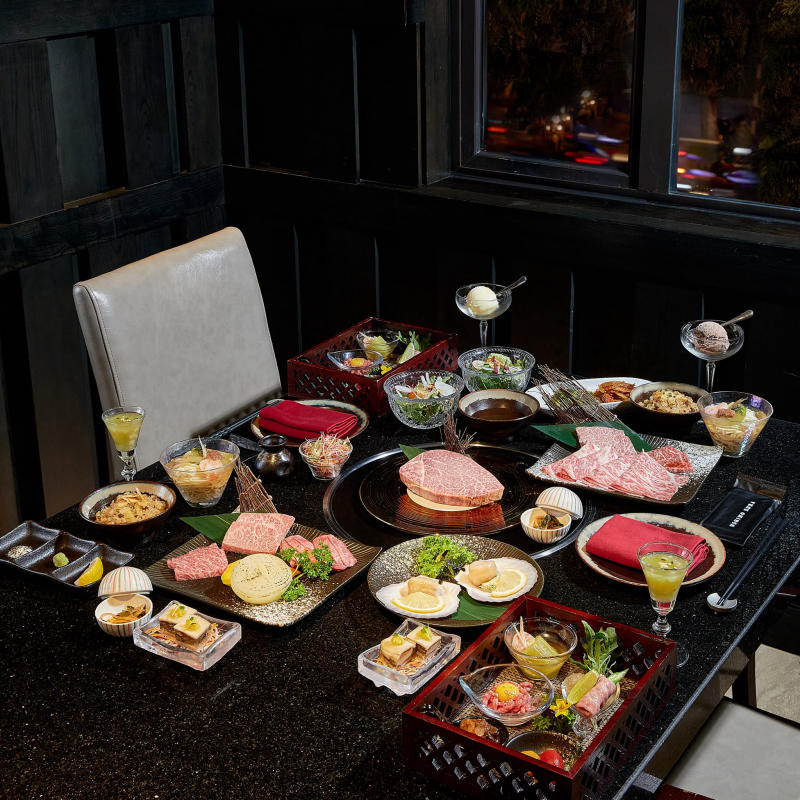
Navigating the Omakase Menu in Hanoi
While the concept of omakase involves entrusting your meal to the chef, understanding the basics of the menu and Japanese culinary terminology can enhance your experience. Don't be afraid to ask questions and communicate your preferences to ensure a truly satisfying meal.
Understanding Common Ingredients and Terminology
The world of Japanese cuisine can seem daunting to newcomers, with its unique ingredients and specialized terminology. Familiarizing yourself with some of the common terms and ingredients used in omakase can help you better appreciate the meal and engage with the chef. Here are a few examples:
- Nigiri: Hand-pressed sushi, typically consisting of a slice of fish draped over a bed of vinegared rice.
- Sashimi: Thinly sliced raw fish, served without rice.
- Uni: Sea urchin, prized for its rich, creamy flavor.
- Otoro: The fattiest part of the tuna belly, considered a delicacy.
- Wasabi: A pungent green paste made from the wasabi plant, used as a condiment.
- Gari: Pickled ginger, served as a palate cleanser between courses.
Understanding these terms will not only enrich your omakase experience but also allow you to better appreciate the nuances of Japanese cuisine. Beyond the specific ingredients, familiarize yourself with broader categories. For example, different types of fish might be served, each with its own unique flavor profile and texture. Similarly, various preparation methods, such as grilling, steaming, or frying, can dramatically alter the taste and presentation of a dish. Japanese cuisine can be complex for newcomers.
Asking Questions and Communicating Preferences
While omakase is about trusting the chef, it's also about open communication. Don't hesitate to ask questions about the ingredients, the preparation methods, or the chef's inspiration. Chefs are typically passionate about their craft and eager to share their knowledge. Communicating your preferences is also crucial. If you have a particular ingredient that you dislike, or if you prefer certain flavors over others, let the chef know. They can then adjust the menu accordingly, ensuring that you have a truly enjoyable experience. It's also important to inform the chef of any allergies or dietary restrictions you may have. This is essential for your safety and allows the chef to create a meal that is both delicious and appropriate for your needs. Remember, omakase is a collaborative experience, and your input is valued. Communicate preferences with chef.
Dealing with Dietary Restrictions
Many omakase restaurants in Hanoi are accommodating to dietary restrictions, such as allergies, vegetarianism, or gluten intolerance. However, it's crucial to inform the restaurant in advance when making your reservation. This allows the chef to prepare accordingly and ensure that you have a safe and enjoyable meal. Vegetarian omakase, while less common, can be a surprisingly creative and flavorful experience, featuring a variety of seasonal vegetables, tofu, and other plant-based ingredients. Chefs can also adapt the menu to accommodate gluten intolerance, using gluten-free soy sauce and other substitutes. With proper communication and planning, even those with dietary restrictions can fully enjoy the art of omakase. Dietary restrictions can be accommodated.

Beyond the Food: The Ambiance of Omakase
The omakase experience extends beyond the food itself, encompassing the atmosphere, the design, and the chef's personality. These elements contribute to the overall ambiance and create a truly memorable dining experience.
The Importance of Atmosphere and Design
The atmosphere of an omakase restaurant plays a crucial role in setting the stage for the meal. Many establishments opt for a minimalist and elegant design, creating a serene and contemplative space. The lighting is often soft and subdued, creating a sense of intimacy and focus. The seating arrangement is also carefully considered, with most omakase restaurants featuring a counter where diners can sit and observe the chef at work. This allows for a closer connection between chef and diner, enhancing the personalized nature of the experience. The overall design aims to create a sense of calm and tranquility, allowing diners to fully appreciate the artistry of the food. Restaurant atmosphere is very important.
- Minimalist decor with clean lines
- Soft, ambient lighting
- Counter seating to observe the chef
- Tranquil and serene atmosphere
The Role of the Chef's Personality
The chef's personality is an integral part of the omakase experience. Their passion, knowledge, and enthusiasm for their craft are contagious, creating a dynamic and engaging atmosphere. Many chefs are happy to share stories about the ingredients, the techniques, and the inspiration behind their dishes. Some chefs even have a playful and humorous side, adding a touch of levity to the experience. The chef's personality helps to create a connection with diners, fostering a sense of trust and camaraderie. This personal connection elevates omakase beyond a simple meal, transforming it into a memorable and interactive culinary experience. The chef's personality shines in omakase experience.
Creating a Memorable Omakase Experience
To make the most of your omakase experience in Hanoi, consider the following tips:
By following these tips, you can ensure a truly memorable and rewarding omakase experience in Hanoi. The combination of fresh ingredients, culinary artistry, personalized service, and a captivating ambiance creates a dining experience that is both sophisticated and intimate. This experience is a unique culinary journey.
In conclusion, the allure of omakase in Hanoi lies in its unique blend of culinary artistry, fresh ingredients, and personalized service. It’s an invitation to trust the chef’s expertise and embark on a carefully curated journey of flavors and textures. From understanding the menu to appreciating the ambiance, every element contributes to a truly unforgettable dining experience. Whether you're a seasoned foodie or a curious newcomer, omakase in Hanoi offers a sophisticated and intimate way to explore the depths of Japanese cuisine.


Messenger

Back to top