
Stepping into a ryokan in Japan is akin to entering a different world, a realm where time slows down, and the essence of Japanese culture envelops you. More than just a place to rest your head, a ryokan is a traditional Japanese inn that offers an immersive experience, a chance to connect with the country’s rich heritage and time-honored customs. From the meticulously designed architecture to the heartfelt hospitality, every aspect of a ryokan stay is crafted to provide a memorable and authentic glimpse into the heart of Japanese tradition. For travelers seeking a deeper understanding of Japan, choosing a ryokan over a conventional hotel is an excellent way to immerse yourself in the local culture.

The Allure of Ryokan: A Traditional Japanese Inn
Defining the Essence of Ryokan: More Than Just Accommodation
A ryokan is not merely a hotel; it is a cultural institution. It represents a unique blend of accommodation, dining, and traditional experiences meticulously designed to provide guests with an immersive taste of Japanese hospitality and aesthetics. Ryokans distinguish themselves through their architecture, which often incorporates natural materials like wood and paper, creating a serene and harmonious environment. The experience is completed with meticulously prepared meals featuring local and seasonal ingredients, embodying the Japanese philosophy of '旬' (shun), which celebrates eating foods at their peak flavor.
Unlike Western-style hotels that prioritize efficiency and standardization, ryokans emphasize personalized service and attention to detail. The concept of 'Omotenashi,' or selfless hospitality, is central to the ryokan experience, ensuring that guests feel welcomed and cared for throughout their stay. This commitment to guest satisfaction extends to every aspect of the ryokan, from the meticulously maintained gardens to the thoughtfully arranged rooms, making a stay at a ryokan a truly unique and enriching experience. The difference between a ryokan and a hotel lies in this holistic approach to hospitality, where every element is carefully curated to create a memorable and culturally immersive stay.
Architectural Beauty: Traditional Design and Gardens
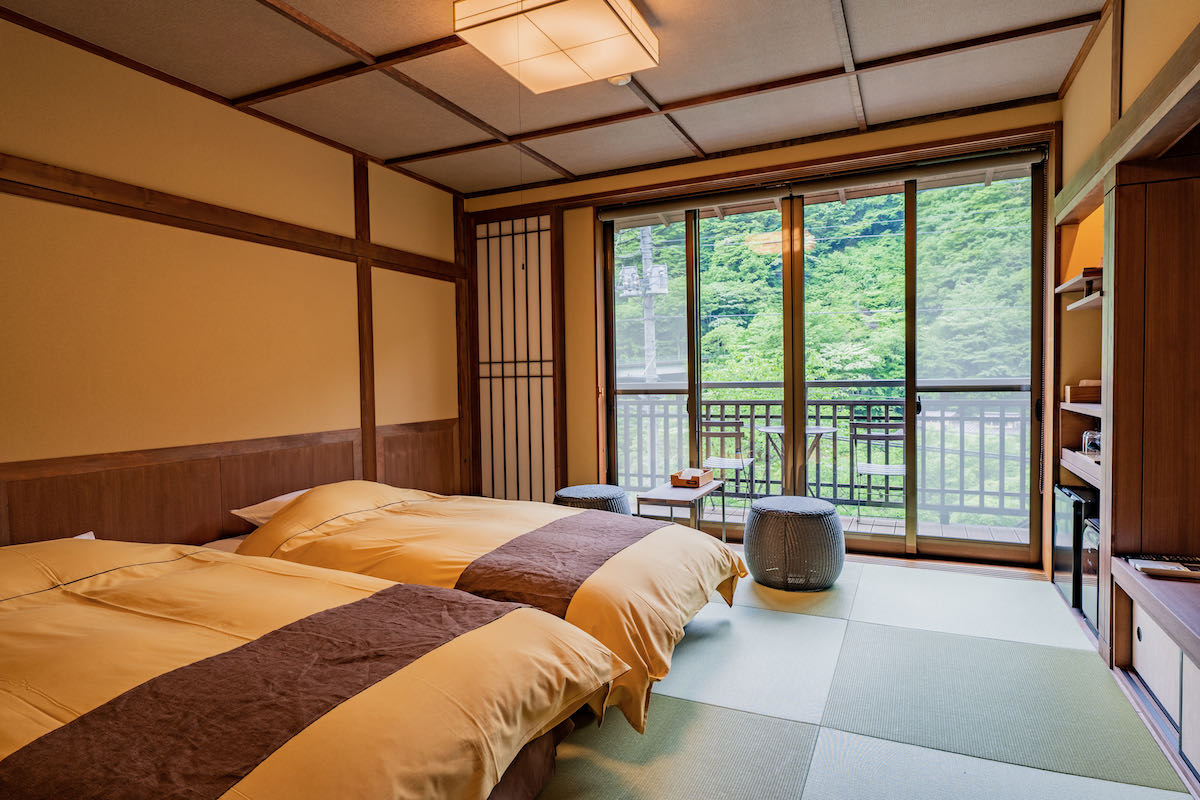
Ryokan architecture is a testament to traditional Japanese design principles, characterized by simplicity, harmony with nature, and meticulous attention to detail. The use of natural materials such as wood, bamboo, and paper creates a calming and organic atmosphere. Tatami mats, made from woven rush grass, cover the floors, providing a comfortable and aesthetically pleasing surface to walk on. Shoji screens, delicate paper sliding doors, allow soft light to filter through, creating a serene ambiance. These elements combine to create spaces that are both functional and beautiful, reflecting a deep appreciation for the natural world.
Many ryokans feature meticulously landscaped gardens, which are an integral part of the overall experience. These gardens are designed to evoke a sense of tranquility and harmony, often incorporating elements such as ponds, waterfalls, stone lanterns, and carefully pruned trees. Guests can stroll through these gardens, enjoying the beauty of nature and finding moments of peace and reflection. The gardens are often designed to be enjoyed from within the ryokan as well, with carefully positioned windows and verandas offering stunning views. The integration of architecture and landscape creates a seamless connection between the indoor and outdoor spaces, enhancing the sense of serenity and relaxation that is central to the ryokan experience.

The Art of Omotenashi: Japanese Hospitality
At the heart of the ryokan experience lies the concept of Omotenashi, which translates to selfless hospitality. This philosophy goes beyond mere customer service; it embodies a deep-seated desire to anticipate and fulfill the needs of guests, ensuring that their stay is as comfortable and enjoyable as possible. Ryokan staff are trained to pay meticulous attention to detail, from remembering guests' preferences to providing personalized recommendations for local attractions. This dedication to guest satisfaction is evident in every interaction, creating a warm and welcoming atmosphere that sets ryokans apart from conventional hotels.
Omotenashi is also reflected in the thoughtful gestures that are common in ryokans. Guests are often greeted with a cup of green tea and a small sweet upon arrival, a gesture that symbolizes welcome and hospitality. Staff members are always on hand to assist with any requests, whether it's arranging transportation, providing information about local customs, or simply offering a friendly smile. This level of attention and care creates a sense of connection and trust between guests and staff, making the ryokan experience truly memorable. Experiencing Omotenashi is an integral part of understanding Japanese culture and hospitality.
Experiencing Authentic Japanese Culture
Tatami Mats and Futon Beds: Embracing Simplicity
One of the most distinctive features of a ryokan is the use of tatami mats and futon beds. Tatami mats are traditional Japanese flooring made from woven rush grass, providing a comfortable and aesthetically pleasing surface to walk on. They also have a subtle fragrance that adds to the overall ambiance of the room. Futon beds are thin mattresses that are typically rolled out on the tatami mats at night, providing a comfortable and supportive sleeping surface. During the day, the futons are stored away, allowing the room to be used for other activities. This minimalist approach to furniture reflects a Japanese aesthetic that values simplicity and functionality.
Sleeping on a futon on tatami mats is a unique experience that allows guests to connect with Japanese culture on a deeper level. The firmness of the tatami mats and the support of the futon can promote better sleep and relaxation. The simplicity of the sleeping arrangement also encourages a sense of mindfulness and appreciation for the present moment. Embracing traditional elements like tatami and futon is an important part of the ryokan experience, offering a glimpse into the Japanese way of life.
Yukata and Geta: Traditional Attire
Upon arrival at a ryokan, guests are typically provided with a yukata, a light cotton kimono, and geta, wooden sandals. The yukata is a comfortable and casual garment that is worn throughout the ryokan, including to meals, onsen (hot springs), and even for strolling around the local neighborhood. Geta are traditional Japanese footwear that are designed to be worn with yukata. Wearing a yukata and geta is a fun and immersive way to experience Japanese culture and feel like a local.
The yukata is not only comfortable but also practical. It is easy to put on and take off, making it ideal for relaxing in the ryokan. The geta provide good support and traction, making them suitable for walking on a variety of surfaces. Wearing a yukata and geta is also a sign of respect for Japanese customs and traditions. It shows that you are embracing the local culture and are open to new experiences. Adopting the yukata and geta is a key part of the ryokan experience, allowing guests to fully immerse themselves in Japanese traditions.
Tea Ceremonies and Other Cultural Activities
Many ryokans offer guests the opportunity to participate in traditional Japanese cultural activities, such as tea ceremonies, calligraphy workshops, and ikebana (flower arranging) classes. These activities provide a hands-on way to learn about Japanese customs and traditions, and to connect with the local culture on a deeper level. Tea ceremonies, in particular, are a fascinating and meaningful experience. They involve the preparation and serving of matcha, a powdered green tea, according to a precise and ritualized procedure. The tea ceremony is not just about drinking tea; it is about creating a moment of harmony, respect, purity, and tranquility.
Participating in these cultural activities can be a highlight of your ryokan stay, providing you with lasting memories and a greater appreciation for Japanese culture. They offer a unique opportunity to engage with local traditions and learn from skilled practitioners. Whether you are sipping matcha in a tea ceremony, practicing calligraphy with a brush and ink, or arranging flowers in an ikebana class, these activities will leave you with a deeper understanding and appreciation for the beauty and complexity of Japanese culture. Participating in a tea ceremony offers insight into Japanese customs.
Beyond the Basics: Enhancing Your Ryokan Experience
Exploring Local Attractions and Neighborhoods
While the ryokan itself offers a wealth of cultural experiences, it is also important to venture out and explore the local attractions and neighborhoods. Many ryokans are located in scenic areas, such as near mountains, lakes, or coastlines, offering opportunities for hiking, sightseeing, and other outdoor activities. Exploring the local area can provide you with a deeper understanding of Japanese culture and way of life. Take a walk through the local streets, visit a nearby temple or shrine, or sample the local cuisine at a traditional restaurant.
Engaging with the local community can also enhance your ryokan experience. Strike up conversations with local residents, ask for recommendations on things to see and do, and learn about the history and culture of the area. This will not only enrich your travel experience but also help you to connect with Japan on a more personal level. Exploring the surrounding local area enhances the ryokan experience.
Seasonal Experiences: Cherry Blossoms and Autumn Leaves
Japan is a country of distinct seasons, each offering its own unique beauty and experiences. Spring is famous for its cherry blossoms (sakura), which bloom for a short period in March and April, transforming the landscape into a sea of pink and white. Autumn is another popular time to visit, as the leaves on the trees turn vibrant shades of red, orange, and yellow, creating stunning scenery. Many ryokans offer special packages and activities that are tailored to the specific season, allowing guests to fully immerse themselves in the beauty of nature.
During cherry blossom season, ryokans may offer special hanami (cherry blossom viewing) picnics, guided tours of local cherry blossom spots, and seasonal cuisine featuring cherry blossom-inspired dishes. In the autumn, ryokans may offer guided hikes through the colorful forests, outdoor onsen with views of the autumn foliage, and seasonal cuisine featuring autumn harvests. Experiencing these seasonal events can add a special dimension to your ryokan stay, creating memories that will last a lifetime. Experiencing seasonal events enhances the ryokan stay.
Ryokan for Special Occasions: Anniversaries and Honeymoons
Ryokans are an ideal choice for special occasions, such as anniversaries, honeymoons, and birthdays. The romantic atmosphere, personalized service, and luxurious amenities make them the perfect setting for celebrating these milestones. Many ryokans offer special packages for couples, including private onsen, gourmet meals, and romantic room decorations. Some ryokans can arrange for special surprises, such as a personalized cake, a bottle of champagne, or a bouquet of flowers.
Celebrating a special occasion at a ryokan can create unforgettable memories and strengthen the bond between loved ones. The intimate setting, combined with the attentive service and cultural experiences, provides a unique and memorable way to mark these important moments in life. Whether you are celebrating an anniversary, a honeymoon, or a birthday, a ryokan can provide the perfect setting for a truly special and unforgettable experience. Ryokans are the perfect setting for anniversaries and honeymoons.
In conclusion, a stay at a ryokan offers far more than just accommodation; it provides a gateway to experiencing the heart and soul of Japanese culture. From the architectural beauty and serene gardens to the heartfelt Omotenashi and traditional customs, every aspect of a ryokan is designed to create an immersive and unforgettable experience. Whether you're seeking a peaceful retreat, a cultural adventure, or a romantic getaway, a ryokan offers a unique and enriching way to connect with Japan and its traditions. A visit to a ryokan is a journey into authentic Japanese hospitality, offering a glimpse into a world of beauty, tranquility, and cultural richness.


Messenger

Back to top