
The donabe, a Japanese earthenware pot, is more than just a cooking vessel; it's a cultural icon steeped in history and tradition. Prized for its ability to distribute heat evenly and retain warmth, the donabe has been a staple in Japanese kitchens for centuries. From simmering hearty stews to cooking perfectly fluffy rice, this versatile pot brings a unique depth of flavor and communal warmth to any meal. In this comprehensive guide, we'll delve into the fascinating world of donabe cooking, exploring its origins, different types, benefits, essential recipes, and how to care for this cherished piece of cookware.

The History And Origins Of Donabe
The history of the donabe stretches back to ancient Japan, with evidence suggesting its use as early as the Yayoi period (300 BCE – 300 CE). Initially, these simple clay pots were primarily used for cooking rice over an open fire. As Japanese culinary traditions evolved, so did the donabe, with regional variations and specialized designs emerging to cater to different cooking styles and ingredients.
The word "donabe" itself simply translates to "earthenware pot" in Japanese. These pots are typically made from a special type of clay that is porous and highly heat-resistant. This unique composition allows the donabe to withstand high temperatures and distribute heat evenly, resulting in food that is cooked to perfection.
Over time, the donabe has become an integral part of Japanese cuisine, particularly for communal dishes like hot pot (nabemono) and rice dishes (kamameshi). Its presence on the dining table signifies warmth, togetherness, and the enjoyment of shared meals.
Different Types Of Donabe Clay Pots
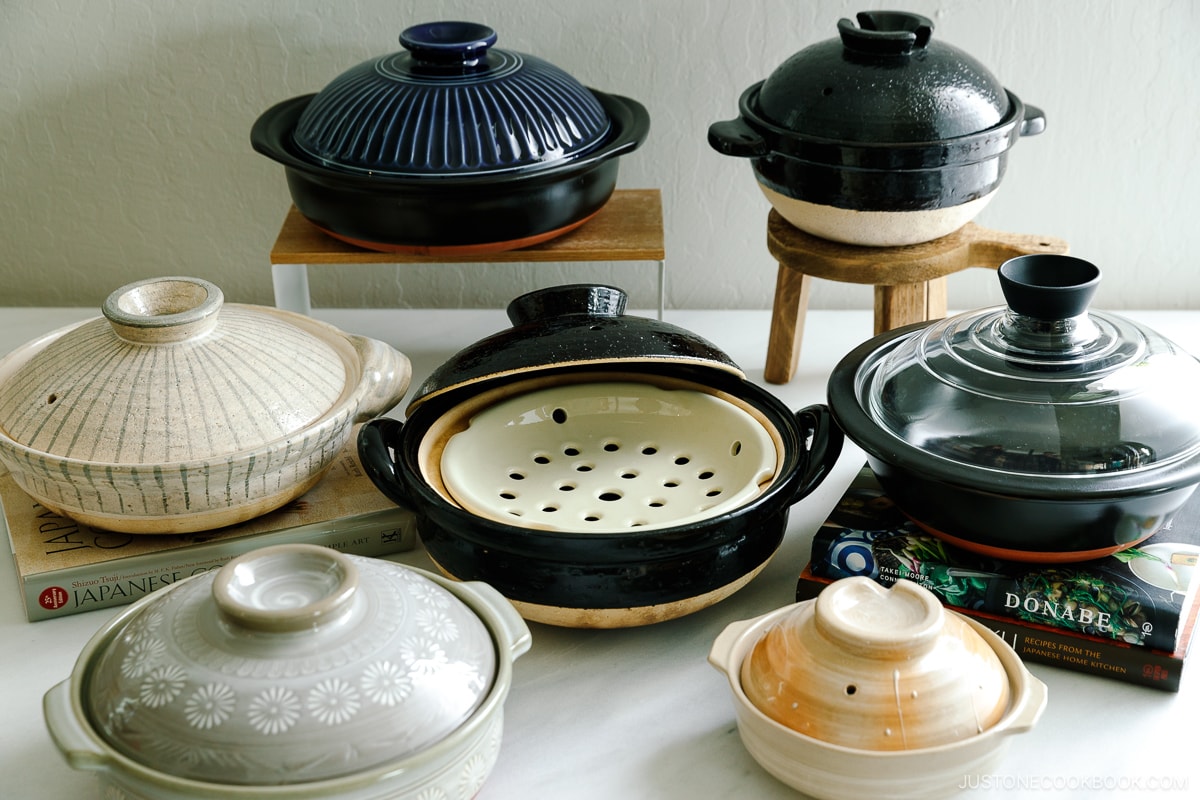
The world of donabe is diverse, with various types designed for specific culinary purposes. Here are some of the most common types you'll encounter:
- Rice Donabe (Gohan Nabe): Designed specifically for cooking rice, these pots often have a double-lid construction to trap steam and ensure even cooking.
- Hot Pot Donabe (Nabe): These are larger, deeper pots ideal for cooking communal hot pot dishes. They come in various sizes and materials, including those suitable for induction cooktops.
- Stew Donabe (Nikomi Nabe): These versatile pots are perfect for simmering stews, soups, and braised dishes. They often have a glazed interior to prevent sticking.
- Tagine Donabe: Inspired by Moroccan tagines, these donabe have a conical lid that helps to circulate steam and keep food moist.
- Smoker Donabe (Ibushi Nabe): These specialized donabe are designed for smoking food at home. They typically come with a rack and wood chips for creating smoky flavors.
Beyond these common types, you'll also find donabe designed for roasting, grilling, and even baking. The versatility of the donabe makes it a valuable addition to any kitchen.

Benefits Of Cooking With A Donabe
Cooking with a donabe offers a multitude of benefits, both in terms of flavor and practicality:
- Even Heat Distribution: The porous clay construction ensures that heat is distributed evenly throughout the pot, preventing hot spots and ensuring consistent cooking.
- Excellent Heat Retention: Donabe retain heat exceptionally well, keeping food warm for extended periods, making them ideal for serving communal meals.
- Enhanced Flavor: The clay material imparts a subtle earthy flavor to food, enhancing its natural taste and adding depth to dishes.
- Versatility: Donabe can be used for a wide range of cooking methods, from simmering and stewing to steaming and even smoking.
- Aesthetic Appeal: Donabe are beautiful and elegant, adding a touch of Japanese tradition to your dining table.
The unique properties of the donabe make it a superior cooking vessel compared to metal pots, especially for dishes that require gentle and even heat.
Essential Donabe Recipes For Beginners
Now that you understand the basics of donabe cooking, let's explore some essential recipes that are perfect for beginners:
Simple Donabe Rice Recipe
Cooking rice in a donabe is a simple yet rewarding experience. The result is perfectly cooked, fluffy rice with a subtle earthy flavor. Here's a basic recipe:
The key to perfect donabe rice is to monitor the heat and adjust the cooking time as needed. With a little practice, you'll be able to achieve consistently delicious results.
Classic Chicken And Vegetable Hot Pot (Mizutaki)
Mizutaki is a classic Japanese hot pot dish that is perfect for sharing with friends and family. It features a simple broth, chicken, vegetables, and dipping sauces. Here's a basic recipe:
Mizutaki is a customizable dish, so feel free to add your favorite ingredients and adjust the broth to your liking. The communal aspect of hot pot cooking makes it a fun and interactive dining experience.
Hearty Donabe Stew With Miso
This hearty donabe stew is packed with flavor and nutrients. It features a rich miso broth, root vegetables, and your choice of protein. Here's a basic recipe:
This miso stew is a comforting and satisfying meal that is perfect for cold weather. The donabe's ability to retain heat will keep the stew warm throughout your meal.
Caring For Your Donabe And Troubleshooting
Proper care is essential for ensuring the longevity of your donabe. Here are some tips for seasoning, cleaning, and storing your donabe:
Seasoning Your Donabe For Longevity
Before using your donabe for the first time, it's important to season it to prevent cracking and leaking. Here's how:
This process helps to seal the pores in the clay and strengthen the donabe's structure.
Cleaning And Storing Your Donabe Properly
To keep your donabe in good condition, follow these cleaning and storage guidelines:
- Hand Wash Only: Never put your donabe in the dishwasher. Wash it by hand with mild soap and warm water.
- Avoid Abrasive Cleaners: Do not use abrasive cleaners or scrub brushes, as they can damage the surface of the donabe.
- Dry Thoroughly: After washing, dry the donabe thoroughly with a soft cloth before storing it.
- Store in a Dry Place: Store the donabe in a dry place, away from moisture and extreme temperatures.
Proper cleaning and storage will help to prevent mold growth and cracking.
Troubleshooting Common Donabe Issues (Cracking, Leaking)
Despite your best efforts, you may encounter some common issues with your donabe. Here's how to troubleshoot them:
- Cracking: Small cracks can sometimes appear in the donabe's surface due to temperature changes. These cracks are usually harmless and will not affect the donabe's performance. However, large cracks can compromise the donabe's structural integrity.
- Leaking: If your donabe is leaking, it may be due to a crack or a porous area in the clay. Try seasoning the donabe again to see if it seals the leak. If the leak persists, you may need to replace the donabe.
- Staining: Staining can occur over time due to the absorption of food particles. To remove stains, try soaking the donabe in warm water with baking soda.
By addressing these issues promptly, you can extend the life of your donabe and continue to enjoy its many benefits.
The donabe is more than just a cooking pot; it's a symbol of Japanese culinary tradition and a versatile tool for creating delicious and heartwarming meals. By understanding its history, types, benefits, and proper care, you can embark on a fulfilling journey of donabe cooking and discover the unique flavors and experiences it has to offer. Whether you're simmering a comforting stew, cooking perfectly fluffy rice, or hosting a communal hot pot gathering, the donabe will undoubtedly become a cherished part of your kitchen and dining table. Embrace the art of donabe cooking and unlock a world of culinary possibilities.


Messenger

Back to top