
The culinary world is filled with accolades and recognitions, but few carry the weight and prestige of a Michelin Star. To dine at a Michelin-style restaurant is to embark on an experience that transcends mere eating; it's an immersion into culinary artistry, impeccable service, and an atmosphere of refined elegance. But what exactly defines a "Michelin-style" restaurant, and how did this seemingly simple rating system become the global standard for culinary excellence? This article delves into the history of the Michelin Guide, explores the rigorous process of earning a star, and examines alternative fine dining experiences that capture the essence of Michelin-caliber cuisine.
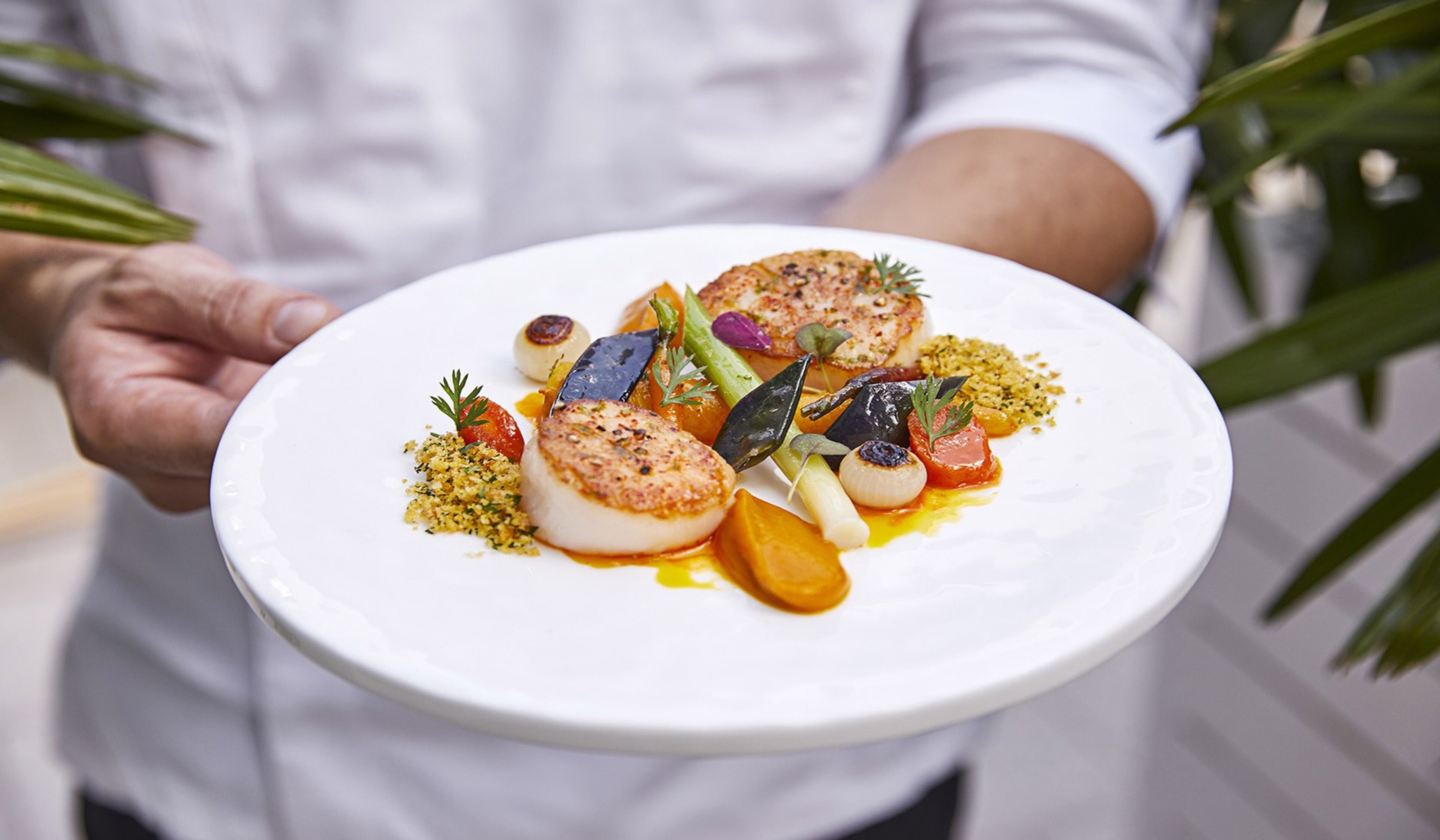
The History of the Michelin Guide
From Tire Company to Culinary Authority
The story of the Michelin Guide begins not in a kitchen, but in a tire factory. In 1900, brothers André and Édouard Michelin, founders of the Michelin Tire Company, sought to boost the demand for automobiles – and consequently, tires – in France. Their solution was ingenious: a small, free guide for motorists. This early edition contained practical information such as maps, instructions for repairing tires, and lists of gasoline vendors and hotels along popular routes. Recognizing that encouraging people to drive more would increase tire sales, the Michelin brothers essentially created a travel and dining guide as a marketing ploy.
The guide's popularity grew steadily, and in 1926, it began awarding single stars to fine dining establishments. A team of anonymous inspectors, posing as regular diners, visited restaurants and assessed the quality of the food. By 1930s, the guide expanded its rating system to include two and three stars, solidifying its position as the ultimate authority on fine dining.
Evolution of the Star Rating System
The Michelin star rating system is based on five criteria:
- Quality of the ingredients used.
- Mastery of flavor and cooking techniques.
- The personality of the chef in the cuisine.
- Value for money.
- Consistency between visits.
It is important to note that the star ratings apply only to the food on the plate; the ambiance, décor, and service are assessed separately using a different system of crossed forks and spoons.
Here’s a breakdown of what each star signifies:
- One Star: A very good restaurant in its category, offering cuisine prepared to a consistently high standard.
- Two Stars: Excellent cooking, worth a detour. Skillfully and carefully crafted dishes of outstanding quality.
- Three Stars: Exceptional cuisine, worth a special journey. Dishes are elevated to an art form and precisely executed.
This clear and concise system, combined with the anonymity of the inspectors, ensured that the Michelin Guide maintained its independence and credibility. Over time, the guide became synonymous with culinary excellence, influencing chefs and diners alike.
Global Expansion and Influence
Initially focused on France, the Michelin Guide gradually expanded its reach to other European countries and, eventually, to Asia and the Americas. Today, the guide covers major cities and regions around the globe, from Tokyo and Hong Kong to New York and San Francisco. This global expansion has solidified the Michelin Guide's status as the leading international restaurant rating system.
The influence of the Michelin Guide extends far beyond simply identifying the best restaurants. It shapes culinary trends, inspires chefs to push the boundaries of creativity, and drives tourism to regions with a high concentration of starred establishments. For chefs, earning a Michelin star can be a career-defining achievement, opening doors to new opportunities and elevating their reputation on the world stage. The guide gives diners a reliable source for discovering exceptional dining experiences.

Achieving a Michelin Star: A Chef's Perspective
The Dedication and Skill Required
Earning a Michelin star is no easy feat. It requires unwavering dedication, exceptional culinary skills, and a relentless pursuit of perfection. Chefs aspiring to earn a star must possess a deep understanding of ingredients, mastering cooking techniques, and a unique culinary vision. The journey often involves years of rigorous training, working long hours in demanding kitchens, and constantly pushing the boundaries of creativity.
The process begins with sourcing the finest ingredients, often from local farms and producers. Chefs must have a keen eye for quality, selecting only the freshest and most flavorful components. Next, they must skillfully transform these ingredients into dishes that are both visually stunning and gastronomically satisfying. This requires a mastery of classic cooking techniques, as well as the ability to innovate and experiment with new flavors and textures.
Maintaining Standards and Consistency
Maintaining a Michelin star is arguably even more challenging than earning one. Once a restaurant has achieved this distinction, it must consistently deliver exceptional experiences to every diner, every time. This requires meticulous attention to detail, a well-trained and dedicated staff, and a commitment to upholding the highest standards of quality.
Consistency is key in the eyes of Michelin inspectors. They visit restaurants multiple times, often unannounced, to assess whether the quality of the food and service remains consistently high. Any dip in standards can result in the loss of a star, so chefs must be vigilant in maintaining their focus and dedication.
The Impact of a Star on a Restaurant
The impact of earning a Michelin star on a restaurant can be transformative. A star can bring increased recognition, attracting diners from around the world and boosting revenue. It can also elevate the restaurant's reputation, making it a destination for culinary enthusiasts and food critics. A Michelin star can be a powerful marketing tool, helping restaurants to stand out in a crowded and competitive market.
However, the quest for a Michelin star can also be stressful and demanding. Chefs may feel pressured to constantly innovate and improve, and the expectations of diners can be incredibly high. It's important for chefs to maintain a healthy work-life balance and to prioritize the well-being of their staff.
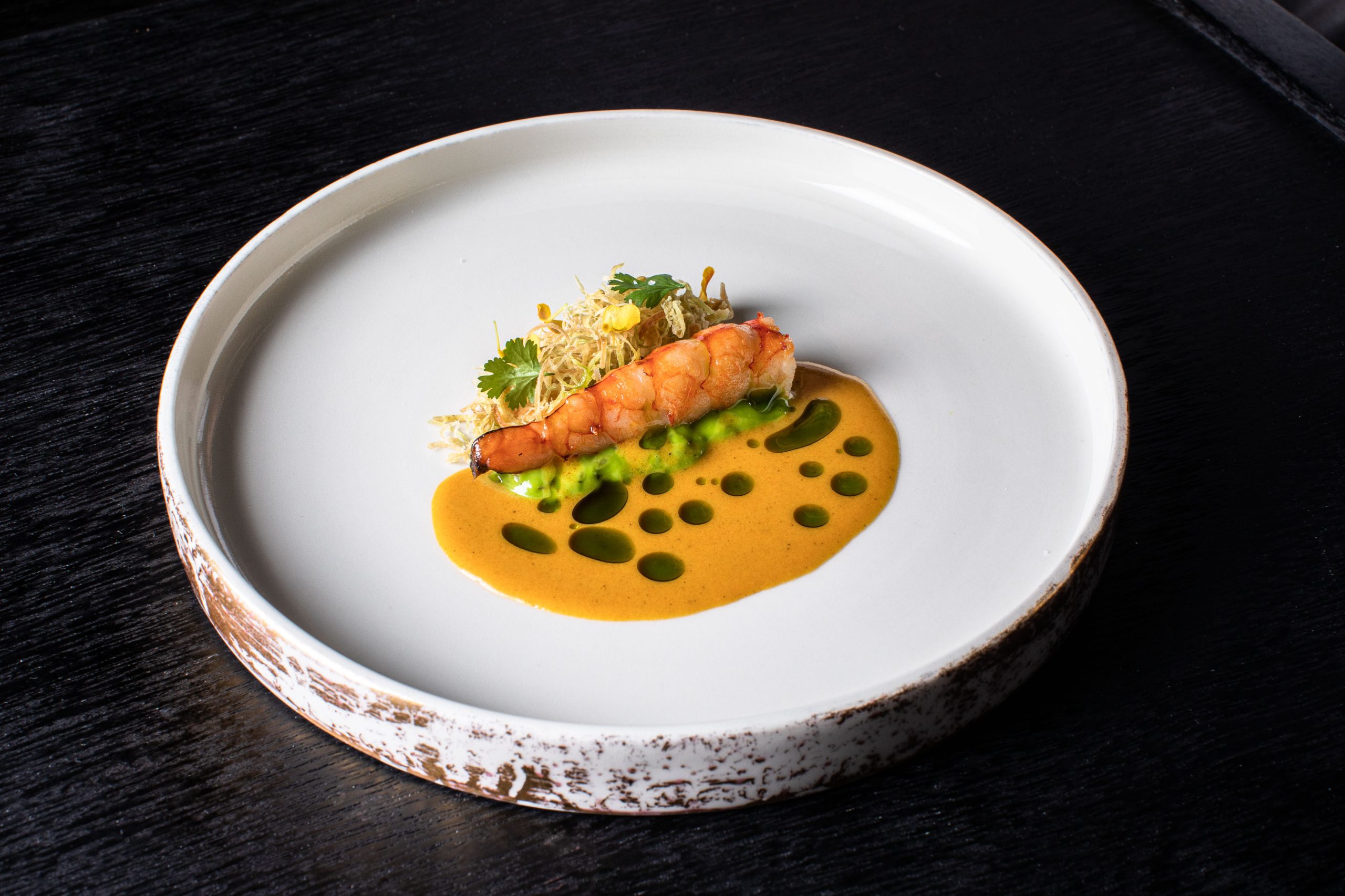
Alternative Fine Dining Experiences
While Michelin-starred restaurants represent the pinnacle of fine dining, there are many other ways to experience exceptional cuisine. Exploring alternative dining experiences can offer unique and memorable culinary adventures, often with a focus on innovation, sustainability, and personal connection.
Exploring Chef's Table Restaurants
Chef's table restaurants offer an intimate and immersive dining experience, allowing guests to interact directly with the chef and observe the culinary process firsthand. These restaurants typically feature a small number of seats, often located in or near the kitchen, providing a behind-the-scenes glimpse into the creation of each dish.
Dining at a chef's table is like attending a private performance. Chefs often share their culinary philosophies, explain the inspiration behind their dishes, and engage in conversations with guests. This creates a personal connection between the chef and the diner, enhancing the overall dining experience. Chef's table restaurants often serve tasting menus, showcasing the chef's creativity and expertise.
Pop-Up Dining and Gastronomic Events
Pop-up dining experiences and gastronomic events offer a more casual and experimental approach to fine dining. These events often take place in unconventional locations, such as warehouses, art galleries, or even private homes. Pop-up restaurants are temporary dining establishments that operate for a limited time, often showcasing the talents of emerging chefs or experimenting with new culinary concepts.
Gastronomic events, such as food festivals and culinary workshops, provide opportunities to sample a wide variety of dishes and learn about different cuisines and cooking techniques. These events often feature celebrity chefs, cooking demonstrations, and interactive experiences, making them a fun and engaging way to explore the world of food.
Farm-to-Table and Sustainable Cuisine
Farm-to-table restaurants prioritize the use of locally sourced, seasonal ingredients, often working directly with farmers and producers to ensure the freshness and quality of their food. These restaurants are committed to sustainability, minimizing their environmental impact and supporting local communities. Farm-to-table cuisine emphasizes the natural flavors of ingredients, celebrating the connection between food and the land. The focus is on creating simple, elegant dishes that highlight the quality of the ingredients.
Chefs are increasingly incorporating sustainable practices into their kitchens, from reducing food waste to using eco-friendly packaging. These efforts not only benefit the environment but also enhance the dining experience, as diners become more aware of the impact of their food choices.
The world of Michelin-style restaurants is a fascinating blend of history, skill, and innovation. From the humble beginnings of the Michelin Guide to the rigorous standards of today, the pursuit of culinary excellence has shaped the dining landscape and inspired chefs around the world. While earning a Michelin star remains a coveted achievement, alternative fine dining experiences offer a diverse range of culinary adventures, catering to different tastes and preferences. Whether you're seeking the refined elegance of a three-starred establishment or the innovative spirit of a pop-up restaurant, the world of fine dining has something to offer every discerning palate. When it comes to food, the highest quality ingredients, and the most innovative methods, are always what set the best apart from the rest. The consistency of the food is what keeps them there.


Messenger

Back to top