
Omakase, a Japanese phrase meaning "I'll leave it up to you," represents a unique dining experience where you entrust the chef to curate a personalized menu. This culinary journey often comes with a premium price tag, leaving many to wonder: What exactly am I paying for, and is it truly worth the cost? This article delves into the intricacies of Omakase price, exploring the factors that contribute to its cost, the variations you can expect, and how to find the best value for your money.


The True Cost of Omakase: Is it Worth the Price?
Exploring the Artistry and Skill Behind Omakase
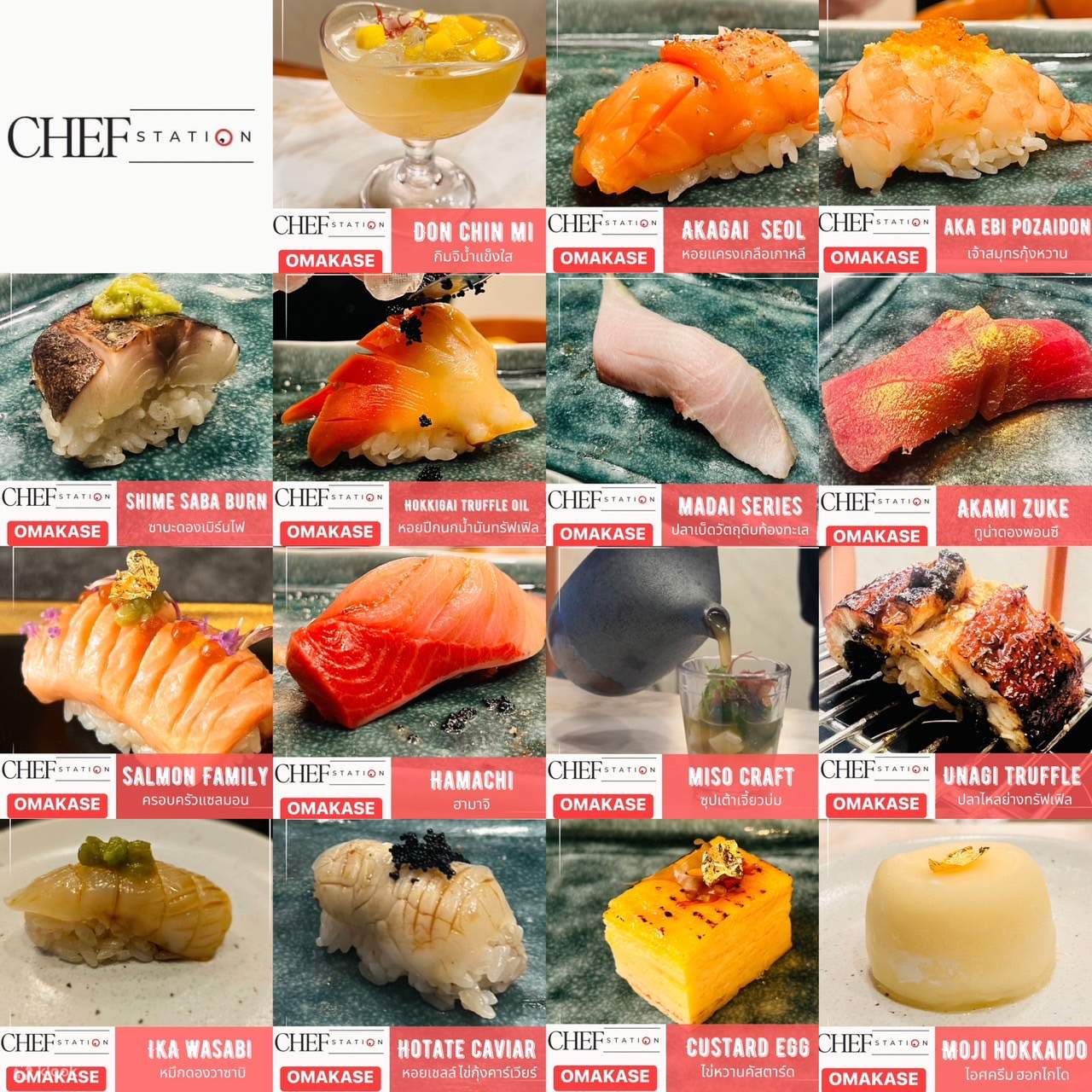
Omakase is more than just a meal; it's an experience rooted in artistry and precision. The sushi chef, or itamae, dedicates years to mastering the skills required to prepare exceptional sushi. Their expertise extends beyond simply slicing fish; it involves understanding the nuances of each ingredient, from the texture and flavor profile of different types of fish to the perfect temperature and seasoning of the rice. The itamae carefully selects each piece, considering its origin, freshness, and how it complements the other components of the meal. This level of attention to detail requires a deep understanding of Japanese culinary tradition and a commitment to excellence.
The artistry extends to the presentation as well. Each course in an Omakase menu is thoughtfully arranged, often resembling a miniature work of art. The chef considers the colors, textures, and shapes of the ingredients to create a visually appealing and harmonious composition. This meticulous approach elevates the dining experience, transforming it into a multi-sensory journey that engages both the palate and the eyes.
Furthermore, Omakase is about the interaction between the chef and the diner. The chef observes the diner's reactions, adjusting the pace and offerings based on their preferences and feedback. This personalized approach creates a unique and intimate dining experience, fostering a connection between the chef and the guest.
A Comparison: Omakase Versus Traditional Sushi
While both Omakase and traditional sushi involve expertly prepared seafood and rice, they offer distinct dining experiences. In a traditional sushi restaurant, diners typically order specific items from a menu, allowing them to choose their favorite types of fish and preparations. Omakase, on the other hand, removes the element of choice, placing the diner's trust entirely in the chef's expertise.
Here's a breakdown of the key differences:
Choice: Traditional sushi allows diners to select specific items, while Omakase leaves the selection entirely to the chef.
Menu: Traditional sushi restaurants have extensive menus, while Omakase menus are fluid and depend on the season's best offerings.
Experience: Traditional sushi can be a quick and casual meal, while Omakase is a more immersive and personalized dining experience.
Price: Omakase is generally more expensive than traditional sushi due to the higher quality ingredients, the chef's expertise, and the personalized nature of the experience.
Ingredients: Omakase often features rare and seasonal ingredients not typically found in traditional sushi restaurants.
The Omakase experience allows the chef to showcase their creativity and skill, often introducing diners to new and exciting flavors they might not otherwise have tried. It's an opportunity to expand your culinary horizons and discover the true potential of Japanese cuisine.
Customer Reviews: Real Experiences and Value Perceptions
Customer reviews provide valuable insights into the perceived value of an Omakase experience. While price is a significant factor, diners often consider other aspects, such as the quality of the ingredients, the chef's skill, the ambiance of the restaurant, and the overall service. Many reviewers highlight the exceptional freshness and flavor of the fish, noting that it surpasses the quality of what they typically find in traditional sushi restaurants.
Some common themes emerge from customer reviews:
Ingredient Quality: Diners frequently praise the high quality and freshness of the seafood used in Omakase, emphasizing that it justifies the higher price point.
Chef's Expertise: Many reviewers highlight the chef's skill and creativity, noting that their expertise enhances the dining experience.
Personalized Experience: Diners appreciate the personalized attention and the chef's willingness to cater to their preferences.
Ambiance and Service: The ambiance of the restaurant and the quality of the service contribute significantly to the overall value perception.
Value for Money: While Omakase can be expensive, many diners feel that the overall experience justifies the cost, particularly when considering the quality of the ingredients and the chef's expertise.
However, some reviewers express concerns about the price, particularly if they feel the experience did not meet their expectations. This highlights the importance of researching restaurants and reading reviews before committing to an Omakase meal. Ultimately, the perceived value of Omakase is subjective and depends on individual preferences and expectations.

Omakase Price Variations: From Budget to High-End
The price of Omakase can vary significantly depending on several factors, including the location of the restaurant, the quality of the ingredients, the chef's experience, and the number of courses offered. Understanding these variations can help you find an Omakase experience that fits your budget and preferences.
Budget-Friendly Omakase Options
While Omakase is often associated with high-end dining, budget-friendly options are available. These options typically involve fewer courses, less expensive ingredients, and a more casual setting. Some restaurants offer Omakase lunch specials or smaller tasting menus at a lower price point. These can be a great way to experience the artistry of Omakase without breaking the bank.
Here are some tips for finding budget-friendly Omakase:
Look for lunch specials: Many restaurants offer discounted Omakase menus during lunchtime.
Consider smaller tasting menus: Some restaurants offer shorter Omakase experiences with fewer courses at a lower price.
Explore less expensive neighborhoods: Restaurants in less affluent areas may offer more affordable Omakase options.
Check for promotions and discounts: Keep an eye out for special offers or discounts on Omakase menus.
Visit during off-peak hours: Some restaurants offer lower prices during less busy times.
Even with budget-friendly options, you can still expect high-quality ingredients and expert preparation. These experiences provide a taste of Omakase without the premium price tag.
Mid-Range Omakase Experiences
Mid-range Omakase experiences offer a balance between quality and price. These restaurants typically use high-quality ingredients and employ skilled chefs, but they may not be as extravagant as luxury options. You can expect a more extensive menu with a wider variety of fish and preparations. The ambiance is usually more refined than budget-friendly options, offering a comfortable and enjoyable dining experience.
Mid-range Omakase often includes:
A greater variety of fish, including some more expensive options.
More complex preparations and presentations.
A more formal and refined dining atmosphere.
A larger number of courses.
A higher level of personalized service.
These experiences provide a more comprehensive introduction to the world of Omakase, allowing you to explore a wider range of flavors and techniques. They are an excellent choice for those who appreciate quality and artistry without wanting to spend a fortune.
Luxury Omakase: What to Expect at the Top End
Luxury Omakase represents the pinnacle of the dining experience. These restaurants use the highest quality ingredients, often sourced from around the world, and employ world-renowned chefs with extensive experience and training. The menu is highly personalized, with the chef tailoring each course to the diner's preferences and dietary restrictions. The ambiance is opulent and refined, with impeccable service and attention to detail. Expect to pay a premium for this level of exclusivity and excellence.
Here's what you can expect from a luxury Omakase experience:
Exceptional Ingredients: The freshest and rarest seafood, often flown in daily from Japan and other parts of the world.
World-Class Chefs: Highly skilled and renowned chefs with years of experience in Omakase preparation.
Personalized Service: Attentive and knowledgeable staff who cater to your every need.
Opulent Ambiance: A luxurious and refined dining environment with exquisite decor.
Unique and Innovative Preparations: Creative and innovative dishes that showcase the chef's artistry and skill.
Luxury Omakase is an investment in an unforgettable culinary journey. It's an opportunity to experience the true artistry and precision of Japanese cuisine at its finest.
Finding the Best Omakase Value: A Guide
Finding the best Omakase value requires careful research and consideration. By understanding the factors that influence price and quality, you can make an informed decision and enjoy an exceptional dining experience without overspending.
Researching Restaurants and Reading Reviews
Before committing to an Omakase meal, it's essential to research restaurants and read reviews. Online platforms like Yelp, Google Reviews, and TripAdvisor provide valuable insights into the experiences of other diners. Pay attention to comments about the quality of the ingredients, the chef's skill, the ambiance, and the overall service. Look for restaurants with consistently positive reviews and a reputation for excellence.
Here are some key things to look for in reviews:
Freshness of the fish: Look for comments about the quality and freshness of the seafood.
Chef's skill and creativity: Pay attention to reviews that mention the chef's expertise and innovative preparations.
Ambiance and service: Consider the overall dining atmosphere and the attentiveness of the staff.
Value for money: Read reviews that discuss whether the experience was worth the price.
Consistency: Look for restaurants with consistently positive reviews over a long period.
By carefully analyzing reviews, you can get a better sense of what to expect from an Omakase experience and choose a restaurant that aligns with your preferences and budget.
Understanding Seasonal Availability and Pricing
Seasonal availability plays a significant role in the pricing of Omakase. Certain types of fish are only available during specific times of the year, and their prices tend to be higher due to their rarity and demand. Understanding seasonal ingredients can help you make informed choices and potentially save money. For example, if you're not particularly fond of a specific seasonal fish, you might consider visiting during a different time of year.
Here are some examples of seasonal ingredients and their impact on pricing:
Uni (sea urchin): The price of uni can vary significantly depending on the season and the region it's harvested from.
Toro (tuna belly): Different types of toro are available at different times of the year, with some being more expensive than others.
Salmon: Wild salmon is typically more expensive than farmed salmon and is only available during certain seasons.
Mackerel: The flavor and texture of mackerel vary depending on the season, with some seasons yielding higher quality fish.
By understanding these seasonal variations, you can make more informed decisions about when to visit an Omakase restaurant and potentially save money without sacrificing quality.
Building a Relationship with Your Sushi Chef
Building a relationship with your sushi chef can enhance your Omakase experience and potentially improve the value you receive. By communicating your preferences and dietary restrictions, you allow the chef to tailor the menu to your specific needs. This personalized approach can lead to a more enjoyable and satisfying meal.
Here are some tips for building a relationship with your sushi chef:
Introduce yourself and express your appreciation for their craft.
Communicate your preferences and dietary restrictions clearly.
Ask questions about the ingredients and preparations.
Be open to trying new things and expanding your culinary horizons.
Show your appreciation for the chef's efforts with a genuine compliment.
By fostering a connection with your sushi chef, you can transform your Omakase experience into a truly personalized and memorable culinary journey.
The price of Omakase reflects a complex interplay of factors, from the artistry and skill of the chef to the quality and seasonality of the ingredients. While it can be a significant investment, understanding these factors and conducting thorough research can help you find the best value and enjoy an exceptional dining experience. By considering your budget, preferences, and expectations, you can navigate the world of Omakase with confidence and discover the true meaning of this unique culinary art form. Ultimately, the value of Omakase lies not just in the food itself, but in the entire experience – the artistry, the personalization, and the connection between the chef and the diner. So, the next time you consider indulging in Omakase, remember to weigh these factors carefully and choose an experience that aligns with your culinary aspirations and budget.


Messenger

Back to top