
Dashi broth, a cornerstone of Japanese cuisine, is more than just a soup stock; it's an embodiment of umami, the fifth basic taste that elevates dishes to new heights. This clear, savory broth forms the base for countless Japanese recipes, from the comforting warmth of miso soup to the complex flavors of simmered dishes and noodle broths. Understanding dashi is key to unlocking the authentic taste of Japan. In this comprehensive guide, we'll explore the history, ingredients, preparation, and uses of this essential Japanese culinary staple.

Dashi Broth: An Introduction
What is Dashi Broth?
Dashi is a clear, light-bodied stock used extensively in Japanese cooking. It's prized for its umami-rich flavor, which comes from the natural glutamates and nucleotides present in its ingredients. Unlike Western stocks that often rely on bones and long simmering times, dashi is typically made with just a few key ingredients and requires a relatively short preparation time. The simplicity of dashi belies its profound impact on the overall flavor profile of a dish.
The History of Dashi
The origins of dashi can be traced back to ancient Japan, where the practice of using dried fish and seaweed to enhance the flavor of food was common. The earliest forms of dashi likely involved simply soaking kombu (kelp) in water to extract its umami. As Japanese cuisine evolved, different ingredients and techniques were incorporated, leading to the various types of dashi we know today. The development of dashi is closely linked to the principles of Japanese culinary philosophy, which emphasizes the importance of natural flavors and seasonal ingredients.
Common Ingredients in Dashi
The ingredients used to make dashi are carefully selected for their umami content and ability to create a balanced, harmonious flavor. The most common ingredients include:
- Kombu (Kelp): A type of seaweed that is rich in glutamate, an amino acid responsible for umami. Kombu provides a subtle sweetness and depth of flavor to dashi.
- Katsuobushi (Dried Bonito Flakes): Thin shavings of fermented and smoked skipjack tuna. Katsuobushi is high in inosinate, a nucleotide that enhances the umami of glutamate.
- Dried Shiitake Mushrooms: These mushrooms are another source of glutamate and add a earthy, savory note to dashi.
- Iriko (Dried Anchovies or Sardines): Small dried fish that contribute a strong, fishy flavor to dashi. Iriko dashi is commonly used in regional Japanese cuisines.
The combination of these ingredients creates a synergistic effect, where the umami compounds work together to produce a more intense and complex flavor than any single ingredient could achieve on its own. The art of making dashi lies in understanding how to balance these ingredients to create the perfect umami-rich broth.
How to Make Dashi Broth
Making dashi at home is a simple process that requires only a few ingredients and minimal effort. There are several variations of dashi, each with its unique flavor profile. Here are three popular recipes:
Awase Dashi Recipe
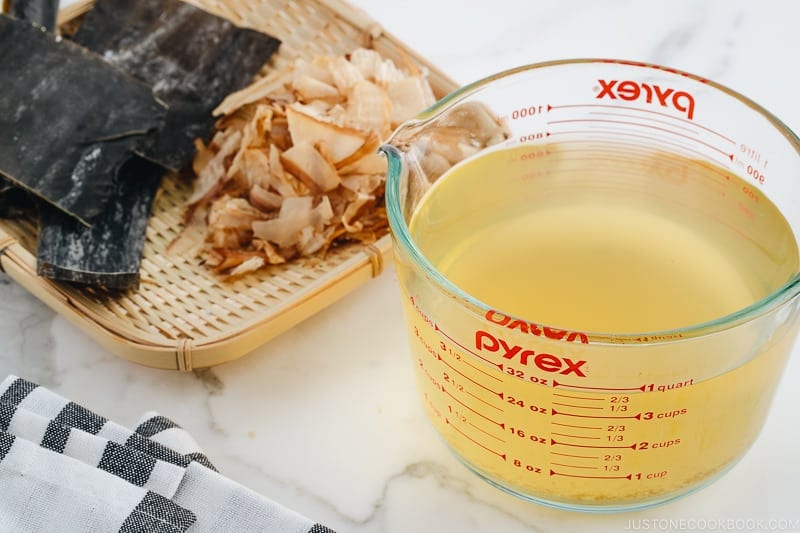
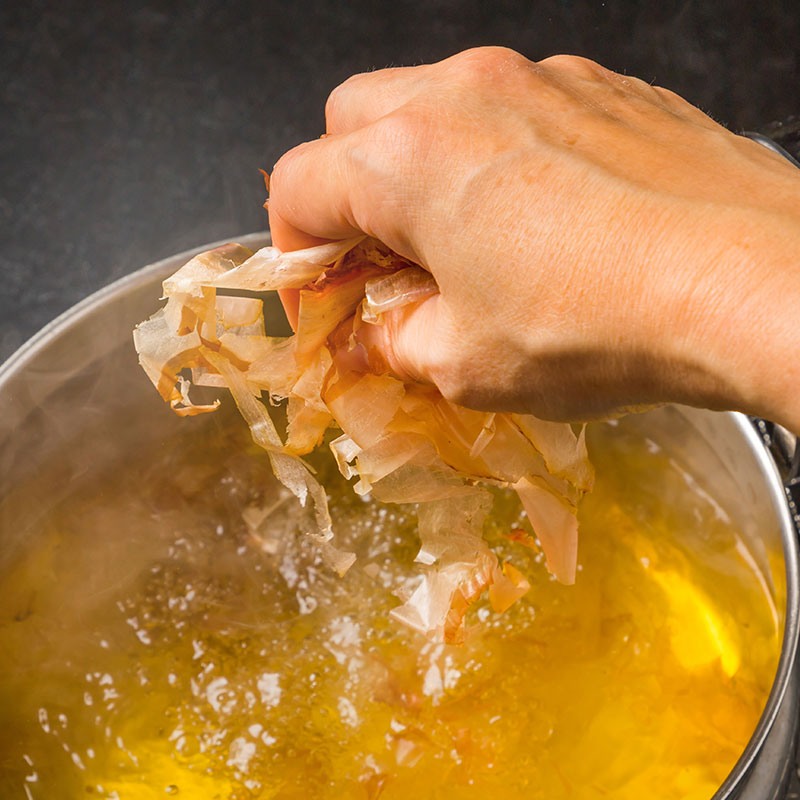
Awase dashi, meaning “combined dashi,” is the most common type and uses both kombu and katsuobushi. This dashi offers a balanced umami flavor that is suitable for a wide range of dishes.
Ingredients:
- 4 cups of water
- 1 piece of kombu (about 4x4 inches)
- 1 cup of katsuobushi
Instructions:
Your awase dashi is now ready to use. It should have a clear, light color and a rich, savory aroma. This versatile broth can be used as a base for soups, sauces, and simmered dishes.
Kombu Dashi Recipe
Kombu dashi is a vegetarian and vegan-friendly option that relies solely on kombu for its umami flavor. This dashi has a subtle sweetness and is often used in delicate dishes where a strong fish flavor is not desired.
Ingredients:
- 4 cups of water
- 1 piece of kombu (about 4x4 inches)
Instructions:
Kombu dashi is a simple yet flavorful broth that is perfect for vegetarian and vegan dishes. It can also be used as a base for more complex dashi variations.
Tips for making Kombu Dashi:
- For a stronger flavor, soak the kombu overnight in the refrigerator.
- You can reuse the kombu to make a second, weaker dashi.
- Kombu dashi can be stored in the refrigerator for up to 3 days or frozen for up to 1 month.
Shiitake Dashi Recipe
Shiitake dashi is another vegetarian option that uses dried shiitake mushrooms to create a rich, earthy flavor. This dashi is often used in dishes that benefit from a more robust flavor profile.
Ingredients:
- 4 cups of water
- 4-5 dried shiitake mushrooms
Instructions:
Shiitake dashi has a deep, earthy flavor that is perfect for vegetarian and vegan dishes. It can also be used to add depth and complexity to meat-based dishes.
Tips for making Shiitake Dashi:
- Use high-quality dried shiitake mushrooms for the best flavor.
- Soaking the mushrooms for a longer period will result in a more flavorful dashi.
- You can reuse the soaked shiitake mushrooms in stir-fries, soups, or simmered dishes.
Using Dashi Broth in Cooking
Dashi broth is a versatile ingredient that can be used in a wide variety of Japanese dishes. Its umami-rich flavor enhances the taste of everything it touches.
Miso Soup
Miso soup is perhaps the most well-known application of dashi. The combination of dashi and miso paste creates a savory, comforting soup that is a staple of Japanese cuisine.
Ingredients:
- 4 cups of dashi
- 2-3 tablespoons of miso paste
- Tofu, wakame seaweed, and green onions for garnish
Instructions:
Miso soup is a simple yet satisfying dish that is packed with flavor and nutrients. It's a perfect way to start a meal or enjoy a light lunch.
Noodle Dishes
Dashi is an essential component of many Japanese noodle dishes, including udon, soba, and ramen. The broth provides a flavorful base that complements the noodles and other ingredients.
Udon: Udon noodles are thick, chewy wheat noodles that are often served in a hot dashi broth with toppings such as tempura, tofu, and vegetables.
Soba: Soba noodles are thin, buckwheat noodles that can be served hot or cold. Hot soba is typically served in a dashi broth, while cold soba is often served with a dipping sauce made from dashi, soy sauce, and mirin.
Ramen: While ramen broth is often made with pork or chicken bones, dashi can be used to add depth and complexity to the flavor. Many ramen recipes call for a combination of dashi and other broths.
To use dashi in noodle dishes, simply heat the dashi and add it to the cooked noodles along with your desired toppings. You can also add soy sauce, mirin, and other seasonings to adjust the flavor to your liking. The subtle umami of the dashi enhances the overall taste of the noodles and creates a satisfying and flavorful meal.
Simmered Dishes
Dashi is frequently used in simmered dishes, known as nimono, to impart flavor and moisture to the ingredients. The dashi broth gently cooks the ingredients, allowing them to absorb the umami-rich flavor.
Examples of simmered dishes that use dashi:
- Nikujaga: A classic Japanese dish of simmered beef, potatoes, and onions in a sweet and savory dashi broth.
- Oden: A one-pot dish of various ingredients such as daikon radish, fish cakes, and boiled eggs simmered in a light dashi broth.
- Simmered Vegetables: Dashi can be used to simmer a variety of vegetables, such as carrots, burdock root, and lotus root, to create a flavorful and healthy side dish.
To make simmered dishes with dashi, simply combine the dashi with soy sauce, mirin, and other seasonings in a pot. Add the ingredients you want to simmer and bring the mixture to a gentle simmer. Cook until the ingredients are tender and have absorbed the flavor of the broth. Dashi adds a delicate yet complex flavor to simmered dishes, making them a delicious and nutritious part of the Japanese culinary landscape.
Dashi broth is an indispensable ingredient in Japanese cuisine, prized for its umami-rich flavor and versatility. Whether used as a base for miso soup, a component of noodle dishes, or a simmering liquid for vegetables and meats, dashi elevates the taste of any dish it graces. By understanding the history, ingredients, and preparation methods of dashi, you can unlock the secrets to authentic Japanese cooking and create delicious, flavorful meals at home. Embrace the art of making dashi and discover the profound impact it can have on your culinary creations. Mastering dashi preparation unlocks a world of Japanese flavors, making it a skill well worth acquiring for any home cook.


Messenger

Back to top