
Bún bò Huế, a spicy noodle soup originating from the city of Hue in Central Vietnam, is a culinary masterpiece that tantalizes taste buds with its complex flavors and aromatic spices. More than just a dish, it's a cultural icon, deeply rooted in the history and traditions of the region. This vibrant soup, characterized by its rich broth, tender beef, and chewy rice noodles, has gained international acclaim, captivating food enthusiasts around the globe. From its humble beginnings as a local specialty to its current status as a celebrated Vietnamese export, bún bò Huế offers a fascinating glimpse into the culinary heritage of Vietnam. This article delves into the history, ingredients, preparation, and global popularity of this iconic dish, providing a comprehensive guide for both seasoned gourmands and curious newcomers.


Bun Bo Hue: A Culinary Journey to Central Vietnam
The Rich History and Origins of Bun Bo Hue
The story of bún bò Huế is intertwined with the history of Hue, the former imperial capital of Vietnam. During the Nguyen Dynasty (1802-1945), Hue was the political, cultural, and culinary center of the country. The royal court demanded refined and sophisticated cuisine, leading to the development of many iconic Vietnamese dishes, including bún bò Huế.
While the exact origins are debated, many believe that bún bò Huế evolved from a simpler noodle soup called *bún riêu*, which featured freshwater crabs. Over time, the dish was refined with the addition of beef, pork, and a complex blend of spices, reflecting the region's rich agricultural resources and culinary creativity.
The name "bún bò Huế" itself provides clues to its origins. "Bún" refers to the round rice vermicelli noodles used in the soup, while "bò" means beef. "Huế" clearly indicates the dish's geographical origin. The dish was initially enjoyed by the royal family and the elite, gradually becoming a popular street food enjoyed by people from all walks of life. Today, bún bò Huế is not only a beloved dish in Vietnam but also a global culinary phenomenon, celebrated for its unique flavors and cultural significance.

Key Ingredients That Define Authentic Bun Bo Hue
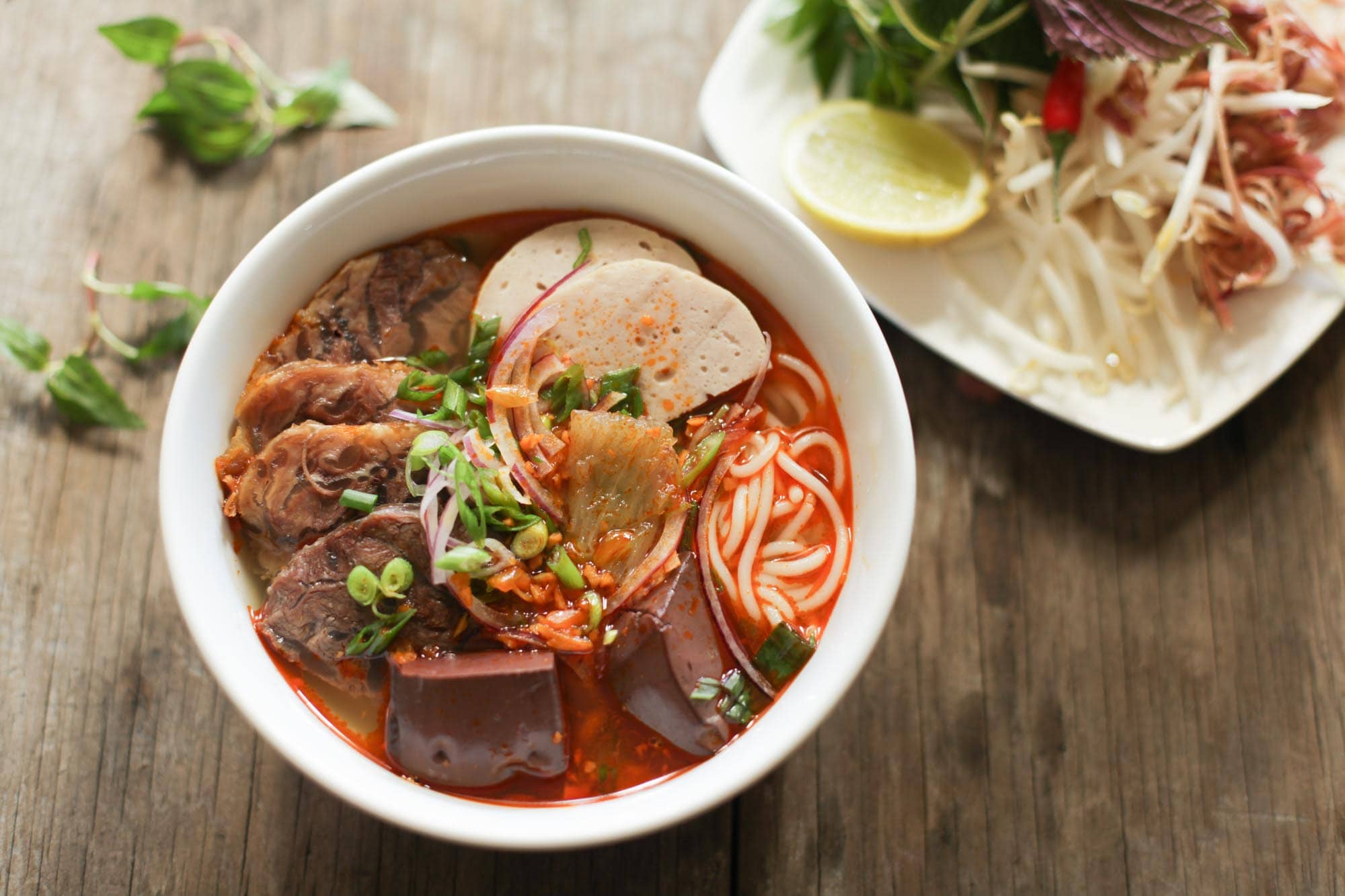
Authenticity in bún bò Huế hinges on a delicate balance of ingredients, each contributing to the soup's distinctive flavor profile. The key components include:
- Beef: Typically, beef shank or brisket is used, providing a rich and savory base for the broth.
- Pork: Pork knuckles or pork hock add depth and collagen to the broth, enhancing its texture and flavor.
- Lemongrass: Aromatic lemongrass is essential for its citrusy and slightly sweet notes, infusing the broth with its characteristic fragrance.
- Shrimp paste: Fermented shrimp paste (*mắm ruốc*) adds a pungent and umami flavor, contributing to the soup's complexity.
- Chili oil: Annatto oil infused with chili peppers provides the signature red hue and spicy kick, essential for an authentic experience.
- Rice vermicelli noodles: Thick, round rice vermicelli noodles (*bún*) are the foundation of the dish, offering a satisfying chewiness.
- Blood cake: Cubes of cooked pig's blood add a unique texture and earthy flavor, although this ingredient may not be for everyone.
- Herbs and vegetables: Fresh herbs like mint, cilantro, and Vietnamese coriander, along with sliced banana blossoms and bean sprouts, provide freshness and aromatic complexity.
The meticulous selection and preparation of these ingredients are crucial for achieving the authentic taste of bún bò Huế. The quality of the ingredients directly impacts the final flavor of the dish, making it essential to source fresh, high-quality components.
Regional Variations and Modern Interpretations
While the core elements of bún bò Huế remain consistent, regional variations and modern interpretations have emerged over time. In Hue itself, subtle differences can be found from one vendor to another, with each family or restaurant guarding its own unique recipe. Some variations may include the addition of different types of meat, such as crab balls or cha lua (Vietnamese sausage), while others may adjust the level of spiciness to suit local preferences.
Outside of Hue, chefs have experimented with modern interpretations of bún bò Huế, incorporating new ingredients or techniques to create innovative versions of the dish. Some restaurants may offer vegetarian or vegan options, substituting meat with tofu or mushrooms. Others may experiment with different types of noodles or broths, pushing the boundaries of traditional bún bò Huế while still paying homage to its origins.
Despite these variations, the essence of bún bò Huế remains unchanged: a flavorful and aromatic noodle soup that embodies the culinary spirit of Central Vietnam. Whether enjoyed in its traditional form or in a modern interpretation, bún bò Huế continues to captivate diners with its unique taste and cultural significance.
:max_bytes(150000):strip_icc()/Bun-bo-Hue-Vietnamese-Vermicelli-Noodle-Soup-with-Sliced-Beef-XL-RECIPE0423-47194f9a6efb4695ac72c76798f6aa64.jpg)
How to Make Authentic Bun Bo Hue At Home
Gathering the Essential Ingredients and Tools
Creating authentic bún bò Huế at home requires careful planning and preparation. Gathering the necessary ingredients and tools is the first crucial step. Here's a comprehensive checklist:
- Beef shank or brisket: Provides the meaty base for the broth.
- Pork knuckles or hock: Adds richness and collagen to the broth.
- Beef bones: Enhance the depth of flavor in the broth.
- Lemongrass: Essential for its citrusy aroma.
- Shrimp paste (*mắm ruốc*): Contributes umami and complexity.
- Annatto seeds: Provide the signature red color for the chili oil.
- Dried chilies: Add spiciness to the chili oil.
- Fish sauce: An essential Vietnamese condiment for savory flavor.
- Sugar: Balances the flavors in the broth.
- Salt: Enhances the overall taste.
- Round rice vermicelli noodles (*bún*): The foundation of the dish.
- Blood cake (optional): Adds a unique texture and flavor.
- Banana blossoms: Provide a crunchy texture and subtle sweetness.
- Bean sprouts: Add freshness and crunch.
- Fresh herbs: Mint, cilantro, and Vietnamese coriander for aromatic complexity.
In addition to the ingredients, you'll need several essential tools:
- Large stockpot: For simmering the broth.
- Skimmer: To remove impurities from the broth.
- Mortar and pestle: For grinding spices.
- Fine-mesh strainer: For straining the broth.
- Large bowls: For serving the soup.
With all the ingredients and tools at hand, you're ready to embark on the journey of creating authentic bún bò Huế in your own kitchen.
Step-by-Step Guide to Preparing the Broth
The heart of bún bò Huế lies in its rich and flavorful broth. Preparing the broth is a multi-step process that requires patience and attention to detail. Here's a step-by-step guide:
With the broth and chili oil prepared, you're one step closer to enjoying a delicious bowl of homemade bún bò Huế.
Assembling and Serving the Perfect Bowl
The final step in creating bún bò Huế is assembling and serving the perfect bowl. This is where you can customize the dish to your own preferences and create a truly satisfying culinary experience. Here's how to do it:
Enjoy your homemade bún bò Huế! The combination of the flavorful broth, tender meat, chewy noodles, and fresh herbs creates a symphony of flavors and textures that will transport you to the streets of Hue.
Where to Find the Best Bun Bo Hue Around the World
Top-Rated Restaurants in Hue, Vietnam
For the most authentic bún bò Huế experience, there's no place like Hue, Vietnam. The city is teeming with restaurants and street vendors serving up this iconic dish, each with its own unique take on the recipe. Here are some of the top-rated restaurants in Hue:
- Bun Bo Hue Ba Cam: Renowned for its rich and flavorful broth, this restaurant is a local favorite.
- Bun Bo Hue O Cuong: Known for its generous portions and authentic ingredients.
- Bun Bo Hue Me Keo: A popular spot with a long history of serving delicious bún bò Huế.
- Bun Bo Hue Dong Ba Market: Located in the bustling Dong Ba Market, this stall offers a classic and affordable version of the dish.
Exploring the various bún bò Huế establishments in Hue is a culinary adventure in itself. Be sure to try different versions of the dish to discover your own personal favorite.
Hidden Gems and Local Favorites
Beyond the well-known restaurants, Hue is also home to many hidden gems and local favorites that offer a more intimate and authentic bún bò Huế experience. These smaller, family-run establishments often use traditional recipes passed down through generations, resulting in a truly unique and memorable dish.
To find these hidden gems, venture off the beaten path and explore the smaller streets and alleys of Hue. Ask locals for recommendations, as they often know the best-kept secrets. Be prepared to embrace the local culture and immerse yourself in the authentic atmosphere of these family-run establishments.
Bun Bo Hue Beyond Vietnam: International Hotspots
The popularity of bún bò Huế has spread far beyond Vietnam, with restaurants around the world now offering their own versions of this iconic dish. From the bustling streets of New York City to the vibrant neighborhoods of Sydney, you can find bún bò Huế in many international hotspots.
Some of the most popular international destinations for bún bò Huế include:
- United States: Major cities like New York, Los Angeles, and San Francisco have numerous Vietnamese restaurants serving bún bò Huế.
- Australia: Sydney and Melbourne boast a thriving Vietnamese food scene, with many restaurants specializing in bún bò Huế.
- Canada: Vancouver and Toronto are home to a diverse range of Vietnamese restaurants, offering authentic and innovative versions of bún bò Huế.
- Europe: Paris, London, and Berlin have a growing number of Vietnamese restaurants serving bún bò Huế to a discerning clientele.
When seeking out bún bò Huế in these international hotspots, look for restaurants that prioritize authenticity and use high-quality ingredients. Read online reviews and ask for recommendations from fellow food enthusiasts to find the best bún bò Huế experience in your area.
In conclusion, bun bo hue’s rich history, complex flavors, and cultural significance have solidified its place as a beloved Vietnamese dish around the world. Whether you're exploring the streets of Hue or seeking out international hotspots, experiencing authentic bun bo hue is a culinary adventure worth undertaking. From its humble beginnings to its global acclaim, this iconic soup continues to captivate diners with its unique taste and cultural heritage.


Messenger

Back to top