
Bonito flakes, also known as katsuobushi, are a staple ingredient in Japanese cuisine, celebrated for their unique umami flavor and versatility. These delicate, paper-thin shavings of dried, fermented, and smoked skipjack tuna add depth and complexity to a wide array of dishes. From being a key component in dashi, the foundational broth of Japanese cooking, to acting as a flavorful topping for dishes like okonomiyaki and takoyaki, bonito flakes are indispensable in the culinary world. Let's delve into the fascinating world of bonito flakes, exploring their production, nutritional benefits, flavor profile, and diverse applications.
:max_bytes(150000):strip_icc()/bonitoflakesY-Studio-e9e39fd0940049d0b11c1bba13cfdcde.jpg)
What Are Bonito Flakes?
Bonito flakes, or katsuobushi, are made from skipjack tuna (Katsuwonus pelamis). The process of creating these flakes is a time-honored tradition, involving several stages of drying, smoking, and fermentation. This meticulous process not only preserves the fish but also develops its distinctive flavor.
Production and preparation of bonito flakes
The production of bonito flakes is a multi-step process that can take several months to complete:
The result is a hard, wood-like block of fish that, when shaved, produces the delicate, flavorful flakes known as bonito flakes.
Nutritional profile of bonito flakes
Bonito flakes are not only flavorful but also nutritious. They are a good source of protein, essential amino acids, and minerals. Here's a brief overview of their nutritional benefits:
- Protein: Bonito flakes are high in protein, essential for muscle building and repair.
- Amino Acids: They contain all essential amino acids, making them a complete protein source.
- Minerals: Bonito flakes are rich in minerals such as iron, niacin, and potassium, which are important for various bodily functions.
- Low in Fat: They are relatively low in fat, making them a healthy addition to various diets.
However, it's worth noting that bonito flakes can be high in sodium, especially if they are used in large quantities or in combination with other salty ingredients.
Culinary uses around the world
While bonito flakes are most commonly associated with Japanese cuisine, their unique flavor profile has found its way into various culinary traditions around the world.
- Japan: In Japan, bonito flakes are used extensively in dashi, as a topping for dishes like okonomiyaki, takoyaki, and cold tofu (hiyayakko), and as an ingredient in rice balls (onigiri).
- Korea: In Korean cuisine, bonito flakes are sometimes used in soups and stews to add umami flavor.
- Western Cuisine: Some chefs in Western countries have started experimenting with bonito flakes, using them to add depth of flavor to sauces, soups, and even salads.
The versatility of bonito flakes makes them a valuable ingredient for anyone looking to add a touch of umami to their dishes. Their application extends beyond traditional dishes, fitting well into modern culinary experimentation.
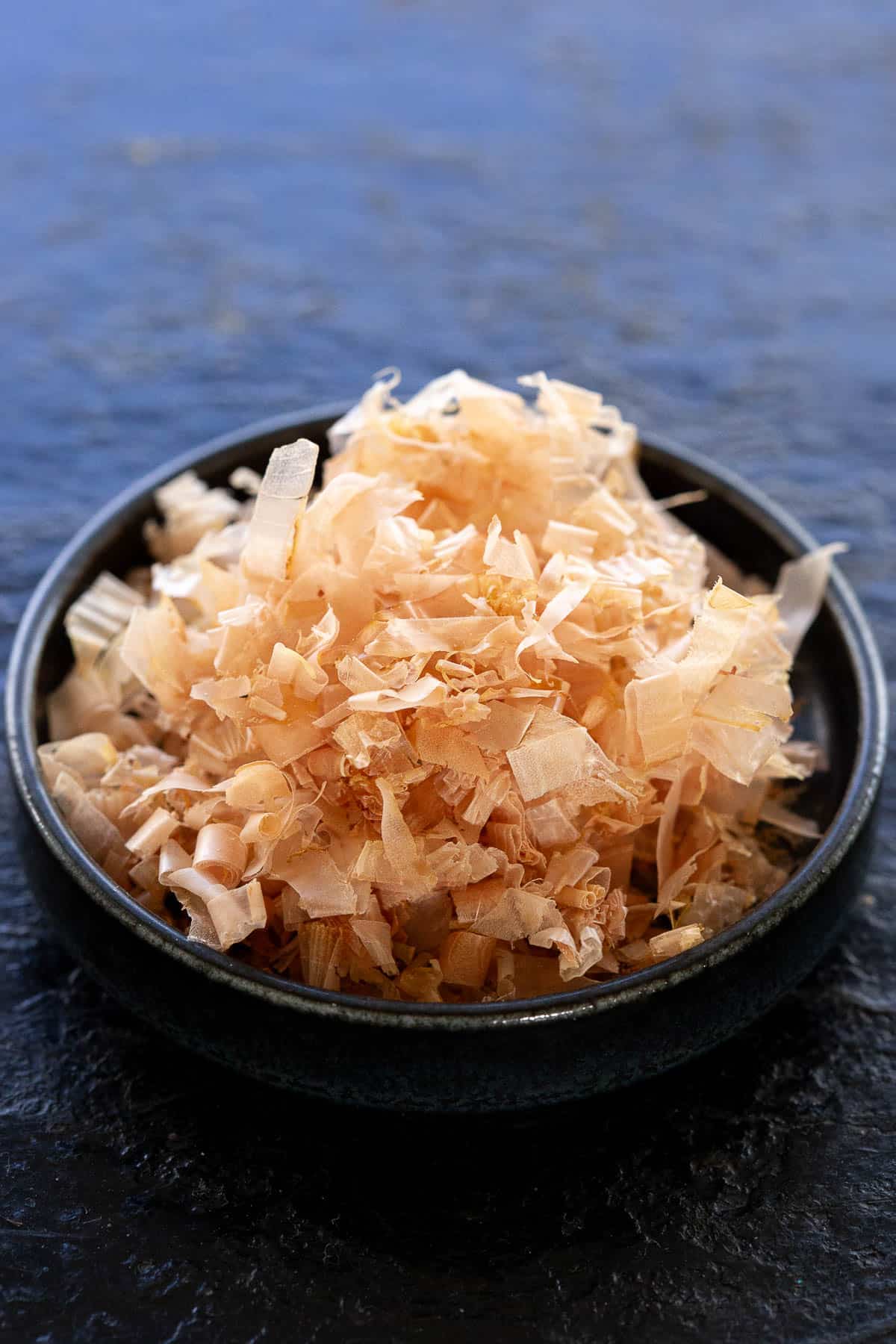
The Flavor and Texture of Bonito Flakes
The distinct flavor and texture of bonito flakes are what make them so unique and desirable in cooking. The umami-rich taste, combined with their delicate, paper-thin texture, adds a special touch to any dish.
Umami and the taste of bonito
Umami, often described as the fifth taste, is a savory flavor that is distinct from sweet, sour, salty, and bitter. It is often associated with foods that contain high levels of glutamate, an amino acid that naturally occurs in many foods, including fish, meat, and vegetables. Bonito flakes are particularly rich in umami due to the fermentation process they undergo.
During fermentation, the proteins in the skipjack tuna are broken down into amino acids, including glutamate. This process intensifies the umami flavor, giving bonito flakes their characteristic savory taste. The taste of bonito is often described as a combination of smoky, savory, and slightly fishy, with a depth of flavor that is hard to replicate with other ingredients.
The umami in bonito flakes not only enhances the flavor of dishes but also has a synergistic effect when combined with other umami-rich ingredients, such as soy sauce, seaweed, and mushrooms. This synergy creates a more complex and satisfying flavor profile, making bonito flakes an essential component of many Japanese dishes.
Texture: Paper-thin and delicate
The texture of bonito flakes is just as important as their flavor. The flakes are paper-thin and delicate, almost translucent, which allows them to melt on the tongue and release their flavor quickly. This fine texture is achieved through the shaving process, using a specialized tool that produces uniform, thin shavings.
When used as a topping, bonito flakes have a visually appealing effect, as they tend to "dance" or move slightly due to the heat rising from the dish. This adds a dynamic element to the presentation of the food, making it more enticing.
The delicate texture also means that bonito flakes can be easily incorporated into a variety of dishes without overpowering other ingredients. They add a subtle yet distinct flavor and texture that complements rather than dominates the overall taste.
How smoking impacts the flavor
Smoking is a critical step in the production of bonito flakes, and it has a significant impact on their flavor. The smoking process not only helps to dry and preserve the fish but also infuses it with smoky notes that add depth and complexity to its flavor.
The type of wood used for smoking can also affect the final flavor of the bonito flakes. Oak is a commonly used wood, imparting a mild, slightly sweet smoky flavor. Other hardwoods, such as cherry or applewood, may also be used, each adding its unique flavor notes.
The combination of smoking and fermentation creates a unique flavor profile that is both savory and complex. The impact of smoking enhances the umami flavor and adds a layer of depth that is not found in other types of dried fish. This makes bonito flakes a truly special ingredient that is prized for its distinct taste and aroma.
How to Use Bonito Flakes in Cooking
Bonito flakes are incredibly versatile and can be used in a wide variety of dishes to add umami flavor and texture. From classic Japanese dishes to modern culinary creations, there are countless ways to incorporate these flavorful flakes into your cooking.
Classic Japanese dishes featuring bonito flakes
Bonito flakes are an essential ingredient in many classic Japanese dishes:
- Dashi: Dashi is a foundational broth in Japanese cuisine, and bonito flakes are one of the key ingredients. The broth is used in miso soup, noodle dishes, and simmered dishes.
- Okonomiyaki: This savory pancake is topped with a generous amount of bonito flakes, which add flavor and visual appeal.
- Takoyaki: These octopus-filled balls are another popular street food that is typically garnished with bonito flakes.
- Hiyayakko: Cold tofu is often topped with bonito flakes, along with soy sauce, ginger, and green onions.
- Onigiri: Rice balls are sometimes filled or topped with bonito flakes for added flavor.
These dishes showcase the versatility of bonito flakes and their ability to enhance the flavor of a wide range of Japanese cuisine.
Bonito flakes as a topping or garnish
One of the simplest ways to use bonito flakes is as a topping or garnish. Their delicate texture and umami flavor make them a perfect addition to many dishes.
- Tofu: Sprinkle bonito flakes over tofu for a quick and easy flavor boost.
- Vegetables: Use them as a garnish for steamed or stir-fried vegetables.
- Noodles: Add bonito flakes to noodle dishes like udon or soba for extra flavor.
- Rice: Sprinkle them over rice for a simple and satisfying meal.
- Salads: Use them as a topping for salads to add a savory element.
When using bonito flakes as a topping, it's best to add them just before serving to preserve their texture and flavor. The heat from the dish will cause the flakes to "dance," adding a visually appealing element to the presentation.
Making dashi: Bonito flakes broth
Dashi is a simple yet flavorful broth that is the foundation of many Japanese dishes. Bonito flakes are one of the key ingredients, along with kombu (dried kelp). Here's a basic recipe for making dashi:
The resulting broth is clear, light, and full of umami flavor. It can be used as a base for miso soup, noodle dishes, and simmered dishes, or as a flavorful liquid for cooking rice or vegetables.
Bonito flakes are a versatile and flavorful ingredient that can add a unique touch to a wide range of dishes. Whether you're using them to make dashi, topping off okonomiyaki, or simply sprinkling them over tofu, these delicate flakes are sure to enhance the flavor and presentation of your culinary creations. Their rich umami flavor and delicate texture make them a prized ingredient in Japanese cuisine and beyond. Explore the many ways to incorporate bonito flakes into your cooking and discover the best budget laptop for students they can bring to your meals.


Messenger

Back to top