
The bento, a single-portion packed meal common in Japanese cuisine, is more than just a lunchbox; it's a cultural icon. Originating centuries ago, it has evolved into an art form, reflecting Japanese values of aesthetics, balance, and practicality. From simple homemade lunches to elaborate creations, bento boxes showcase a dedication to detail and a love for food. This article explores the history, styles, and enduring appeal of the bento, offering insights into why it remains a beloved tradition both in Japan and around the world.

What is Bento?
A bento (弁当, bentō) is a Japanese-style packed lunch, often containing rice, fish or meat, and pickled or cooked vegetables in a box. It is a staple in Japanese culture, found everywhere from convenience stores to high-end restaurants. The bento is not just about sustenance; it is about presentation, balance, and thoughtfulness. Each element is carefully chosen and arranged to create a visually appealing and nutritionally complete meal.
The History of Bento
The history of the bento dates back to the late 12th century, during the Kamakura period. Dried cooked rice, called hoshi-ii (糒 or 干し飯), was developed and carried in small bags. This early form of bento was primarily for travelers and hunters who needed a convenient and portable food source.
In the Azuchi-Momoyama period (1568–1600), bento boxes made of lacquered wood appeared. These were often used during hanami (flower viewing) parties and tea ceremonies, showcasing the growing sophistication of Japanese cuisine and dining customs.
During the Edo period (1603–1868), the bento culture flourished. Travelers carried simple koshibento (腰弁当), consisting of rice balls wrapped in bamboo leaves, while wealthier individuals enjoyed more elaborate meals in ornate boxes. Cookbooks from this era detailed how to prepare and arrange bento, highlighting its increasing importance in daily life.
The Meiji period (1868–1912) saw the introduction of the school bento. As schools became more widespread, students began bringing lunches from home. The first ekiben (駅弁), or train station bento, were also sold during this time, providing travelers with a convenient meal option on long journeys.
In the modern era, the bento has continued to evolve. The introduction of aluminum bento boxes in the early 20th century made them easier to clean and more durable. After World War II, the popularity of bento declined as school lunch programs became more common. However, the bento experienced a resurgence in the 1980s, fueled by the increasing number of working women and a renewed interest in healthy eating. Today, the bento is an integral part of Japanese culture, reflecting a blend of tradition and innovation.
Different Styles of Bento
The world of bento encompasses a wide variety of styles, each with its own unique characteristics and purposes. Here are some of the most popular types of bento:
- Kyaraben (キャラクター弁当): Also known as character bento, kyaraben are elaborately decorated to resemble popular characters from anime, manga, and video games.
- Makunouchi Bento (幕の内弁当): This classic bento typically includes rice, grilled fish, tamagoyaki (rolled omelet), kamaboko (fish cake), and various pickled vegetables.
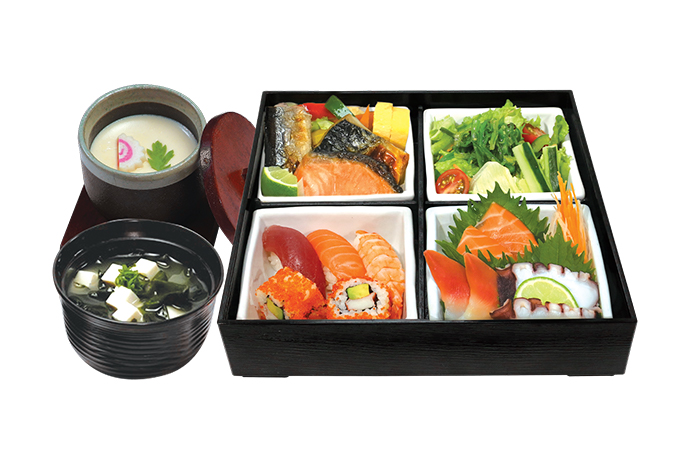
- Shokado Bento (松花堂弁当): A high-end bento served in a square lacquered box with compartments, often featuring seasonal ingredients and refined presentation.
- Ekiben (駅弁): Sold at train stations, ekiben feature local specialties and are designed to be enjoyed on long train rides.
- Noriben (海苔弁): A simple bento consisting of rice covered with a sheet of nori seaweed, often topped with a fried fish or chicken.
Bento Around the World
While the bento originated in Japan, its popularity has spread around the world. In many countries, the bento box is appreciated for its practicality, aesthetic appeal, and emphasis on healthy eating.
In the United States, bento boxes have gained traction as a convenient and customizable lunch option. Parents often pack bento-style lunches for their children, incorporating a variety of fruits, vegetables, and protein sources. The bento's focus on portion control and balanced nutrition aligns with growing health consciousness.
In Europe, the bento has been embraced as a stylish and eco-friendly alternative to traditional lunch containers. Many individuals appreciate the bento's ability to keep food fresh and organized, while also reducing waste. The aesthetic appeal of the bento also resonates with those who value design and presentation.
In other parts of Asia, the bento has influenced local lunchbox traditions. In South Korea, for example, dosirak (도시락) are similar to bento boxes and often include rice, kimchi, and various side dishes. The bento's emphasis on variety and balance has made it a popular choice for school lunches and picnics.
Why is Bento Popular?
The enduring popularity of the bento can be attributed to a number of factors, including its convenience, nutritional balance, and aesthetic appeal. These elements combine to create a unique and satisfying dining experience that resonates with people of all ages and backgrounds.
Convenience and Portability
One of the primary reasons for the bento's popularity is its convenience and portability. The bento is designed to be easily transported, making it an ideal choice for individuals who are on the go. Whether you're a student, a working professional, or a traveler, the bento provides a hassle-free way to enjoy a homemade meal anytime, anywhere.
The compact size of the bento box makes it easy to fit into a backpack, briefcase, or tote bag. This portability allows individuals to enjoy a nutritious meal without having to rely on fast food or expensive restaurant options. The bento is also a great way to reduce waste, as it eliminates the need for disposable containers and packaging.
Nutritional Balance and Portion Control
The bento is not only convenient but also promotes nutritional balance and portion control. A well-planned bento typically includes a variety of food groups, such as carbohydrates, proteins, and vegetables, ensuring that you receive a balanced and nutritious meal. The bento box's compartments also make it easy to control portion sizes, helping you to avoid overeating.
By packing your own bento, you have complete control over the ingredients and nutritional content of your meal. This allows you to choose healthy and wholesome foods that align with your dietary needs and preferences. The bento is also a great way to incorporate more fruits and vegetables into your diet, as these can be easily added to the bento box.
Aesthetic Appeal and Creativity
In addition to its practical benefits, the bento is also celebrated for its aesthetic appeal and creativity. The art of bento involves carefully arranging the food in the box to create a visually pleasing and appetizing meal. This attention to detail reflects the Japanese emphasis on aesthetics and presentation.
Many bento enthusiasts take pride in creating elaborate and artistic bento boxes. Kyaraben, or character bento, are a popular example of this creativity, featuring intricate designs that resemble popular characters from anime, manga, and video games. The bento provides a canvas for culinary creativity, allowing individuals to express their artistic talents and create truly unique and memorable meals.
How to Make a Bento Box
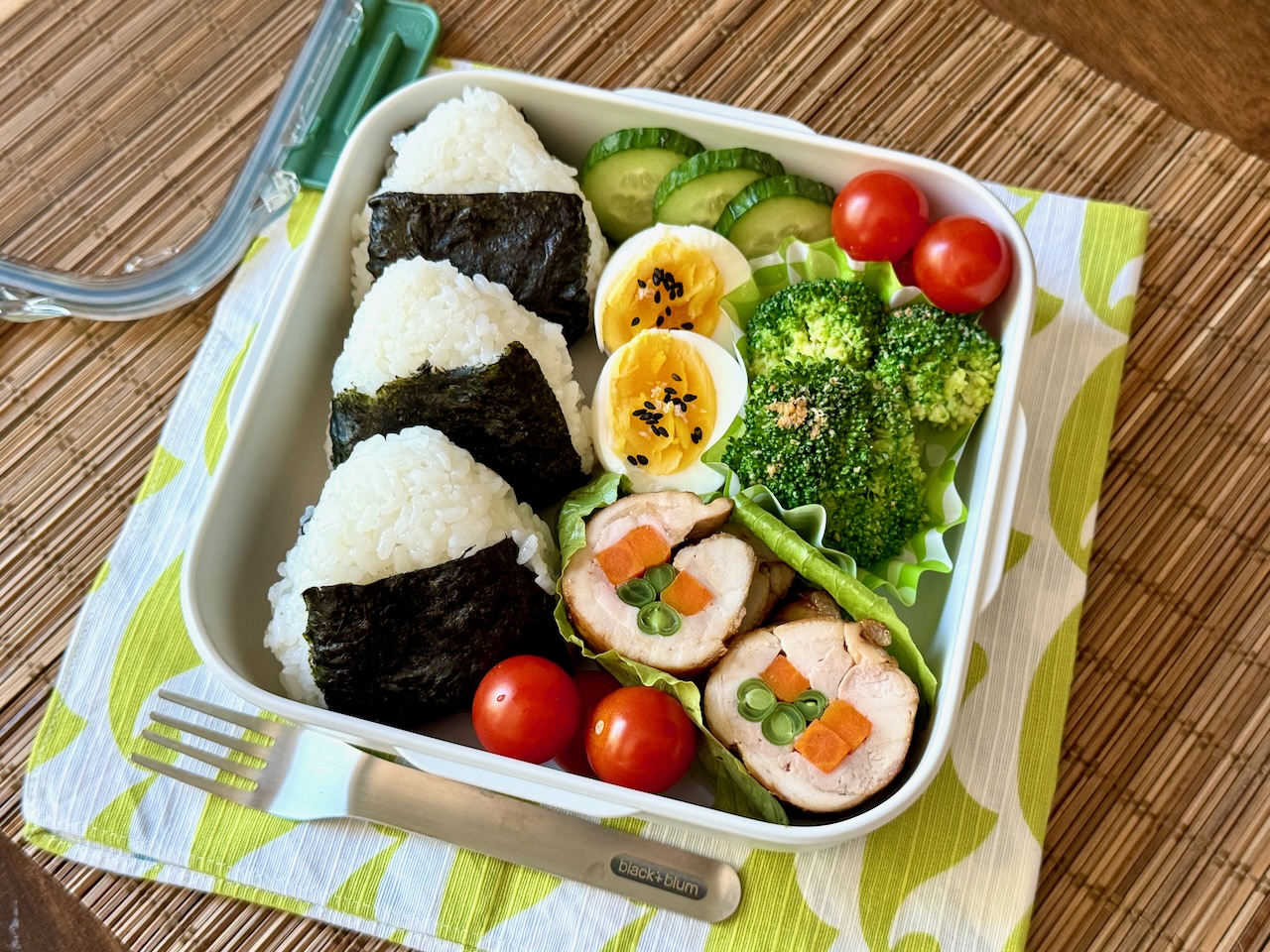
Creating your own bento box is a fun and rewarding experience. Whether you're a beginner or an experienced cook, there are plenty of ways to create delicious and visually appealing bento meals. Here are some tips and recipes to get you started:
Essential Bento Box Equipment
Before you start making bento boxes, it's important to have the right equipment. Here are some essential items you'll need:
- Bento Box: Choose a bento box that is the right size and shape for your needs. Bento boxes come in a variety of materials, including plastic, metal, and wood.
- Rice Cooker: A rice cooker is essential for making perfectly cooked rice, which is a staple in most bento boxes.
- Cutting Board and Knives: A good cutting board and a set of sharp knives are necessary for preparing ingredients.
- Vegetable Cutters: Vegetable cutters can be used to create fun and decorative shapes for your bento box.
- силиконови форми: Silicone molds can be used to create cute and whimsical shapes for your rice, eggs, and other ingredients.
- Food Picks: Food picks can be used to secure ingredients and add a decorative touch to your bento box.
Tips for Planning a Balanced Bento
Planning a balanced bento is essential for ensuring that you receive a nutritious and satisfying meal. Here are some tips for planning a balanced bento:
Easy Bento Box Recipes for Beginners
If you're new to making bento boxes, here are some easy and delicious recipes to get you started:
Chicken Teriyaki Bento
This classic bento features tender chicken teriyaki, rice, and a variety of colorful vegetables.
- Ingredients: Chicken thighs, teriyaki sauce, rice, broccoli, carrots, and cherry tomatoes.
- Instructions: Marinate the chicken thighs in teriyaki sauce and grill or pan-fry until cooked through. Serve with rice and steamed or roasted vegetables.
Tamagoyaki Bento
This simple bento features Japanese rolled omelet, rice, and pickled vegetables.
- Ingredients: Eggs, soy sauce, sugar, rice, pickled ginger, and cucumber.
- Instructions: Beat the eggs with soy sauce and sugar. Cook in a rectangular pan, rolling the omelet as it cooks. Serve with rice and pickled vegetables.
Onigiri Bento
This bento features rice balls filled with various ingredients, such as tuna, salmon, or pickled plum.
- Ingredients: Cooked rice, tuna, mayonnaise, nori seaweed, and pickled plum.
- Instructions: Mix the tuna with mayonnaise and form into small balls. Wrap the rice around the tuna filling and shape into triangles. Wrap with nori seaweed and serve with pickled plum.
The bento box is more than just a meal; it's a reflection of Japanese culture and values. From its humble beginnings as a portable food source to its current status as an art form, the bento has evolved into a beloved tradition that is enjoyed around the world. Whether you're looking for a convenient and nutritious lunch option or a creative outlet for your culinary talents, the bento box offers something for everyone. By understanding the history, styles, and techniques of bento making, you can create your own delicious and visually appealing meals that will delight your senses and nourish your body. Embracing the art of bento is a journey into a world of flavor, aesthetics, and cultural significance, offering a unique and fulfilling dining experience.


Messenger

Back to top