
Japan, a land of technological marvel and ancient tradition, often surprises visitors with its reliance on cash. While credit and debit cards are becoming increasingly accepted, many establishments, especially smaller shops, restaurants, and temples, still prefer or exclusively accept Japanese Yen. For tourists, understanding how to access cash is crucial for a smooth and enjoyable trip. This guide provides a comprehensive overview of using ATMs in Japan, ensuring you can easily manage your finances and fully experience all that this fascinating country has to offer.


Planning Your Cash Needs in Japan
Before embarking on your Japanese adventure, it’s essential to plan your cash requirements. This involves estimating your daily expenses, understanding the role of cash in Japanese society, and determining the best times to withdraw money from ATMs.
Estimating Daily Expenses and Cash Requirements
The amount of cash you'll need daily depends largely on your travel style and itinerary. Here’s a breakdown of potential expenses:
- Accommodation: While many hotels accept credit cards, smaller guesthouses or traditional Ryokans might prefer cash.
- Food: Street food, local eateries, and smaller restaurants often operate on a cash-only basis.
- Transportation: While major train lines accept IC cards (like Suica or Pasmo), local buses and taxis may require cash.
- Shopping: Small shops, markets, and some souvenir stores might not accept cards.
- Entrance Fees: Temples, shrines, and some museums may require cash for entry.
As a general guideline, budget around ¥5,000 to ¥15,000 (approximately $35 to $100 USD) per day for expenses that are likely to require cash. This range accommodates budget travelers to those seeking a mid-range experience. It's always better to overestimate slightly to avoid running short.
Consider using travel expense tracking apps or spreadsheets to monitor your spending and adjust your cash withdrawals accordingly. Remember to factor in potential emergencies or unexpected purchases.
The Role of Cash in Japanese Society
Despite being a global leader in technology, Japan maintains a strong preference for cash transactions. Several factors contribute to this:
- Security Concerns: Some Japanese consumers are wary of credit card fraud and prefer the tangible security of cash.
- Cultural Norms: Traditional business practices often favor cash, especially in smaller establishments.
- Low Credit Card Usage Fees for Merchants: While this is changing, historically low fees have disincentivized card acceptance.
- Aging Population: Older generations, who still constitute a significant portion of the population, tend to prefer cash.
While the acceptance of cashless payments is growing, particularly in urban areas and among younger generations, cash remains king in many situations. Being prepared with sufficient cash will ensure you can participate fully in the local economy and avoid any inconvenience.
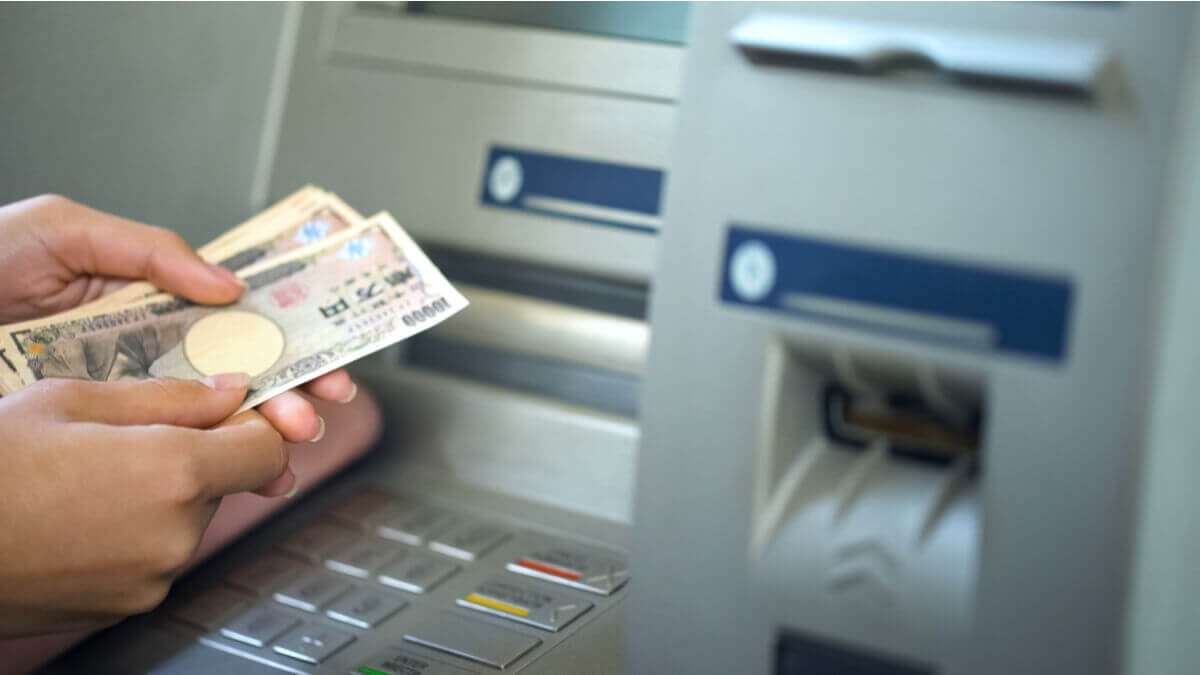
Best Times to Withdraw Cash
Knowing when and where to withdraw cash can save you time and money. Here are some tips:
- Airport ATMs: Upon arrival at airports like Narita (NRT) or Haneda (HND), utilize the ATMs available. These are generally reliable and offer multilingual support.
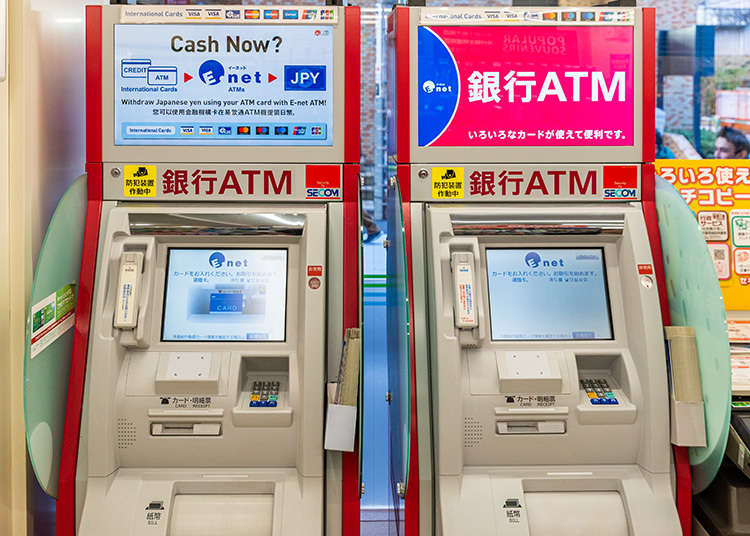
- Convenience Stores: Seven-Eleven (Seven Bank) and FamilyMart (E-net) ATMs are widely available and accept most international cards. They are open 24/7, providing convenient access to cash.
- Post Offices: Japan Post ATMs are another reliable option, although they may have limited operating hours compared to convenience stores.
- Bank ATMs: While some bank ATMs may not accept foreign cards, larger branches of banks like SMBC (Sumitomo Mitsui Banking Corporation) or MUFG (Mitsubishi UFJ Financial Group) often do.
Avoid withdrawing large sums of cash at once. Instead, make smaller, more frequent withdrawals to minimize risk and potential loss. Be mindful of ATM operating hours, especially outside major cities, as some may have limited access during late night or early morning hours.
Step-by-Step Guide to Withdrawing Cash
Withdrawing cash from Japanese ATMs is generally straightforward, but understanding the process can alleviate any anxiety. Here's a step-by-step guide:
Inserting Your Card Correctly
The first step is to insert your card correctly into the ATM. Most ATMs in Japan have a horizontal card slot. The correct orientation usually involves:
- Chip Placement: Ensure the chip on your card is facing the correct way, typically upwards or to the right, depending on the ATM design.
- Direction: Follow the on-screen prompts or diagrams that indicate the proper direction for inserting your card.
- Gentle Insertion: Insert the card smoothly and avoid forcing it. If the card doesn't go in easily, double-check the orientation.
If you encounter any difficulty, refer to the ATM's instructions or seek assistance from nearby staff, especially at convenience stores. Using the card correctly is crucial to avoid damage or rejection.
Selecting Your Language Preference
One of the most user-friendly features of Japanese ATMs is the option to select your preferred language. This makes the withdrawal process much easier for international visitors. Here’s how to select your language:
- Initial Screen: After inserting your card, the ATM will typically display a welcome screen with language options.
- Language Choices: Common options include English, Japanese, Chinese, and Korean. Select the language you are most comfortable with.
- Confirmation: Once you select a language, the ATM interface will switch to your chosen language, providing clear instructions for the remaining steps.
If you accidentally select the wrong language, most ATMs have a reset or language change button, allowing you to correct your selection.
Entering Your Pin and Desired Amount
After selecting your language, the ATM will prompt you to enter your Personal Identification Number (PIN). Follow these guidelines:
- PIN Pad: A numeric keypad will appear on the screen. Enter your PIN carefully and accurately.
- Privacy: Shield the keypad with your hand to prevent anyone from observing your PIN.
- Confirmation: After entering your PIN, confirm it by pressing the “Enter” or “OK” button.
Next, you'll be asked to specify the amount of cash you wish to withdraw. Keep these points in mind:
- Withdrawal Limits: Be aware of daily withdrawal limits set by your bank and the ATM. These limits may vary.
- Denominations: ATMs typically dispense cash in ¥1,000, ¥5,000, and ¥10,000 notes. Select an amount that can be dispensed in these denominations.
- Confirmation: Double-check the amount you've entered before confirming the transaction.
After confirming the amount, the ATM will process your request and dispense the cash along with a transaction receipt. Remember to take your card, cash, and receipt before leaving the ATM.
Troubleshooting Common ATM Issues
While using ATMs in Japan is generally hassle-free, occasional issues may arise. Knowing how to troubleshoot these problems can save you time and frustration.
Card Not Recognized: What to Do
If the ATM doesn't recognize your card, several factors could be at play. Here's a checklist to troubleshoot the issue:
- Card Damage: Inspect your card for any visible damage, such as scratches or cracks, particularly on the magnetic stripe or chip.
- Incorrect Insertion: Ensure you're inserting the card correctly, following the ATM's instructions.
- ATM Compatibility: Confirm that the ATM accepts international cards. Look for logos of major card networks like Visa, Mastercard, or Cirrus.
- Bank Restrictions: Your bank may have placed restrictions on international transactions. Contact your bank to verify your card's eligibility for use in Japan.
If the problem persists, try using a different ATM, preferably at a different location or bank. Contact your bank if you suspect your card is blocked or compromised.
Dealing with Language Barriers
While most ATMs offer multilingual support, you might encounter situations where the interface is only in Japanese. Here are some strategies to navigate language barriers:
- Kanji Cheat Sheet: Familiarize yourself with basic Kanji characters commonly used on ATM screens, such as 入金 (deposit), 引き出し (withdrawal), and 残高照会 (balance inquiry).
- Translation Apps: Use translation apps on your smartphone to translate unfamiliar words or phrases.
- Seek Assistance: Don't hesitate to ask for help from convenience store staff or bank employees. They can guide you through the process.
- Pre-set Amounts: Some ATMs offer pre-set withdrawal amounts, which can simplify the transaction if you're unsure about entering a specific amount in Japanese.
Remember, patience and clear communication are key to overcoming language barriers. Most Japanese people are willing to assist tourists, so don't be afraid to ask for help.
Reporting Lost or Stolen Cards
In the unfortunate event that your card is lost or stolen, prompt action is crucial to prevent unauthorized use. Follow these steps:
- Contact Your Bank: Immediately notify your bank to report the loss or theft. They will block your card and issue a replacement.
- File a Police Report: Report the incident to the local police. A police report can be helpful for insurance claims and other administrative procedures.
- Monitor Your Account: Regularly check your account statements for any suspicious activity. Report any unauthorized transactions to your bank immediately.
- Emergency Cash: Arrange for emergency cash through your bank or a money transfer service like Western Union.
Keep a record of your bank's international contact numbers and your card details (separately from your card) to facilitate the reporting process. Acting quickly can minimize potential financial losses and protect your account from fraud.
While Japan is gradually embracing cashless payments, understanding how to use ATMs remains essential for a seamless travel experience. By planning your cash needs, familiarizing yourself with the withdrawal process, and knowing how to troubleshoot common issues, you can confidently manage your finances and fully enjoy your journey through the Land of the Rising Sun. Remember to stay vigilant and safeguard your card to ensure a worry-free adventure.


Messenger

Back to top