
The snow crab, known as zuwaigani in Japan, is a celebrated delicacy, particularly during the colder months. Its sweet, delicate meat is prized for its unique flavor and texture, making it a sought-after ingredient in Japanese cuisine. This article delves into everything you need to know about snow crab in Japan, from selecting the best quality to preparing it in a variety of delicious ways.
Snow Crab: From Ocean to Plate
Identifying High-Quality Snow Crab
Selecting the right snow crab is crucial to enjoying its optimal flavor and texture. Here are key factors to consider:
- Weight: A heavier crab for its size generally indicates more meat content.
- Shell Condition: Look for a clean, hard shell, free from cracks or damage. Discoloration or spots may indicate the crab is old or has been improperly handled.
- Leg Attachment: The legs should be firmly attached to the body. Loose or detached legs can be a sign of a crab that is not fresh.
- Smell: Fresh snow crab should have a mild, sea-like aroma. Avoid crabs with a strong, fishy, or ammonia-like odor.
- Origin: Knowing the origin of the crab can also be helpful. Some regions in Japan, such as the Sea of Japan coast, are renowned for their high-quality snow crab.
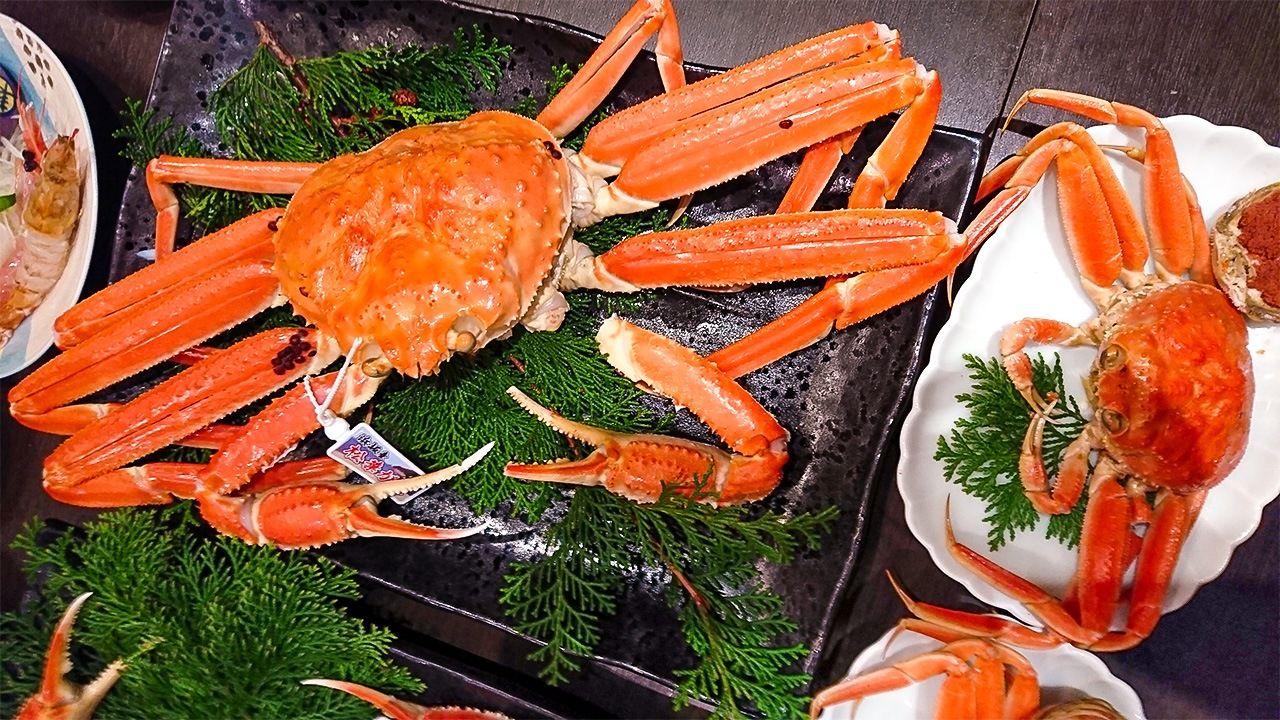
The appearance of the crab's shell is very important. A good shell indicates that the crab is healthy and has been properly cared for. Inspect the shell for any signs of damage, such as cracks or breaks. These can allow bacteria to enter and spoil the meat. Make sure that the crab feels heavy for its size. This is a good indication that it is full of meat.
Buying Snow Crab: Fresh, Frozen, or Canned?
Snow crab is available in various forms, each with its own advantages and disadvantages:
- Fresh: Fresh snow crab is the most desirable option, offering the best flavor and texture. However, it is highly perishable and requires careful handling and immediate preparation. Fresh crab is often seasonal, with peak availability during the winter months.
- Frozen: Frozen snow crab is a convenient alternative, allowing you to enjoy crab year-round. Choose crab that has been flash-frozen to preserve its quality. Look for packaging that is intact and shows no signs of freezer burn.
- Canned: Canned snow crab is the least expensive option, but it also has the least desirable flavor and texture. It is often used in dishes where the crab flavor is not the primary focus. Check the expiration date and look for cans that are free from dents or damage.
When buying frozen snow crab, make sure that it is properly sealed in airtight packaging. This will help to prevent freezer burn and maintain the quality of the crab. Thaw frozen crab in the refrigerator overnight before cooking. Do not thaw it at room temperature, as this can promote bacterial growth.
Storing Snow Crab Safely
Proper storage is essential to maintaining the quality and safety of snow crab:
- Fresh Crab: Store fresh snow crab in the refrigerator, wrapped in damp paper towels and placed in an airtight container. Use it within 1-2 days of purchase.
- Frozen Crab: Keep frozen snow crab in the freezer at a temperature of 0°F (-18°C) or lower. It can be stored for up to 6-8 months.
- Cooked Crab: Store cooked snow crab in the refrigerator in an airtight container. Consume it within 3-4 days.
Always ensure that snow crab is stored at the correct temperature to prevent bacterial growth and maintain its quality. If you are unsure about the freshness of the crab, it is best to discard it.
Cooking Methods for Perfect Snow Crab
Steaming Snow Crab for Beginners
Steaming is a popular and simple method for cooking snow crab, preserving its delicate flavor and ensuring it remains moist.
Steaming is one of the best cooking methods because it is quick and easy. You can add aromatics to the steaming water, such as lemon slices, garlic cloves, or herbs, to infuse the crab with additional flavor.
Grilling Snow Crab for a Smoky Flavor
Grilling snow crab adds a delicious smoky flavor that complements its natural sweetness.
Grilling is a great way to add a unique flavor to snow crab. Be careful not to overcook the crab, as it can become dry and rubbery. You can also wrap the crab in foil with butter and herbs to keep it moist while grilling.
Baking Snow Crab with Herbs and Butter
Baking snow crab with herbs and butter is an easy and flavorful way to prepare this delicacy.
Baking snow crab is a simple and elegant way to enjoy this delicacy. The herb butter adds a rich and flavorful element that perfectly complements the sweet crab meat. You can also add other ingredients to the herb butter, such as red pepper flakes for a spicy kick or Parmesan cheese for a cheesy flavor.

Beyond the Shell: Creative Snow Crab Dishes
Snow Crab Bisque Recipe
Snow crab bisque is a creamy and luxurious soup that is perfect for a special occasion.
Ingredients:
- 1 pound snow crab legs, cooked and shelled
- 4 tablespoons butter
- 1 onion, chopped
- 2 carrots, chopped
- 2 celery stalks, chopped
- 4 cloves garlic, minced
- 1/2 cup dry sherry
- 4 cups chicken broth
- 1 cup heavy cream
- Salt and pepper to taste
- Fresh parsley, chopped (for garnish)
Instructions:
Snow crab bisque is a rich and flavorful soup that is sure to impress. You can adjust the amount of sherry and cream to your liking. Serve with a crusty bread for dipping.
Snow Crab Salad Sandwich Ideas
Snow crab salad sandwiches are a delicious and easy lunch option.
Ingredients:
- 1 pound snow crab meat, cooked and shredded
- 1/2 cup mayonnaise
- 1/4 cup celery, finely chopped
- 2 tablespoons red onion, finely chopped
- 1 tablespoon lemon juice
- Salt and pepper to taste
- Bread of your choice
- Lettuce leaves (optional)
Instructions:
Snow crab salad sandwiches are a refreshing and satisfying meal. You can add other ingredients to the salad, such as avocado, cucumber, or dill. Serve with chips or a side salad for a complete meal.
Snow Crab Stuffed Mushrooms
Snow crab stuffed mushrooms are an elegant and flavorful appetizer.
Ingredients:
- 1 pound large mushrooms, stems removed
- 1/2 pound snow crab meat, cooked and shredded
- 1/4 cup breadcrumbs
- 1/4 cup Parmesan cheese, grated
- 2 tablespoons butter, melted
- 1 clove garlic, minced
- Salt and pepper to taste
- Fresh parsley, chopped (for garnish)
Instructions:
Snow crab stuffed mushrooms are a delicious and impressive appetizer. You can add other ingredients to the filling, such as cream cheese, green onions, or red pepper flakes. Serve as a starter for a dinner party or as a snack for a special occasion.
From simple steaming to elaborate bisques, the versatility of snow crab makes it a prized ingredient in Japanese cuisine. Whether you're enjoying it fresh at a local market or experimenting with new recipes at home, understanding how to select, store, and prepare high-quality snow crab will undoubtedly enhance your culinary experience. Remember these tips as you explore the delightful world of kani dishes.


Messenger

Back to top