
Japanese cuisine is renowned worldwide for its meticulous attention to detail, fresh ingredients, and respect for seasonality. Among the many culinary delights Japan offers, seafood holds a special place. The concept of eating seasonal fishes in Japan, known as 'Shun' (旬), is deeply ingrained in the culture, ensuring that diners experience each ingredient at its peak flavor and nutritional value. This guide explores the best times to savor various seasonal fishes in Japan, providing insights into why seasonality matters and the unique characteristics of each featured fish.
The Best Time to Eat Fish in Japan: A Seasonal Guide
Why Seasonality Matters in Japanese Cuisine
Seasonality is not merely a culinary preference in Japan; it's a philosophy that reflects a profound connection to nature. Eating seasonally ensures that ingredients are at their freshest, most flavorful, and most nutritious. This practice, deeply rooted in Japanese culture, enhances the dining experience and supports sustainable agricultural and fishing practices.
The Japanese archipelago, stretching from Hokkaido in the north to Okinawa in the south, boasts a diverse range of climates and marine environments. This geographical diversity allows for a wide variety of fish species to thrive at different times of the year. By adhering to seasonality, chefs and home cooks alike can take advantage of the unique bounty each season offers, ensuring optimal taste and quality.
Moreover, seasonality plays a crucial role in preserving resources. Fishing during peak seasons when fish populations are abundant helps prevent overfishing and supports the long-term health of marine ecosystems. By respecting the natural cycles of marine life, Japan maintains its rich culinary heritage for future generations.
The Concept of 'Shun' (旬): Eating in Season
'Shun' (旬) is a Japanese term that encapsulates the idea of eating foods at their peak season. It goes beyond mere availability, emphasizing the period when an ingredient's flavor, texture, and nutritional value are at their absolute best. This concept is deeply ingrained in Japanese culinary traditions and is a guiding principle for chefs and food enthusiasts alike.
The 'Shun' period is relatively short, often lasting only a few weeks or months. During this time, the ingredient is considered to be at its most delicious and is highly sought after. Embracing 'Shun' requires a keen awareness of the natural cycles and a willingness to adapt menus and recipes to highlight seasonal offerings.
For fish, 'Shun' often coincides with their spawning season or the period when they have accumulated the most fat, resulting in a richer, more flavorful taste. Eating fish during their 'Shun' not only provides a superior culinary experience but also aligns with sustainable fishing practices, ensuring the health of marine ecosystems.

Understanding and appreciating 'Shun' is essential for anyone looking to truly experience the depth and nuance of Japanese cuisine. It's a reminder to savor the present moment and to appreciate the natural rhythms that shape our food.
Health Benefits of Eating Seasonal Fish
Eating seasonal fish offers numerous health benefits, aligning with the body's natural needs throughout the year. During their peak season, fish tend to be richer in essential nutrients, providing optimal nourishment when the body needs it most.
For example, fish that are in season during the colder months often have higher fat content, providing essential fatty acids like omega-3s, which are crucial for maintaining body temperature and supporting immune function. These fats also contribute to healthy skin and hair, combating the dryness often associated with winter.
Seasonal fish also tend to be fresher and free from artificial preservatives. Because they are caught and consumed during their natural season, there is less need for long-term storage or transportation, which can diminish their nutritional value. Choosing seasonal options ensures that you are getting the highest quality, most nutrient-dense fish available.
Moreover, eating a variety of seasonal fish throughout the year can provide a broader range of vitamins and minerals, supporting overall health and well-being. Each species offers a unique nutritional profile, and by incorporating different types of fish into your diet according to the season, you can ensure a balanced intake of essential nutrients.
Here are some of the health benefits of eating seasonal fish:
Higher nutrient content during peak season
Optimal intake of essential fatty acids
Fresher and free from artificial preservatives
Supports immune function
Provides a broader range of vitamins and minerals
Spring Fish: Awakening the Palate
As winter's chill fades and the first signs of spring emerge, Japan's waters come alive with a new array of seasonal delicacies. Spring fish are often characterized by their delicate flavors and tender textures, offering a refreshing contrast to the richer, heavier fare of winter.
'Hotaru Ika': The Firefly Squid's Brief Season
'Hotaru Ika' (ホタルイカ), or firefly squid, is a small, bioluminescent squid that heralds the arrival of spring in Japan. These tiny creatures, measuring only about 7 centimeters in length, are named for their mesmerizing ability to emit a vibrant blue light, creating a magical spectacle in the waters off the coast of Toyama Bay.
The 'Shun' for 'Hotaru Ika' is remarkably short, typically lasting from March to May. During this time, they migrate to the shallow waters of Toyama Bay to spawn, creating a breathtaking display of bioluminescence that attracts tourists from around the world.
'Hotaru Ika' can be enjoyed in various ways, each highlighting its unique flavor and texture. One popular preparation is 'Hotaru Ika no Okizuke', where the squid are marinated in soy sauce, sake, and ginger, resulting in a savory and slightly sweet delicacy. They are also delicious when boiled and served with vinegar miso or tempura-fried to a crispy perfection.
The flavor of 'Hotaru Ika' is delicate and slightly sweet, with a hint of the ocean. Their tender texture and bioluminescent glow make them a truly unique and unforgettable culinary experience. Try this delicious and seasonal seafood during spring.
'Shirauo': The Translucent Ice Fish
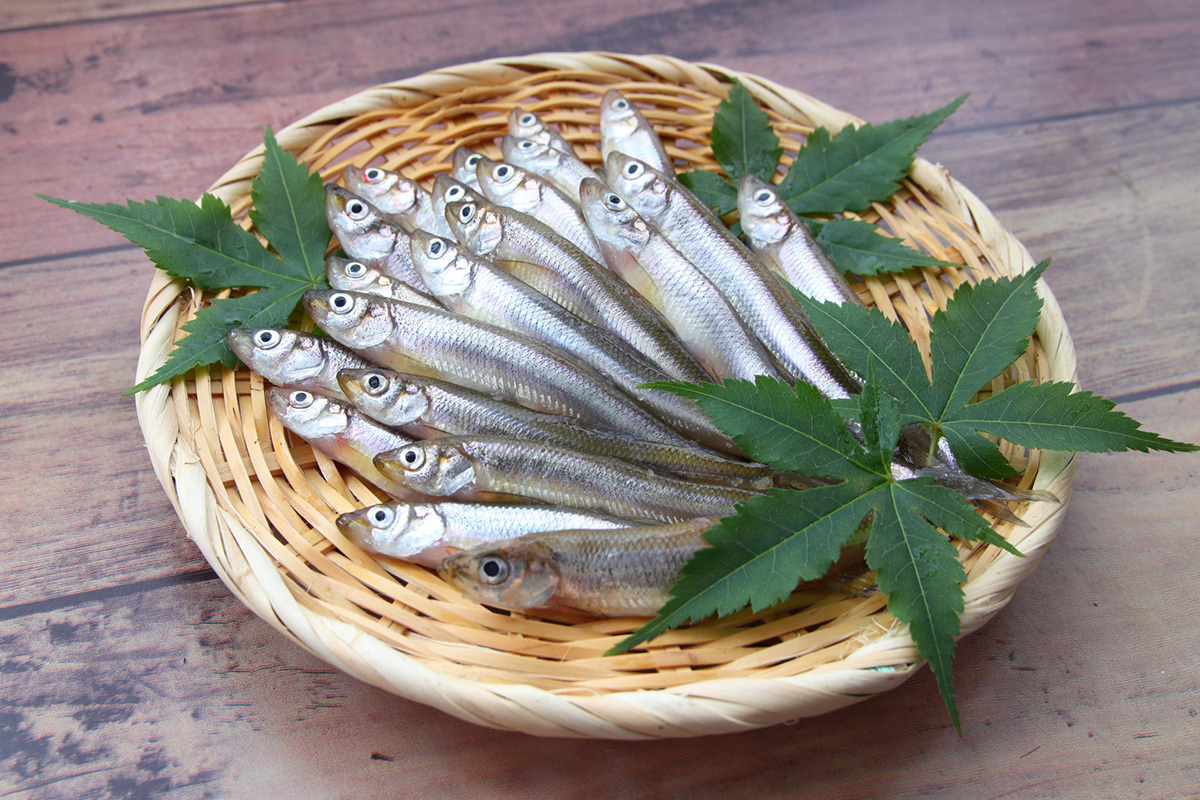
'Shirauo' (白魚), or ice fish, is another harbinger of spring in Japan. These tiny, translucent fish are known for their delicate flavor and unique appearance, resembling slivers of ice.
The 'Shun' for 'Shirauo' typically falls between March and May, when they migrate upstream to spawn. They are often caught using traditional fishing methods, such as bamboo weirs, which preserve their delicate bodies and ensure their freshness.
'Shirauo' can be enjoyed in a variety of ways, each highlighting their delicate flavor and texture. One popular preparation is 'Shirauo no Odorigui', where the live fish are eaten as a delicacy. While this may not appeal to everyone, it is a testament to the freshness and quality of the fish.
They are also delicious when lightly tempura-fried, simmered in a clear broth, or added to salads. Their delicate flavor pairs well with light seasonings, allowing their natural sweetness to shine through.
The flavor of 'Shirauo' is subtle and delicate, with a slightly sweet and clean taste. Their translucent appearance and tender texture make them a visually stunning and gastronomically delightful addition to any spring meal. They are a true seasonal delicacy.
'Sayori': The Halfbeak with a Silvery Sheen
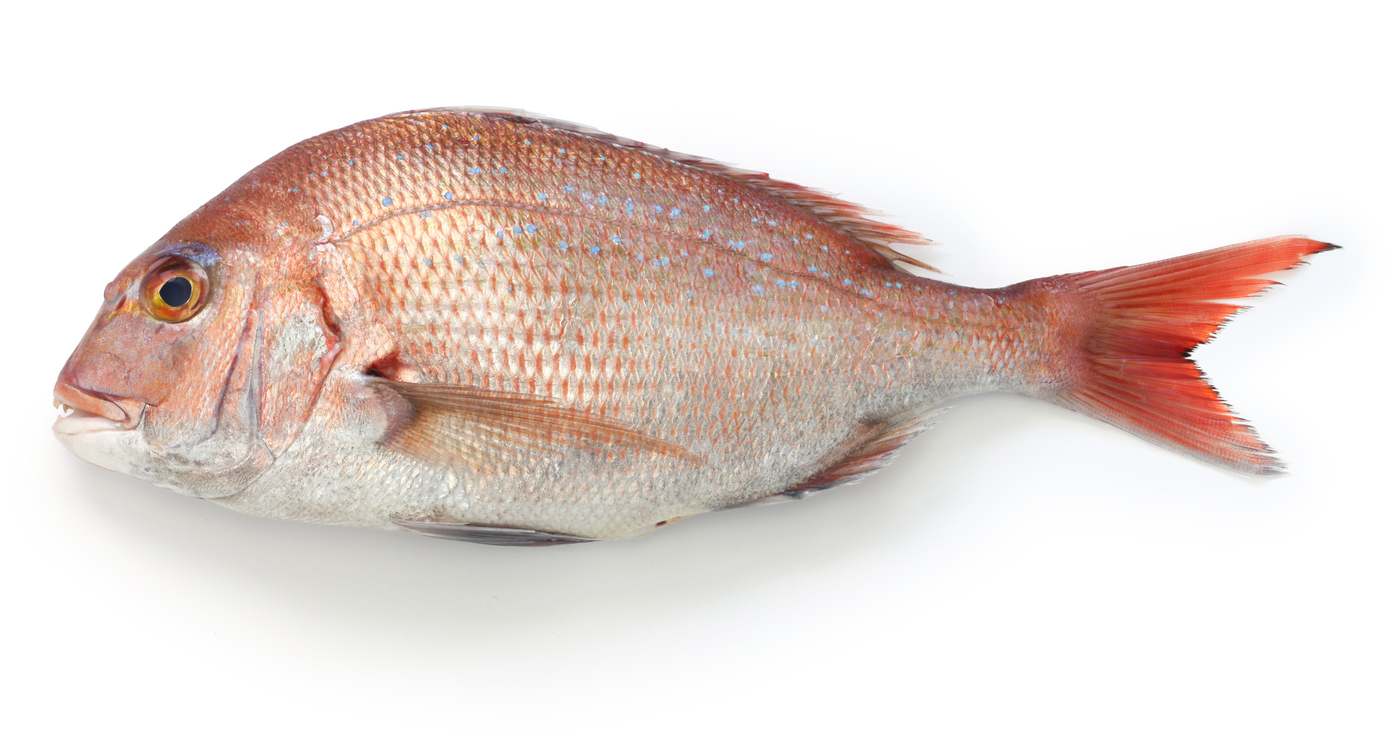
'Sayori' (サヨリ), or halfbeak, is a slender, silvery fish that graces Japanese waters in the spring. Named for its elongated lower jaw, which resembles a beak, 'Sayori' is prized for its delicate flavor and elegant appearance.
The 'Shun' for 'Sayori' typically runs from March to May, when they are at their peak flavor and texture. They are often caught using gill nets or angling, ensuring that their delicate bodies remain intact.
'Sayori' is a versatile fish that can be enjoyed in various ways. One popular preparation is 'Sayori no Sashimi', where the fish is thinly sliced and served raw, showcasing its delicate flavor and silvery sheen. It is also delicious when grilled, tempura-fried, or pickled.
The flavor of 'Sayori' is delicate and slightly sweet, with a hint of the ocean. Its firm, yet tender texture makes it a delightful addition to any spring meal. The subtle and refined taste of the fish will be pleasing to your palate.
Winter Fish: Rich Flavors for Cold Months
As the temperatures drop and winter sets in, Japan's waters yield a different kind of bounty. Winter fish are often characterized by their rich flavors and high fat content, providing warmth and sustenance during the cold months.
'Buri': The Yellowtail's Winter Fattening
'Buri' (ブリ), or yellowtail, is a popular winter fish in Japan, known for its rich flavor and high fat content. As the water temperatures drop, yellowtail accumulate fat to insulate themselves against the cold, resulting in a richer, more flavorful taste.
The 'Shun' for 'Buri' typically falls between December and February, when they are at their fattiest and most flavorful. They are often caught using set nets or angling, ensuring that their quality is preserved.
'Buri' can be enjoyed in a variety of ways, each highlighting its rich flavor and texture. One popular preparation is 'Buri no Sashimi', where the fish is thinly sliced and served raw, showcasing its marbling and buttery taste. It is also delicious when grilled, simmered in a soy-based sauce, or used in sushi.
The flavor of 'Buri' is rich and buttery, with a melt-in-your-mouth texture. Its high fat content makes it a warming and satisfying meal during the cold winter months. The best way to enjoy this fish is by making it a winter staple.
'Fugu': The Pufferfish Delicacy
'Fugu' (ふぐ), or pufferfish, is a notorious delicacy in Japan, known for its potentially lethal toxins and the skill required to prepare it safely. Despite the risks, 'Fugu' is highly prized for its unique flavor and texture, making it a sought-after culinary experience.
The 'Shun' for 'Fugu' typically runs from December to March, when they are at their peak flavor and texture. Only licensed chefs are allowed to prepare 'Fugu', as they must carefully remove the toxic organs before serving it to customers.
'Fugu' can be enjoyed in a variety of ways, each highlighting its unique characteristics. One popular preparation is 'Fugu no Sashimi', where the fish is thinly sliced and arranged on a plate to resemble a chrysanthemum flower. It is also delicious when deep-fried, grilled, or added to hot pots.
The flavor of 'Fugu' is subtle and delicate, with a slightly chewy texture. It is often served with ponzu sauce and other condiments to enhance its flavor. While the risk of poisoning is minimal when prepared by a licensed chef, the thrill of eating 'Fugu' adds to its allure. It is a truly unique gourmet experience.
'Anko': The Monkfish's Unique Texture
'Anko' (あんこう), or monkfish, is a unique and somewhat unusual fish that is highly prized in Japan during the winter months. Known for its gelatinous texture and rich flavor, 'Anko' is a versatile ingredient that can be used in a variety of dishes.
The 'Shun' for 'Anko' typically falls between November and March, when they are at their peak flavor and texture. They are often caught using bottom trawls, and their entire body, including the skin, liver, and stomach, is used in cooking.
'Anko' can be enjoyed in a variety of ways, each highlighting its unique characteristics. One popular preparation is 'Anko Nabe', a hot pot dish that features monkfish meat, vegetables, and a rich broth made from the fish's liver. The liver, known as 'Ankimo', is often referred to as the foie gras of the sea, due to its rich, buttery flavor.
The flavor of 'Anko' is rich and savory, with a slightly sweet and umami taste. Its gelatinous texture makes it a comforting and warming meal during the cold winter months. This is an excellent way to warm yourself during winter.
Understanding and appreciating the seasonality of fish in Japan is essential for experiencing the full depth and nuance of Japanese cuisine. By eating fish during their 'Shun', you can enjoy their peak flavor, texture, and nutritional value, while also supporting sustainable fishing practices. Whether it's the delicate flavors of spring fish or the rich, warming flavors of winter fish, each season offers a unique culinary adventure. Embrace the concept of 'Shun' and embark on a journey of seasonal eating.


Messenger

Back to top