
Mochi, a Japanese rice cake made from glutinous rice, has captivated palates worldwide with its distinctive chewy texture and subtle sweetness. This versatile treat has a rich history and cultural significance in Japan, and it continues to evolve with modern culinary trends. From traditional ceremonies to innovative desserts, mochi's adaptability makes it a beloved ingredient in various dishes. This article delves into the world of mochi, exploring its unique characteristics, diverse variations, and potential health considerations, offering a comprehensive guide to this fascinating food.

Exploring the Texture and Taste of Mochi
The Unique Chewy Texture
The hallmark of mochi is its extraordinary chewy texture, which sets it apart from other rice-based foods. This unique characteristic is achieved through a meticulous process of pounding steamed glutinous rice, also known as mochigome, into a smooth, elastic mass. The starch molecules in the rice undergo a transformation during this process, creating a dense, interconnected network that gives mochi its signature chewiness. The amylopectin content in glutinous rice is significantly higher than in regular rice, contributing to its stickiness and elasticity. This texture is not only a sensory delight but also plays a crucial role in the overall eating experience, making mochi a satisfying and memorable treat.
The preparation method significantly impacts the final texture. Traditional mochi-making involves using a large wooden mortar (usu) and a mallet (kine) in a rhythmic pounding process called mochitsuki. Modern methods often employ automated machines that replicate this process, ensuring consistency and efficiency. Regardless of the method, the key is to achieve a uniform consistency without overworking the dough, which can result in a tough texture. The ideal mochi should be soft, pliable, and slightly sticky, offering a delightful resistance with each bite.
The Subtle Sweetness
While mochi itself is not overly sweet, its subtle sweetness enhances its appeal and versatility. The natural sugars present in glutinous rice are released during the pounding process, contributing to a delicate sweetness that is both satisfying and refreshing. This mild flavor profile allows mochi to pair well with a wide range of ingredients, from sweet red bean paste to savory soy sauce.
In many traditional mochi preparations, a touch of sugar or other sweeteners is added to enhance the flavor. However, the focus remains on highlighting the natural taste of the rice rather than overpowering it with excessive sweetness. This balance is crucial to mochi's identity as a versatile ingredient that can be adapted to various culinary applications. The subtle sweetness of mochi makes it an excellent base for both sweet and savory dishes, allowing chefs and home cooks alike to experiment with different flavor combinations and create unique culinary experiences.
How Mochi Pairs with Other Flavors
Mochi's neutral flavor and unique texture make it an ideal complement to a wide array of flavors. In Japanese cuisine, it is often paired with sweet red bean paste (anko) in daifuku, a popular confection. The creamy sweetness of the anko contrasts beautifully with the chewy mochi, creating a harmonious balance of textures and tastes. Mochi also pairs well with fruits, such as strawberries in ichigo daifuku, where the tartness of the fruit cuts through the richness of the mochi and anko.
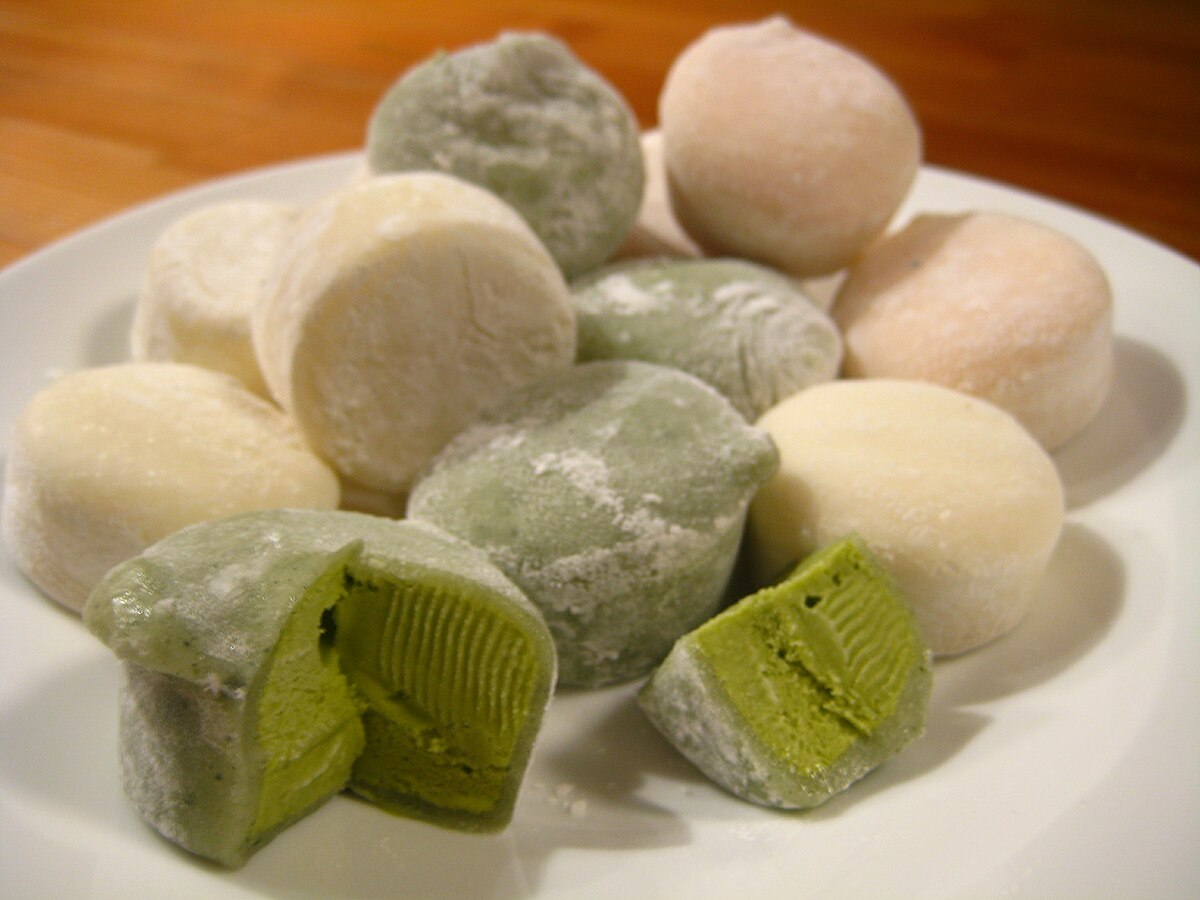
Beyond traditional pairings, mochi's versatility extends to savory dishes as well. It can be grilled and served with soy sauce, wrapped in nori seaweed, or added to soups and stews for a chewy element. In modern culinary applications, mochi is used in innovative desserts such as mochi ice cream, where small balls of mochi encase a scoop of ice cream, offering a delightful combination of textures and temperatures. The possibilities are endless, limited only by one's imagination. Whether sweet or savory, mochi's ability to enhance and complement other flavors makes it a beloved ingredient in kitchens around the world. Its adaptability allows for endless creativity, making it a staple in both traditional and contemporary dishes.
Mochi Variations: From Daifuku to Dango
Understanding Daifuku Mochi
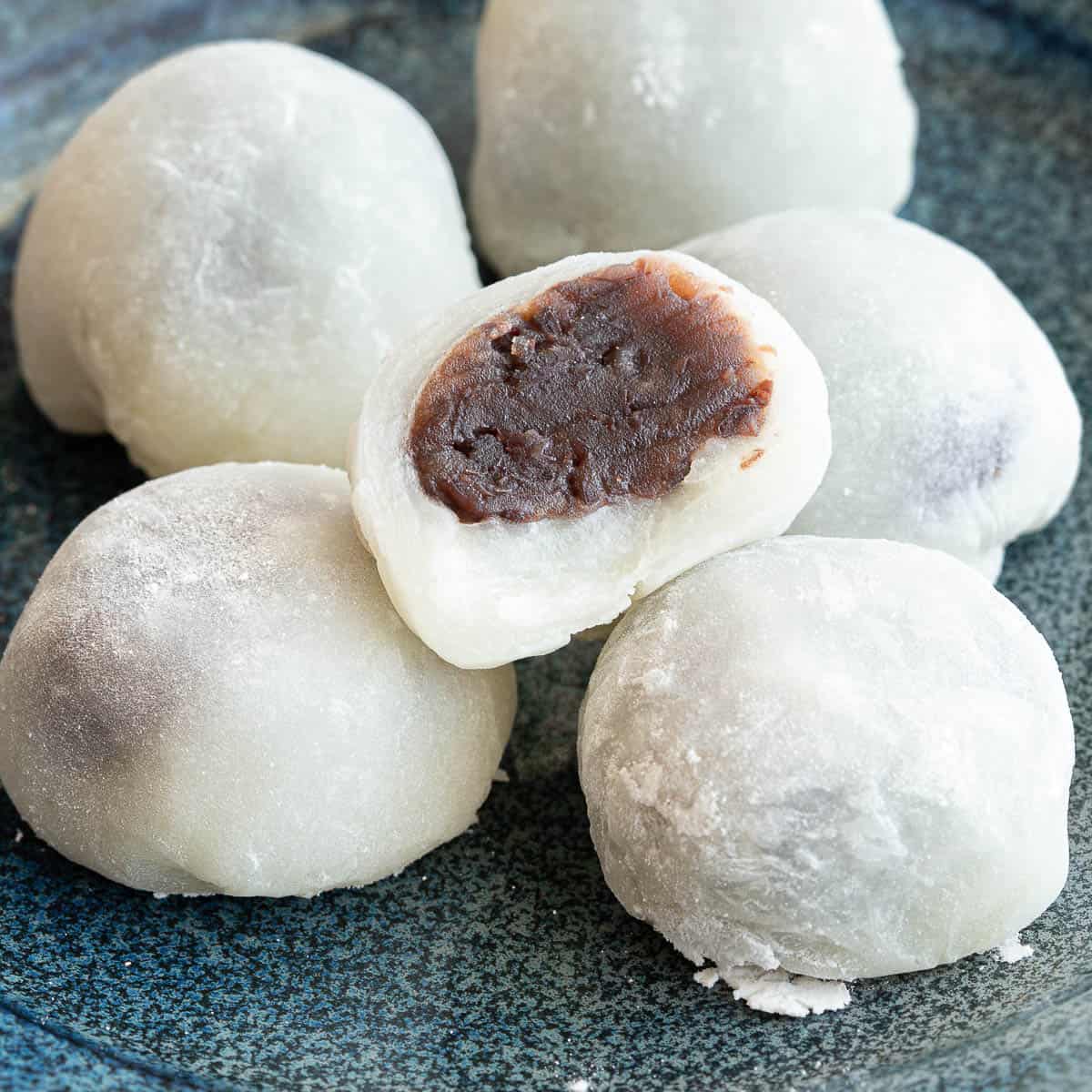
Daifuku mochi is one of the most popular and well-known variations of mochi. It consists of a soft, round mochi ball filled with a sweet filling, most commonly anko (red bean paste). The name "daifuku" translates to "great luck," making it a popular treat for celebrations and special occasions. The mochi itself is typically dusted with potato starch or cornstarch to prevent sticking and to give it a smooth, matte finish.
There are many variations of daifuku, each with its unique flavor profile. Ichigo daifuku, for example, features a fresh strawberry inside the mochi, often paired with anko. Mame daifuku includes whole or crushed soybeans in the mochi dough, adding a nutty flavor and slightly coarser texture. Other variations may include fillings such as white bean paste (shiroan), custard, or even ice cream. Daifuku's versatility and wide range of flavors make it a beloved treat enjoyed by people of all ages.
Exploring Dango Varieties
Dango is another popular type of Japanese sweet made from mochiko (rice flour). Unlike mochi, which is made from pounded glutinous rice, dango is made by mixing mochiko with water and then shaping the dough into small balls, which are then boiled or steamed. Dango is often served on a skewer and coated with various toppings or sauces.
There are several types of dango, each with its unique characteristics. Mitarashi dango is perhaps the most well-known, featuring grilled dango balls coated in a sweet and savory soy sauce glaze. Anko dango is topped with sweet red bean paste, while kinako dango is coated in roasted soybean flour. Other variations include goma dango, which is covered in sesame seeds, and nori dango, which is wrapped in seaweed. Dango's chewy texture and diverse flavor options make it a popular street food and snack in Japan.
Other Regional Mochi Specialties
Beyond daifuku and dango, Japan boasts a wide array of regional mochi specialties, each reflecting the local ingredients and culinary traditions. One example is kusa mochi, which is flavored with yomogi (Japanese mugwort), giving it a vibrant green color and a slightly bitter, herbal flavor. This type of mochi is often enjoyed in the spring and is associated with traditional festivals and celebrations.
Another regional specialty is zenzai, a sweet soup made with azuki beans and mochi. This dish is particularly popular in the Kansai region of Japan and is often served during the winter months. The warm, comforting soup and the chewy mochi create a satisfying and nourishing meal. In some regions, mochi is also used in savory dishes, such as ozoni, a traditional New Year's soup that includes mochi, vegetables, and meat or fish. These regional variations highlight the versatility of mochi and its deep-rooted connection to Japanese culture and cuisine. Exploring these specialties offers a glimpse into the diverse culinary landscape of Japan and the many ways in which mochi is enjoyed across the country. You can find mochi recipes online if you want to try making these at home.
Potential Risks and Allergies Associated with Mochi
Choking Hazards
One of the primary concerns associated with mochi consumption is the risk of choking, particularly among young children and the elderly. Mochi's sticky and elastic texture can make it difficult to chew and swallow, increasing the likelihood of it becoming lodged in the throat. In Japan, there are annual warnings issued by authorities to remind people to take extra precautions when eating mochi, especially during New Year's celebrations, when mochi consumption is at its peak.
To mitigate the risk of choking, it is essential to cut mochi into small, manageable pieces before eating. Chewing thoroughly and slowly is also crucial, allowing the saliva to break down the mochi and make it easier to swallow. It is advisable to avoid eating mochi while talking or laughing, as this can increase the risk of accidental inhalation. Supervising young children and elderly individuals while they are eating mochi is also recommended. Some manufacturers now produce mochi in smaller, bite-sized portions to reduce the choking hazard. If you're concerned about the choking hazard, you can explore alternative desserts.
Allergic Reactions to Ingredients
While mochi itself is primarily made from glutinous rice, it often contains other ingredients that can trigger allergic reactions in sensitive individuals. Common allergens found in mochi and mochi-based products include soy, dairy, nuts, and food colorings. Daifuku, for example, often contains red bean paste, which may be processed in facilities that also handle nuts, posing a risk for individuals with nut allergies.
Mochi ice cream may contain dairy and other allergens depending on the flavor. It is crucial for individuals with known allergies to carefully read the ingredient labels of mochi products before consumption. Manufacturers are required to list all ingredients on the packaging, allowing consumers to make informed choices. If there is any doubt about the ingredients or potential allergens, it is best to avoid the product or contact the manufacturer for clarification. Being vigilant about ingredient labels can help prevent allergic reactions and ensure a safe and enjoyable mochi experience. If you have allergies, consider allergy-friendly snacks instead.
Safe Consumption Practices
To ensure a safe and enjoyable mochi experience, it is essential to follow some simple yet effective consumption practices. First and foremost, always cut mochi into small, manageable pieces, especially for young children and the elderly. This reduces the risk of choking and makes it easier to chew and swallow. Chewing thoroughly and slowly is also crucial, allowing the saliva to break down the mochi and prevent it from sticking in the throat.
It is also advisable to avoid eating mochi while talking or laughing, as this can increase the risk of accidental inhalation. Supervising young children and elderly individuals while they are eating mochi is highly recommended. Additionally, be mindful of the ingredients in mochi products, especially if you have known allergies. Always read the ingredient labels carefully and avoid products that contain potential allergens. By following these safe consumption practices, you can minimize the risks associated with mochi consumption and fully enjoy this delicious and versatile treat. Always prioritize food safety when consuming mochi.
Mochi is a unique and versatile food with a rich history and cultural significance. Its distinctive chewy texture and subtle sweetness make it a beloved ingredient in various dishes, from traditional Japanese sweets to modern culinary creations. While mochi offers a delightful culinary experience, it is essential to be aware of the potential risks, such as choking hazards and allergic reactions. By following safe consumption practices and being mindful of the ingredients, you can fully enjoy the wonders of mochi while minimizing any potential health concerns. Whether you are a seasoned mochi enthusiast or a curious newcomer, exploring the world of mochi promises a delightful and rewarding culinary adventure. Be sure to consider healthy food options when incorporating mochi into your diet.


Messenger

Back to top