
Sashimi, a culinary art form originating from Japan, transcends the simple notion of raw fish. It represents a delicate balance of freshness, precise cutting techniques, and an appreciation for natural flavors. This article delves into the multifaceted world of sashimi, exploring its historical roots, diverse varieties, cultural significance, and the art of pairing it with complementary beverages. Whether you're a seasoned sushi aficionado or a curious newcomer, prepare to embark on a journey that unveils the secrets behind this iconic Japanese delicacy.
Exploring the World of Sashimi
Sashimi, at its core, is thinly sliced raw seafood or meat, served without rice. The quality and freshness of the ingredients are paramount, as the dish relies solely on the inherent flavors and textures of the chosen protein. The preparation requires exceptional knife skills, as the cuts must be precise and clean to enhance the eating experience and visual appeal.
Popular Types of Sashimi and Their Flavors
The world of sashimi offers a diverse range of flavors and textures, each dictated by the type of fish or seafood used. Here are some of the most popular types:
- Maguro (Tuna): Known for its rich, buttery flavor and varying levels of fat content, from the lean akami to the prized otoro.
- Salmon (Sake): Characterized by its vibrant orange color, delicate flavor, and smooth, fatty texture.
- Hamachi (Yellowtail): Offers a firm, slightly sweet flavor with a clean finish.
- Tai (Red Snapper): Appreciated for its delicate, slightly sweet flavor and firm, crisp texture.
- Hotate (Scallop): Provides a sweet, briny flavor and a tender, almost creamy texture.
- Ebi (Shrimp): Often served boiled or raw, offering a sweet, slightly firm texture.
- Tako (Octopus): Boasts a chewy texture and a mild, slightly sweet flavor.
- Uni (Sea Urchin): Known for its creamy, custard-like texture and intense, briny flavor.
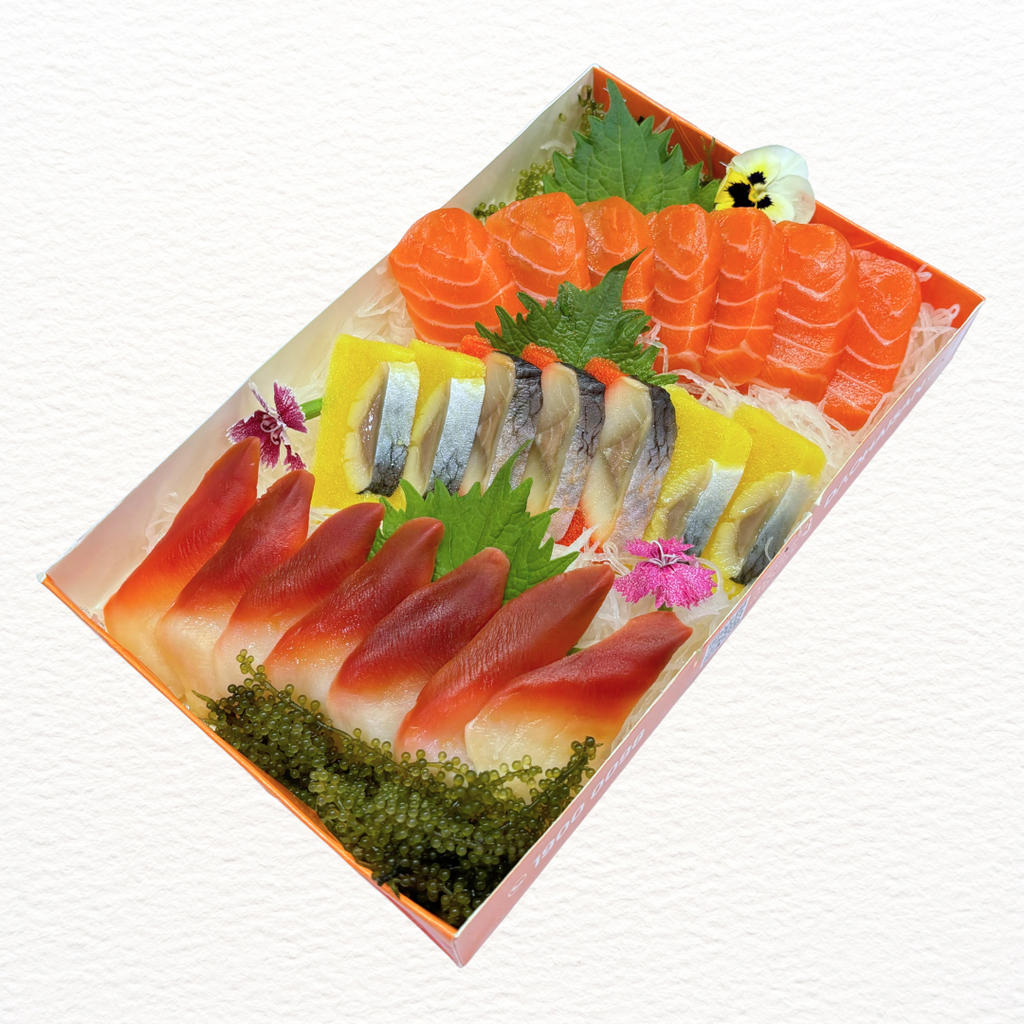
The flavor profiles of these sashimi varieties can be further enhanced by the condiments they are served with, such as soy sauce, wasabi, and ginger. Understanding these flavor pairings is key to fully appreciating the nuances of each type of sashimi.
Regional Variations of Sashimi in Japan
Japan's diverse geography and culinary traditions have given rise to regional variations in sashimi preparation and presentation. Some notable examples include:
- Kyushu: Known for its shoyu (soy sauce) which often has a sweeter profile.
- Hokkaido: Famous for its fresh seafood, particularly salmon, crab, and sea urchin.
- Osaka: Known for its 'fugu' (pufferfish) sashimi, a delicacy requiring highly skilled chefs to prepare safely.
These regional differences reflect the unique ingredients and culinary preferences of each area, offering a glimpse into the diverse tapestry of Japanese cuisine. The availability of local seafood greatly influences the types of sashimi that are popular in each region.
Sashimi Around the World: Adaptations and Influences
While sashimi remains deeply rooted in Japanese tradition, it has also found its way into global cuisine, undergoing adaptations and incorporating local ingredients. In many Western countries, you'll find sashimi made with locally sourced seafood, such as tuna, salmon, and halibut. Some chefs also experiment with different marinades and sauces to cater to local palates.
The influence of sashimi can also be seen in other raw fish preparations around the world, such as ceviche in Latin America and poke in Hawaii. These dishes share the same fundamental principle of showcasing the freshness and natural flavors of raw seafood, highlighting the universal appeal of this culinary concept.
Sashimi and Japanese Culture
Sashimi is more than just a dish; it's an integral part of Japanese culture, reflecting values such as respect for nature, meticulous craftsmanship, and appreciation for simplicity.
The Role of Sashimi in Japanese Cuisine
In Japanese cuisine, sashimi is often considered the pinnacle of seafood preparation, showcasing the chef's skill in selecting, preparing, and presenting the ingredients. It is typically served as the first course in a traditional Japanese meal, allowing diners to appreciate the pure flavors of the fish before moving on to more complex dishes. Sashimi is also a key component of sushi, where it is paired with vinegared rice and other ingredients to create a balanced and flavorful dish.
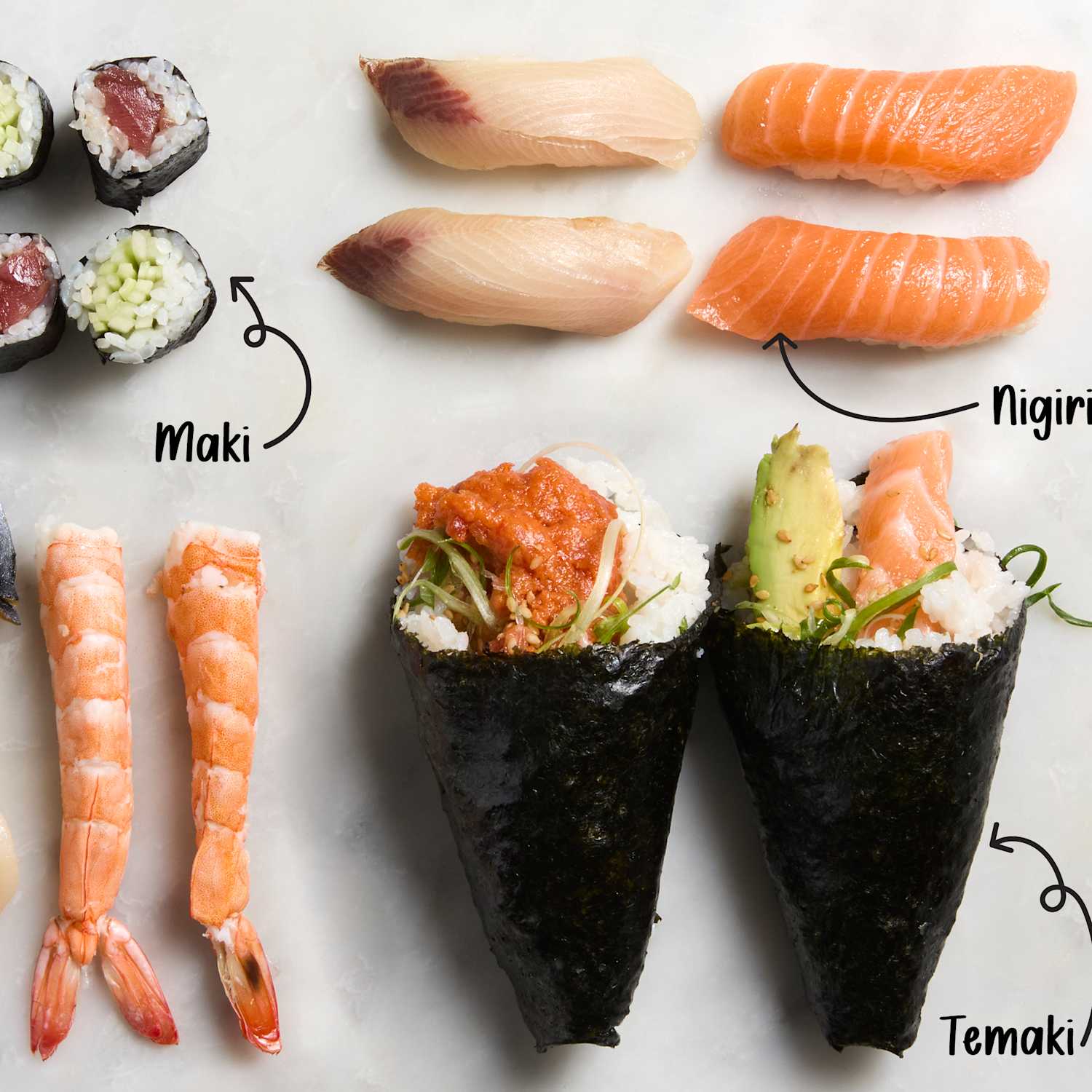
The emphasis on fresh and high-quality ingredients in sashimi reflects the Japanese reverence for nature and the belief that food should be prepared in a way that preserves its natural essence.
Sashimi and Special Occasions
Sashimi plays a significant role in Japanese celebrations and special occasions. It is often served at New Year's gatherings, weddings, and other festive events as a symbol of good fortune and abundance. The presentation of sashimi is also carefully considered, with chefs often creating elaborate arrangements that resemble landscapes or natural scenes. These artistic presentations add to the celebratory atmosphere and demonstrate the chef's dedication to their craft.
The act of sharing sashimi with loved ones is also an important aspect of Japanese culture, fostering a sense of community and togetherness. The communal enjoyment of this exquisite dish strengthens bonds and creates lasting memories.
Sashimi and Japanese Art
The aesthetic principles of Japanese art, such as simplicity, balance, and harmony, are also reflected in the preparation and presentation of sashimi. The clean lines, vibrant colors, and carefully arranged components of a sashimi platter create a visually stunning work of art. The chef's knife skills are also considered an art form, with years of training required to master the precise cuts and techniques necessary to create perfect sashimi slices.
The appreciation for natural beauty, a central theme in Japanese art, is also evident in the way sashimi is served. The fish is often presented on natural materials such as bamboo leaves or wooden platters, further emphasizing its connection to the natural world. The overall effect is a harmonious blend of culinary skill and artistic expression, elevating sashimi to a level beyond mere sustenance.
Pairing Sashimi with Drinks
The delicate flavors of sashimi are best enjoyed when paired with carefully selected beverages that complement and enhance the dining experience.
Best Types of Sake to Pair with Sashimi
Sake, or Japanese rice wine, is a classic pairing for sashimi. The subtle sweetness and umami flavors of sake harmonize beautifully with the delicate flavors of the fish. Some specific sake recommendations include:
- Junmai: A pure rice sake with a rich, full-bodied flavor that pairs well with tuna and other fatty fish.
- Ginjo: A premium sake with a fruity aroma and a clean, crisp flavor that complements lighter fish such as snapper and sea bream.
- Daiginjo: The highest grade of sake, known for its delicate aroma and refined flavor, ideal for pairing with delicate sashimi like scallop or uni.
When selecting a sake for sashimi, it's important to consider the flavor profile of the fish and choose a sake that will enhance rather than overpower it. A knowledgeable sake sommelier can provide valuable guidance in selecting the perfect pairing.
Wine Pairings for Different Types of Sashimi
While sake is the traditional choice, certain wines can also complement sashimi beautifully. Here are some wine pairing suggestions:
- Dry Riesling: Its high acidity and citrus notes cut through the richness of salmon and tuna.
- Sauvignon Blanc: Its grassy and herbaceous notes pair well with lighter fish like snapper and sea bream.
- Pinot Grigio: Its light body and subtle flavors complement delicate sashimi such as scallop and uni.
- Sparkling Wine: Its effervescence and acidity cleanse the palate between bites, making it a refreshing accompaniment to a variety of sashimi.
When pairing wine with sashimi, it's important to choose a wine that is not too overpowering or tannic, as these qualities can clash with the delicate flavors of the fish.
Other Drink Options: Beer, Tea, and More
Beyond sake and wine, other beverages can also be enjoyed with sashimi. Light and crisp Japanese beers, such as Asahi or Sapporo, can be a refreshing alternative, especially on a warm day. Green tea, with its subtle bitterness and cleansing properties, is another traditional pairing that helps to balance the flavors of the fish.
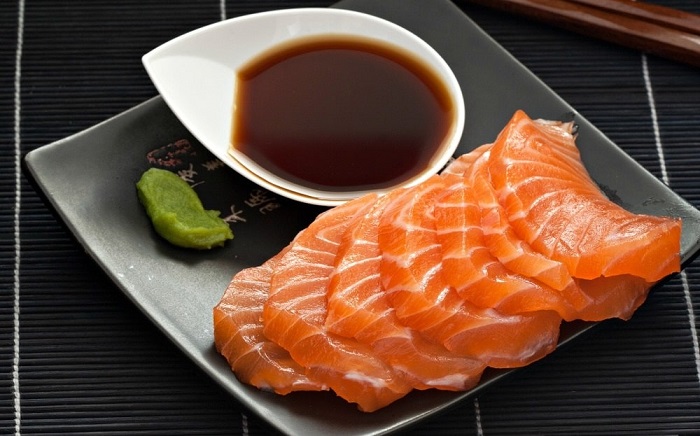
For those who prefer non-alcoholic options, sparkling water with a squeeze of lemon or lime can also be a refreshing palate cleanser. Ultimately, the best drink pairing is a matter of personal preference, so don't be afraid to experiment and discover your own favorite combinations.
Sashimi is more than just raw fish; it is a culinary art form that embodies the essence of Japanese cuisine and culture. From its diverse varieties and regional variations to its cultural significance and beverage pairings, sashimi offers a rich and rewarding culinary experience. By understanding the nuances of this exquisite dish, you can gain a deeper appreciation for the artistry and tradition that it represents. The preparation of sashimi requires a high level of skill and attention to detail. Whether enjoyed in a traditional Japanese setting or adapted to local tastes around the world, sashimi continues to captivate and delight food lovers with its simplicity, elegance, and unparalleled freshness. Learning about sashimi knife techniques can greatly enhance your appreciation of this dish.


Messenger

Back to top