
Omakase, a Japanese phrase that translates to "I'll leave it up to you," represents a unique dining experience where patrons entrust their meal entirely to the chef's expertise and creativity. This culinary journey, deeply rooted in Japanese history and tradition, has evolved from a practical solution to a celebrated art form. Understanding the omakase history provides valuable insight into the cultural values of trust, respect, and appreciation for seasonal ingredients that underpin this distinctive dining style. From its humble beginnings in the Edo period to its global recognition today, the story of omakase is a testament to the enduring appeal of personalized culinary experiences.
The Origins of Omakase
Edo-Era Sushi Precursors
The seeds of omakase were sown during the Edo period (1603-1868), a time of significant culinary development in Japan. Street food stalls offering quick and affordable bites were common. Early forms of sushi, often consisting of preserved fish on rice, were popular. However, the concept of a chef tailoring a meal to individual preferences was not yet established. Customers typically selected from a limited range of available ingredients. This era laid the groundwork for future culinary innovations by popularizing sushi and establishing a culture of dining outside the home.
During the Edo period, sushi was primarily a form of fast food, quite different from the refined Japanese cuisine we know today. Nigiri sushi, the hand-pressed style, emerged as a convenient and portable option for busy city dwellers. Chefs began to experiment with different toppings and techniques, but the emphasis remained on speed and affordability rather than personalization.
Post-War Scarcity and Innovation
The period following World War II brought about significant changes in Japan, including food shortages and economic hardship. In this environment, omakase emerged as a practical solution for both chefs and customers. Restaurants often faced inconsistent supplies of ingredients. Omakase allowed chefs to utilize whatever fresh ingredients were available on a given day, minimizing waste and ensuring that customers received the best possible meal under the circumstances. This era fostered a sense of trust between chefs and patrons, as diners relied on the chef's expertise to create a satisfying meal despite the limitations.
The post-war era was a crucible of culinary innovation. Chefs had to be resourceful and creative, adapting traditional techniques to new realities. Omakase became a way for them to showcase their skills and offer a unique dining experience even with limited resources. This period marked a shift from simply providing sustenance to crafting a personalized and memorable meal.
The Rise of Trust in Chefs
As Japan's economy recovered and access to ingredients improved, the concept of omakase evolved. Chefs began to see it as an opportunity to showcase their skills, creativity, and knowledge of seasonal ingredients. Customers, in turn, embraced the idea of entrusting their meal to the chef's expertise, valuing the element of surprise and the chance to experience new and exciting flavors. This growing trust between chef and patron became a defining characteristic of the omakase experience.
The relationship between the chef and the customer is central to the omakase experience. It's a partnership built on mutual respect and a shared appreciation for quality ingredients and culinary artistry. Customers place their trust in the chef's ability to curate a meal that is both delicious and reflective of the season's best offerings.
Evolution of the Omakase Experience
From Necessity to Culinary Art
What began as a practical solution during times of scarcity has transformed into a highly refined culinary art form. Today, omakase is celebrated for its emphasis on quality ingredients, meticulous preparation, and the chef's ability to create a harmonious and balanced meal. It's an experience that engages all the senses, from the visual presentation of the dishes to the complex flavors and textures that tantalize the palate.
The evolution of omakase reflects a broader trend in Japanese cuisine towards greater emphasis on artistry and craftsmanship. Chefs are not simply preparing food; they are creating a culinary performance, showcasing their skills and knowledge in a way that is both informative and entertaining. The omakase experience has become a symbol of culinary excellence and a celebration of Japanese culture.
Regional Variations and Styles
While the core principles of omakase remain consistent, regional variations and stylistic differences add to its diversity. Different regions of Japan are known for their unique seafood and produce, which are prominently featured in local omakase offerings. For example, omakase in Hokkaido might emphasize crab and sea urchin, while in Kyushu, you might find a greater focus on tuna and other deep-sea fish.
Beyond regional ingredients, individual chefs also bring their own unique styles and techniques to the omakase experience. Some chefs may focus on traditional Edomae-style sushi, while others may incorporate more modern and innovative approaches. This diversity ensures that each omakase experience is unique and reflects the chef's personal vision.
Here are some regional variations and styles:
- Edomae Style: Traditional Tokyo-style sushi with a focus on preserving and aging techniques.
- Kyoto Style: Emphasizes seasonal vegetables and delicate flavors.
- Osaka Style: Known for its pressed sushi and bolder flavors.
- Hokkaido Style: Features fresh seafood like crab, salmon, and sea urchin.
The Role of Fresh, Seasonal Ingredients
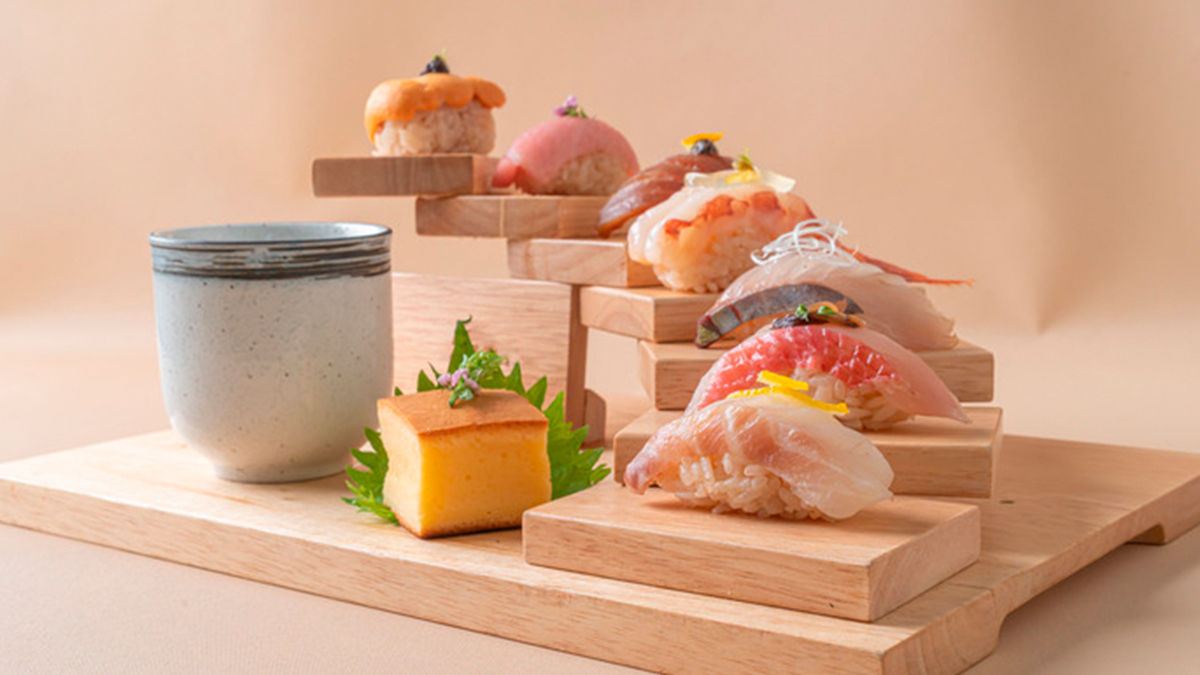
At the heart of the omakase experience lies a deep respect for fresh, seasonal ingredients. Chefs carefully select the highest quality seafood, vegetables, and other ingredients based on what is currently in season. This commitment to seasonality ensures that each dish is at its peak flavor and nutritional value. It also reflects a broader Japanese cultural value of living in harmony with nature.
The importance of seasonality in omakase cannot be overstated. Chefs often visit local markets and suppliers daily to source the freshest and most flavorful ingredients available. They understand that the quality of the ingredients is paramount to creating a truly exceptional meal. This dedication to seasonality is a hallmark of the omakase experience.
Here are some points to remember:
- Peak Flavor: Seasonal ingredients are at their most flavorful.
- Nutritional Value: Fresh, seasonal produce is packed with nutrients.
- Sustainability: Supporting local farmers and fishermen promotes sustainability.
- Cultural Significance: Reflects a deep respect for nature.
Omakase in the Modern World
Global Popularity and Adaptations
Omakase has transcended its Japanese origins to become a global culinary phenomenon. It's now offered in high-end restaurants around the world, attracting diners who appreciate its emphasis on quality, creativity, and personalized service. While maintaining its core principles, omakase has also adapted to local tastes and ingredients, resulting in unique and innovative variations.
The global popularity of omakase is a testament to its enduring appeal and its ability to connect with diners from different cultures. It's an experience that transcends language and cultural barriers, offering a universal appreciation for culinary artistry and the chef's choice.
The Omakase Etiquette
While omakase is ultimately about entrusting your meal to the chef, there are certain etiquette guidelines that can enhance the experience. It's important to arrive on time, be attentive to the chef's explanations, and express your appreciation for the food. Avoid using strong perfumes or colognes, as they can interfere with the delicate flavors of the dishes. And most importantly, be open to trying new things and trust in the chef's expertise.
Understanding and respecting omakase etiquette demonstrates your appreciation for the chef's efforts and contributes to a more enjoyable dining experience for everyone. It's a sign of respect for the tradition and the artistry involved in creating an omakase meal.
Here are some etiquette to follow:
Future Trends in Omakase Dining
The future of omakase dining is likely to be shaped by several key trends. We can expect to see even greater emphasis on sustainability and ethical sourcing of ingredients. Chefs will continue to experiment with new techniques and flavor combinations, pushing the boundaries of culinary innovation. And technology may play a role in enhancing the omakase experience, perhaps through interactive menus or personalized dietary recommendations.
As omakase continues to evolve, it will undoubtedly remain a celebrated and sought-after dining experience. Its emphasis on quality, creativity, and personalized service ensures its enduring appeal in a world that increasingly values unique and authentic culinary experiences. Omakase is more than just a meal; it is a journey of culinary discovery, a celebration of Japanese culture, and a testament to the power of trust between chef and patron.
The omakase experience is poised to evolve further, embracing sustainability, technological advancements, and a deeper connection with diners seeking authentic and personalized culinary journeys. This blend of tradition and innovation ensures its continued relevance and appeal in the ever-changing landscape of global gastronomy.
The journey of omakase from its functional origins to its current status as a revered culinary art form showcases the dynamic interplay of history, culture, and innovation. As it evolves, the core values of trust, respect for ingredients, and culinary craftsmanship will undoubtedly remain central to the omakase dining experience, ensuring its continued allure for generations to come. Embracing these principles allows diners to fully appreciate the artistry and dedication that define omakase, making each meal a truly memorable and enriching experience.


Messenger

Back to top