
The world of Japanese cuisine is vast and varied, offering a multitude of dining experiences. Among these, Kappo Omakase stands out as a particularly refined and immersive culinary journey. It's more than just a meal; it's an art form, a conversation between chef and diner, and a celebration of seasonal ingredients. This article delves into the heart of Kappo Omakase, exploring its defining elements, key techniques, and providing insights on how to make the most of this unique dining experience.
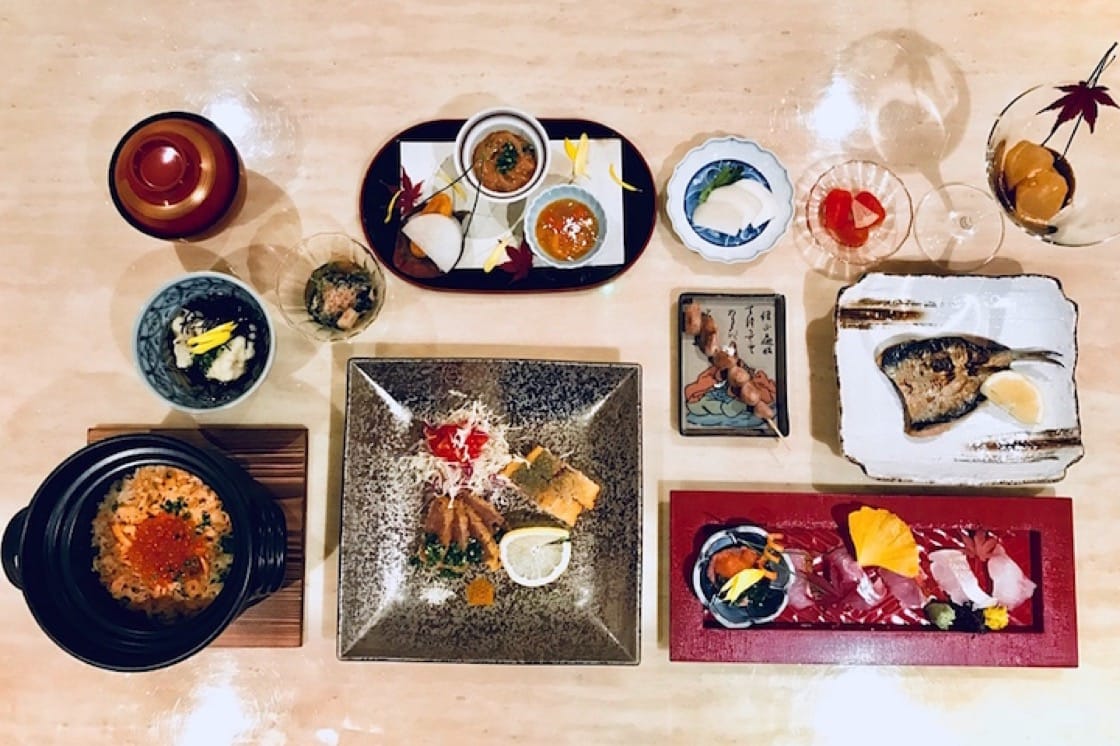
Defining the Kappo Omakase Experience
Kappo Omakase is a specific style of Japanese cuisine that combines the principles of 'kappo' cooking with the 'omakase' dining format. To fully appreciate this experience, it's essential to understand each component individually.
The Meaning of Kappo: More Than Just Cooking
The term 'kappo' (割烹) is derived from two kanji characters: 割 (katsu), meaning to cut or slice, and 烹 (pou), meaning to cook. However, kappo is much more than just cutting and cooking. It represents a holistic approach to Japanese cuisine, emphasizing the chef's skill in preparing a wide range of dishes using various techniques. These techniques include grilling, simmering, frying, steaming, and, of course, slicing. Kappo also emphasizes the use of seasonal ingredients to highlight their natural flavors.
Furthermore, kappo often involves a closer interaction between the chef and the customer. Unlike some other forms of Japanese dining where the chef remains largely behind the scenes, in kappo, the chef often prepares the food in front of the diners, explaining the ingredients and techniques used. This creates a more personal and engaging dining experience. Kappo chefs are expected to be masters of various cooking methods and to be able to adapt their dishes based on the available ingredients and the customer's preferences. Their role extends beyond simply cooking; they are also entertainers and educators, sharing their knowledge and passion for Japanese cuisine.
Omakase Deconstructed: A Chef's Choice Journey
Omakase (お任せ) translates to "I'll leave it up to you". In the context of dining, it signifies that the diner is entrusting the chef to select and prepare the meal. This is not a blind leap of faith, but rather a gesture of trust in the chef's expertise and creativity. The chef, in turn, takes on the responsibility of curating a menu that showcases the best of what's available, highlighting seasonal ingredients and their own culinary skills. An omakase experience is a dynamic and personalized one. The chef will often inquire about the diner's preferences, dietary restrictions, and any allergies before beginning the meal. This information allows them to tailor the menu to the individual's needs and tastes.
The beauty of omakase lies in its element of surprise and discovery. Diners are often presented with dishes they may not have otherwise chosen, expanding their culinary horizons and introducing them to new flavors and textures. It is a chance to experience the chef's unique interpretation of Japanese cuisine and to appreciate their artistry and skill.
The Uniqueness of Kappo Omakase Compared to Sushi Omakase
While both Kappo Omakase and Sushi Omakase fall under the umbrella of 'chef's choice' dining experiences, they differ significantly in their focus and range. Sushi Omakase, as the name suggests, primarily centers around sushi and sashimi. While other dishes may be included, the emphasis remains firmly on the art of preparing and presenting raw fish and seafood. The chef's skill in selecting the freshest ingredients, mastering knife techniques, and balancing flavors is paramount.
Kappo Omakase, on the other hand, offers a much broader culinary landscape. While sushi and sashimi may be included, they are just one component of a multi-course meal that can encompass a wide variety of dishes and cooking styles. From grilled meats and simmered vegetables to fried delicacies and delicate soups, Kappo Omakase showcases the full spectrum of Japanese culinary techniques and ingredients. This allows for a more diverse and complex flavor profile, as well as a greater opportunity for the chef to demonstrate their versatility and creativity. In essence, Sushi Omakase is a focused exploration of the art of sushi, while Kappo Omakase is a comprehensive journey through the world of Japanese cuisine. The choice between the two depends on the diner's preferences and what they are looking to experience.
Key Elements of Kappo Cuisine
Several key elements define the essence of Kappo cuisine and contribute to its unique appeal.
Seasonality: Embracing the Freshest Ingredients
Seasonality is a cornerstone of Kappo cuisine. Chefs meticulously select ingredients that are at their peak flavor and freshness, reflecting the changing seasons. This commitment to seasonality not only ensures the highest quality ingredients but also celebrates the natural rhythms of the year. In spring, you might find dishes featuring bamboo shoots, cherry blossoms, and young vegetables. Summer brings an abundance of seafood, including sea urchin and eel, as well as refreshing fruits and vegetables like cucumber and tomatoes. Autumn is a time for mushrooms, root vegetables, and fatty fish like mackerel and salmon. Winter offers hearty dishes featuring crab, oysters, and warming stews. The emphasis on seasonal ingredients is not just about flavor; it's also about respecting the environment and supporting local producers.
Kappo chefs often work closely with farmers and fishermen to source the best possible ingredients, ensuring that their dishes reflect the true essence of each season. This dedication to seasonality is a hallmark of Kappo cuisine and a key factor in its distinctive flavor profile.
Technique: Mastering Knife Skills and Presentation
Technique plays a crucial role in Kappo cuisine, with chefs honing their skills over many years of training. Mastering knife skills is particularly important, as the way an ingredient is cut can significantly affect its flavor and texture. Different cuts are used for different ingredients and dishes, each designed to enhance the overall dining experience. For example, a delicate sashimi cut requires precision and control to preserve the fish's texture and flavor, while a vegetable cut for simmering may be designed to maximize its surface area for optimal absorption of flavors.
Presentation is also a key element of Kappo cuisine. Dishes are carefully arranged and garnished to create a visually appealing and harmonious composition. The choice of plate, bowl, and other serving ware is also considered, with each piece selected to complement the dish and enhance its overall presentation. The goal is to create a multi-sensory experience that delights the diner's eyes as well as their palate.
The Importance of the Chef-Customer Relationship
In Kappo Omakase, the relationship between the chef and the customer is highly valued. The chef acts as a guide, carefully curating a menu that reflects the diner's preferences and dietary needs. This requires open communication and a willingness on the part of the diner to trust the chef's expertise. Chefs often engage in conversation with their customers, explaining the ingredients, techniques, and philosophy behind each dish. This creates a more personal and engaging dining experience, allowing the diner to gain a deeper appreciation for the art of Kappo cuisine. The chef-customer interaction is a two-way street, with the chef learning from the diner's feedback and adjusting the menu accordingly. This dynamic exchange is what makes Kappo Omakase such a unique and rewarding dining experience.
Tips for a Memorable Kappo Omakase Meal
To make the most of your Kappo Omakase experience, consider these helpful tips:
Researching Kappo Restaurants and Chefs
Before making a reservation, take some time to research different Kappo restaurants and chefs. Read reviews, browse online menus, and look for recommendations from trusted sources. Pay attention to the chef's background, experience, and culinary philosophy. Consider the restaurant's ambiance, location, and price point. Look for restaurants that emphasize seasonality and use high-quality ingredients. A little research can go a long way in ensuring a memorable and enjoyable dining experience. Don't hesitate to ask for recommendations from friends or colleagues who have experience with Kappo Omakase.
Communicating Preferences and Dietary Restrictions
When making a reservation, be sure to communicate any dietary restrictions, allergies, or preferences to the restaurant. This will allow the chef to tailor the menu to your specific needs and ensure that you have a safe and enjoyable meal. Be as specific as possible about your preferences, including any ingredients you dislike or any cooking styles you prefer. If you have any allergies, be sure to inform the restaurant well in advance, so they can take the necessary precautions. Clear communication is essential for a successful Omakase experience.
Savoring Each Course and Appreciating the Artistry
During your Kappo Omakase meal, take the time to savor each course and appreciate the artistry of the chef. Pay attention to the flavors, textures, and presentation of each dish. Ask the chef about the ingredients, techniques, and inspiration behind the dish. Engage in conversation with the chef and other diners. Appreciate the ambiance of the restaurant and the overall dining experience. Kappo Omakase is not just about eating; it's about immersing yourself in a culinary journey and appreciating the skill and creativity of the chef.
Here are some additional tips for savoring each course:
Take small bites to fully appreciate the flavors and textures.
Chew slowly and deliberately.
Pay attention to the aroma of each dish.
Notice the visual presentation of the dish.
Consider the ingredients and techniques used to prepare the dish.
Ask the chef questions about the dish.
Engage in conversation with other diners.
Relax and enjoy the experience.


By following these tips, you can ensure a memorable and rewarding Kappo Omakase experience. It is a culinary journey that will delight your senses and expand your appreciation for Japanese cuisine.
Kappo Omakase offers a unique and immersive dining experience that combines the artistry of Japanese cooking with the personalized attention of a chef's choice menu. By understanding the key elements of Kappo cuisine, researching restaurants and chefs, communicating your preferences, and savoring each course, you can make the most of this exceptional culinary adventure. Whether you are a seasoned foodie or a curious newcomer, exploring the world of Kappo Omakase is sure to be a rewarding and unforgettable experience.


Messenger

Back to top