
Edomae style, a culinary tradition deeply rooted in the history of Tokyo (formerly Edo), represents more than just a way of preparing food; it is a testament to the ingenuity and resourcefulness of chefs adapting to their environment. This unique style, most famously associated with sushi, extends far beyond raw fish on rice, encompassing a range of techniques and dishes that showcase the flavors of the region. From its humble beginnings as a means of preserving seafood to its current status as a celebrated culinary art form, Edomae continues to captivate food enthusiasts worldwide. Understanding the nuances of Edomae cuisine provides a fascinating glimpse into Japan's rich cultural heritage and culinary evolution.
The Origins of Edomae Cuisine
Edo Period Tokyo: A Culinary Hub
During the Edo period (1603-1868), Tokyo experienced rapid urbanization and economic growth, transforming it into a bustling metropolis. This influx of people created a demand for diverse and readily available food options. Edo became a melting pot of culinary influences, with chefs from different regions bringing their unique skills and techniques to the capital. The rise of the merchant class further fueled culinary innovation, as they sought out new and exciting dining experiences. This vibrant atmosphere paved the way for the development of Edomae cuisine, which was characterized by its use of local ingredients, innovative preservation methods, and emphasis on speed and convenience. The culinary landscape of Edo was constantly evolving to meet the needs of its growing population.
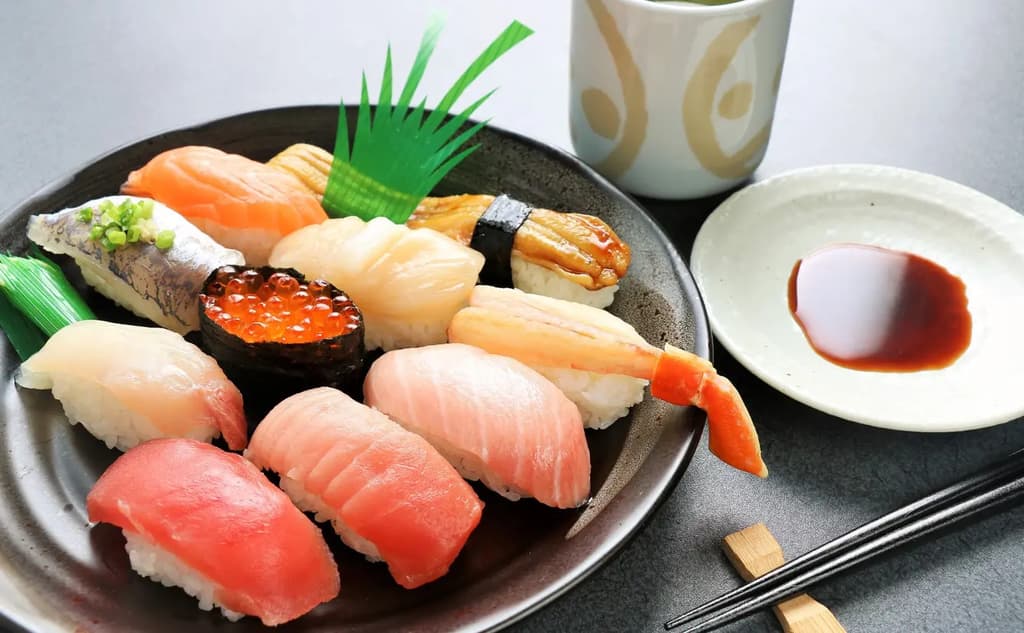
Preservation Techniques in Edomae History
One of the defining characteristics of Edomae cuisine is its focus on preserving seafood. In the absence of modern refrigeration, chefs relied on a variety of techniques to extend the shelf life of their ingredients. These methods included:
Salting: Fish was heavily salted to draw out moisture and inhibit bacterial growth.
Pickling: Seafood was submerged in vinegar or other acidic solutions to prevent spoilage.
Drying: Fish was dried in the sun or wind to reduce its water content.
Smoking: Smoking added flavor and helped to preserve fish for longer periods.
Marinating: Fish was marinated in soy sauce, sake, or other seasonings to enhance its flavor and preserve it.
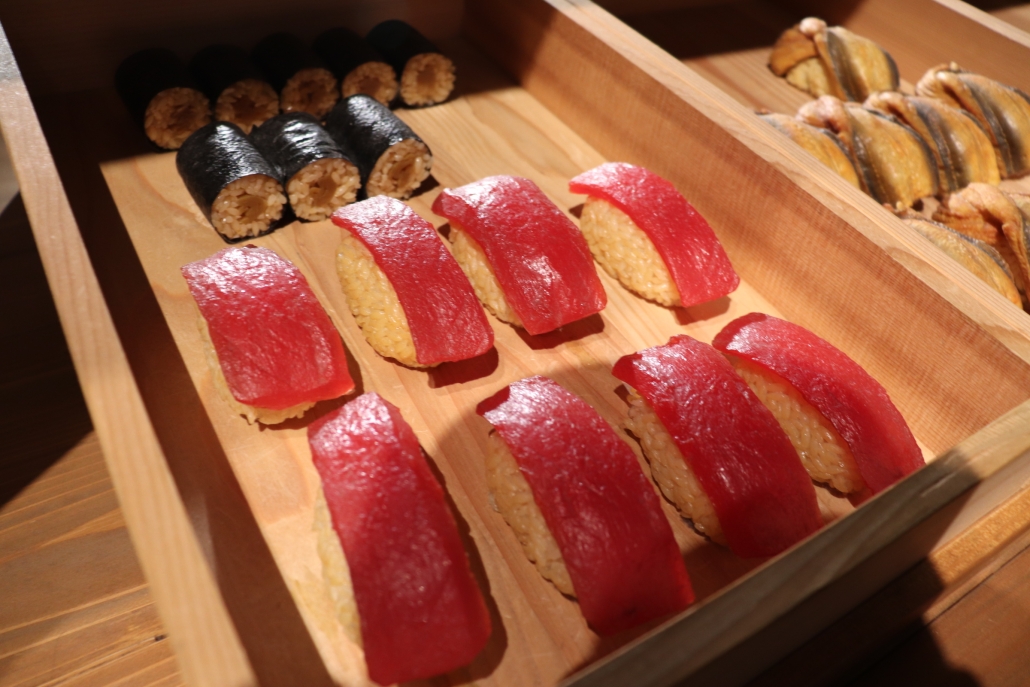
These preservation techniques not only prevented spoilage but also imparted unique flavors and textures to the seafood, becoming integral to the distinctive taste of Edomae cuisine. For example, *zuke*, or marinating tuna in soy sauce, is a classic Edomae technique that enhances the umami flavor and tenderizes the fish.
The Role of the Tokyo Bay
Tokyo Bay, formerly known as Edo Bay, played a crucial role in the development of Edomae cuisine. The bay provided a rich source of seafood, including a wide variety of fish, shellfish, and seaweed. The proximity of the bay allowed chefs to access fresh ingredients daily, ensuring the quality and seasonality of their dishes. The bounty of Tokyo Bay not only influenced the ingredients used in Edomae cuisine but also shaped its culinary techniques. For instance, certain types of fish, such as *kohada* (gizzard shad), were particularly prized for their unique flavor and texture when prepared in the Edomae style. The bay was, and still is, essential to the evolution of Edomae culinary practices.
Key Elements of Edomae Cooking
The Importance of Fresh, Local Ingredients
Edomae cuisine places a strong emphasis on using fresh, local, and seasonal ingredients. Chefs carefully select the highest quality seafood and produce from nearby sources, ensuring that their dishes reflect the flavors of the region. This commitment to local sourcing not only supports local farmers and fishermen but also contributes to the unique character of Edomae cuisine. The seasonality of ingredients is also highly valued, with chefs adapting their menus to showcase the best of what each season has to offer. For example, spring might feature dishes with young bamboo shoots and cherry blossom petals, while autumn could highlight matsutake mushrooms and sanma (Pacific saury). The concept of "shun," or the peak season for an ingredient, is central to the Edomae culinary philosophy.

Traditional Seasonings and Flavors
Edomae cuisine relies on a range of traditional seasonings and flavors to enhance the natural taste of its ingredients. These include:
Soy sauce: A staple ingredient, used for marinating, dipping, and flavoring.
Vinegar: Rice vinegar is used to season sushi rice and add a refreshing tang to dishes.
Mirin: A sweet rice wine used to add sweetness and depth of flavor.
Sake: Japanese rice wine used for cooking and drinking.
Wasabi: A pungent horseradish paste served with sushi and other dishes.
Ginger: Used as a palate cleanser and to add a zesty flavor.
Dashi: A flavorful broth made from kombu (kelp) and katsuobushi (dried bonito flakes).
These seasonings are carefully balanced to create a harmonious blend of sweet, sour, salty, and umami flavors. The precise use of these traditional Japanese seasonings is a hallmark of Edomae cooking.
Mastering the Art of Knife Skills
Knife skills are essential to Edomae cuisine. Chefs spend years honing their techniques to precisely cut and prepare fish, vegetables, and other ingredients. The way an ingredient is cut can significantly impact its texture, flavor, and presentation. Different types of knives are used for different tasks, each requiring specialized knowledge and skill. For example, the *deba* knife is used for filleting fish, while the *yanagiba* knife is used for slicing sushi and sashimi. The mastery of Japanese knife skills is a crucial aspect of Edomae culinary training.
Exploring Edomae Beyond Sushi
Edomae Tempura: A Light and Crispy Delight
While Edomae is often synonymous with sushi, it extends to other culinary delights, including tempura. Edomae tempura distinguishes itself through the use of fresh, seasonal ingredients sourced from the Tokyo Bay area, and the application of a light, delicate batter. The goal is to create a crispy coating that doesn't overshadow the natural flavor of the ingredients. Chefs meticulously control the temperature of the oil to achieve the perfect texture and color. Common ingredients include shrimp, squid, white fish, and a variety of vegetables. Edomae tempura is typically served with a tentsuyu dipping sauce, grated daikon radish, and ginger. The art of Edomae tempura lies in its simplicity and the chef's ability to highlight the quality of the ingredients.
Edomae Unagi: Grilled Eel Perfection
Edomae unagi, or grilled eel, is another classic dish that showcases the culinary traditions of the region. The preparation of unagi is a meticulous process that requires years of training. The eel is first filleted, then skewered, and dipped multiple times in a sweet and savory sauce before being grilled over charcoal. The grilling process must be carefully controlled to ensure that the eel is cooked evenly and has a crispy skin. The sauce, known as *tare*, is a closely guarded secret, often passed down through generations. Edomae unagi is typically served over rice, creating a flavorful and satisfying meal. The rich, smoky flavor of the eel combined with the sweet and savory sauce is a true testament to Edomae cuisine.
Edomae Vegetable Dishes: Seasonal Specialties
Edomae cuisine also features a variety of vegetable dishes that highlight the seasonality and freshness of local produce. These dishes often incorporate traditional Japanese cooking techniques such as simmering, pickling, and grilling. Seasonal vegetables are prepared in ways that enhance their natural flavors and textures. For example, in the spring, chefs might prepare dishes with bamboo shoots, fava beans, and asparagus. In the summer, they might use eggplant, tomatoes, and cucumbers. In the autumn, they might feature mushrooms, sweet potatoes, and pumpkins. And in the winter, they might use root vegetables such as daikon radish, burdock root, and carrots. These seasonal vegetable dishes demonstrate the versatility and adaptability of Edomae cuisine.
Edomae style is more than just a regional cuisine; it's a living testament to the history, geography, and culinary innovation of Tokyo. From its origins in preserving seafood to its embrace of seasonal ingredients and meticulous techniques, Edomae continues to evolve while honoring its rich traditions. Exploring Edomae offers a unique window into Japanese culture and a deeper appreciation for the art of cooking. The dedication to quality, seasonality, and masterful preparation techniques ensures that the legacy of Edomae cuisine will continue to thrive for generations to come.


Messenger

Back to top