
Vietnamese cuisine is celebrated globally for its vibrant flavors, fresh ingredients, and unique culinary traditions. But beyond the everyday pho and banh mi, lies a world of festival food Vietnam, a significant aspect of Vietnamese culture. These dishes, often prepared with meticulous care and passed down through generations, are central to the celebration of various festivals throughout the year. This article delves into the heart of Vietnamese festival cuisine, exploring its preparation, popular dishes, and how travelers can immerse themselves in these unique culinary experiences.
Unveiling the Secrets of Vietnamese Festival Cuisine
The Art of Preparation and Presentation
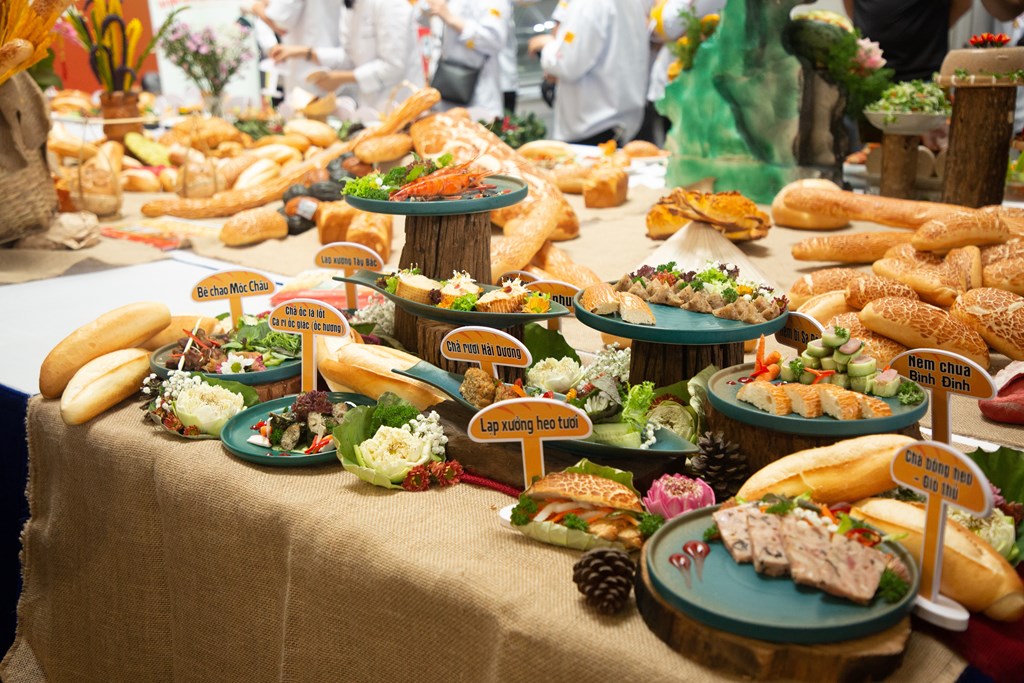
The preparation of festival food in Vietnam is often a labor of love, involving intricate techniques and a deep understanding of flavors. Dishes are not merely cooked; they are crafted, with attention paid to every detail. The visual appeal is just as important as the taste, with vibrant colors and artful arrangements enhancing the overall dining experience. Consider the meticulous folding of spring rolls or the careful layering of ingredients in a banh tet (sticky rice cake), each step reflecting a dedication to tradition and quality. The presentation of food during festivals is often symbolic, reflecting the values and beliefs of the community.
The Importance of Fresh and Local Ingredients
Vietnamese cuisine, particularly festival food, relies heavily on fresh, local ingredients. Markets bustle with activity as families select the best produce, meats, and spices for their festive meals. The emphasis on seasonality ensures that dishes are at their peak flavor, showcasing the bounty of the land. Using local ingredients also supports the community and preserves traditional farming practices.
Here are some common ingredients:
- Fresh herbs: Mint, cilantro, basil, and perilla add aromatic complexity.
- Vegetables: A wide variety of greens, roots, and fruits provide essential nutrients and textures.
- Seafood: Fish, shrimp, and crab are staples in coastal regions.
- Rice: The foundation of many Vietnamese dishes, from steamed rice to noodles and cakes.
Traditional Cooking Methods and Techniques
Vietnamese festival cuisine utilizes a range of traditional cooking methods, each contributing to the unique flavors and textures of the dishes. Steaming, boiling, stir-frying, and grilling are common techniques, often passed down through generations. The use of clay pots and wood-fired ovens adds a distinctive smoky flavor to certain dishes. Fermentation also plays a crucial role, with fermented sauces and vegetables adding depth and complexity to the cuisine. One technique that is very important is the slow cooking process. Many festival dishes require hours of simmering or braising to develop their full flavor potential.
A Guide to Popular Festival Foods
Savory Dishes: From Spring Rolls to Sticky Rice
Savory dishes take center stage during Vietnamese festivals, offering a diverse range of flavors and textures. Spring rolls, both fresh and fried, are a ubiquitous favorite, filled with vermicelli noodles, vegetables, and various meats or seafood. Sticky rice, or xoi, is another essential dish, often prepared with different fillings and toppings, such as mung beans, coconut, or fried shallots. Banh tet, a cylindrical sticky rice cake filled with savory or sweet ingredients, is a staple during Tet, the Vietnamese Lunar New Year. Nem ran (fried spring rolls) are a crispy and flavorful treat, while goi cuon (fresh spring rolls) offer a lighter, more refreshing option. These savory foods are often enjoyed with dipping sauces, such as nuoc cham (fish sauce) or peanut sauce, adding another layer of flavor to the experience.

Sweet Treats: Cakes, Desserts, and Candies
No Vietnamese festival is complete without an array of sweet treats. Cakes, desserts, and candies play a significant role in celebrations, symbolizing good fortune and happiness. Che, a sweet dessert soup, comes in countless variations, featuring ingredients like beans, tapioca pearls, fruits, and coconut milk. Banh da lon, a steamed layer cake with a vibrant green color and a slightly chewy texture, is another popular choice. Candied fruits and nuts are also common, offering a sweet and crunchy contrast to the other dishes. Mooncakes, or banh trung thu, are a quintessential treat during the Mid-Autumn Festival, filled with sweet or savory fillings and adorned with intricate designs. The sweet treats are not just delicious but also visually appealing, adding to the festive atmosphere.
Drinks and Beverages: Traditional Teas and Refreshments
Vietnamese festivals also feature a variety of traditional drinks and beverages, complementing the flavors of the food and providing refreshment. Tea, particularly green tea, is a staple, often served hot or iced. Herbal teas, made with ingredients like ginger, lemongrass, or chrysanthemum, are also popular for their health benefits and aromatic flavors. Fresh fruit juices and smoothies offer a refreshing alternative, while traditional rice wines provide a stronger kick. Bia hoi, a light and refreshing draft beer, is a common sight at festivals, bringing people together in a convivial atmosphere. These traditional drinks are an integral part of the Vietnamese festival experience, offering a taste of local culture and hospitality.
Some drinks you can find in Vietnam festivals:
- Green Tea
- Herbal Teas
- Fresh Fruit Juices
- Smoothies
- Rice Wines
Experiencing the Festivals: A Traveler's Perspective
Planning Your Trip Around Food Festivals
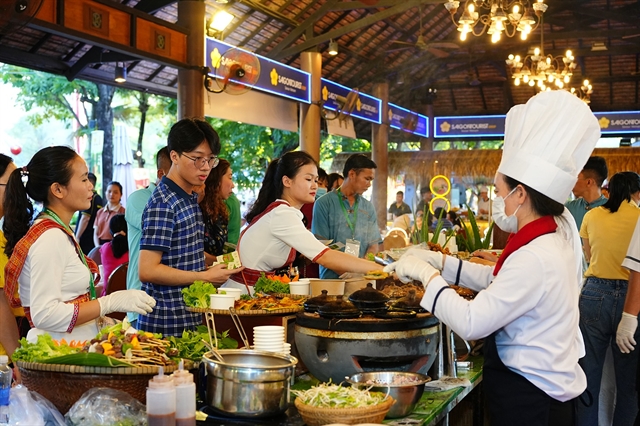
For travelers seeking an authentic culinary experience, planning a trip around Vietnamese food festivals is highly recommended. These festivals offer a unique opportunity to sample a wide variety of traditional dishes, learn about local customs, and immerse oneself in the vibrant culture. Researching the dates and locations of festivals in advance is essential, as some are region-specific and occur only once a year. Tet, the Vietnamese Lunar New Year, is the largest and most widely celebrated festival, offering a wealth of culinary experiences. The Mid-Autumn Festival, with its focus on mooncakes and family gatherings, is another popular choice. Hoi An, a UNESCO World Heritage site, is known for its vibrant food scene and hosts several food festivals throughout the year. Knowing festival dates and locations is key to planning a memorable trip.
Tips for Navigating Crowds and Trying New Foods
Navigating the crowds at Vietnamese food festivals can be challenging, but with a few tips, travelers can make the most of their experience. Arriving early is advisable to avoid the peak hours and secure a good spot. Be prepared for large crowds and long lines, and exercise patience. Trying new foods is a must, but it's also important to be mindful of food safety. Look for vendors with clean stalls and freshly prepared dishes. Don't be afraid to ask questions about the ingredients and preparation methods. Start with small portions to avoid overwhelming your palate. Staying hydrated is also crucial, especially in the hot and humid weather. With preparation, you can navigate the crowds and enjoy the delicious offerings.
Here are some tips for trying new foods:
Respecting Local Customs and Traditions
When attending Vietnamese food festivals, it's important to be respectful of local customs and traditions. Dress modestly and avoid wearing revealing clothing. Remove your shoes before entering temples or homes. Ask for permission before taking photographs of people or religious ceremonies. Learn a few basic Vietnamese phrases, such as "xin chao" (hello) and "cam on" (thank you), to show your appreciation. Be mindful of your behavior and avoid being loud or disruptive. By respecting local customs, travelers can demonstrate their appreciation for Vietnamese culture and ensure a positive and memorable experience. Showing respect for local customs and traditions is key to a positive experience.
Here are some ways to respect local customs:
- Dress modestly.
- Remove your shoes before entering temples or homes.
- Ask for permission before taking photographs.
- Learn a few basic Vietnamese phrases.
- Be mindful of your behavior.
Vietnamese festival food offers a fascinating glimpse into the country's rich culinary heritage and cultural traditions. From the meticulous preparation of traditional dishes to the vibrant atmosphere of food festivals, there's much to discover and savor. By planning a trip around these festivals, travelers can immerse themselves in the authentic flavors of Vietnam and create lasting memories. Whether you're sampling savory spring rolls, indulging in sweet treats, or sipping on traditional teas, the experience is sure to be a delight for the senses. So, pack your bags, sharpen your appetite, and prepare to embark on a culinary journey through the heart of Vietnam. Immersing yourself in the rich culinary heritage of Vietnam will be a memorable experience. Don't miss the chance to explore the unique food culture and enjoy the festivities.


Messenger

Back to top