
The Mekong Delta, often referred to as the 'Rice Bowl of Vietnam,' is a fertile region renowned not only for its agricultural abundance but also for its incredibly diverse and flavorful cuisine. This article delves into the heart of Mekong Delta cuisine, exploring the ingredients, dishes, and culinary traditions that make it a unique and unforgettable experience for food lovers.
The Sweet and Savory Flavors of the Mekong Delta
Mekong Delta cuisine is characterized by its harmonious blend of sweet, sour, salty, spicy, and umami flavors. This balance is achieved through the use of fresh ingredients, traditional cooking techniques, and a deep understanding of how different flavors complement each other.
The Importance of Rice in Mekong Delta Meals
As the 'Rice Bowl of Vietnam,' it's no surprise that rice is the cornerstone of Mekong Delta cuisine. It's not just a staple; it's an integral part of nearly every meal. Rice is consumed in various forms, from steamed rice and broken rice (com tam) to rice noodles (bun) and rice paper (banh trang). The region's fertile soil and abundant water supply allow for the cultivation of high-quality rice, which forms the foundation of countless dishes.
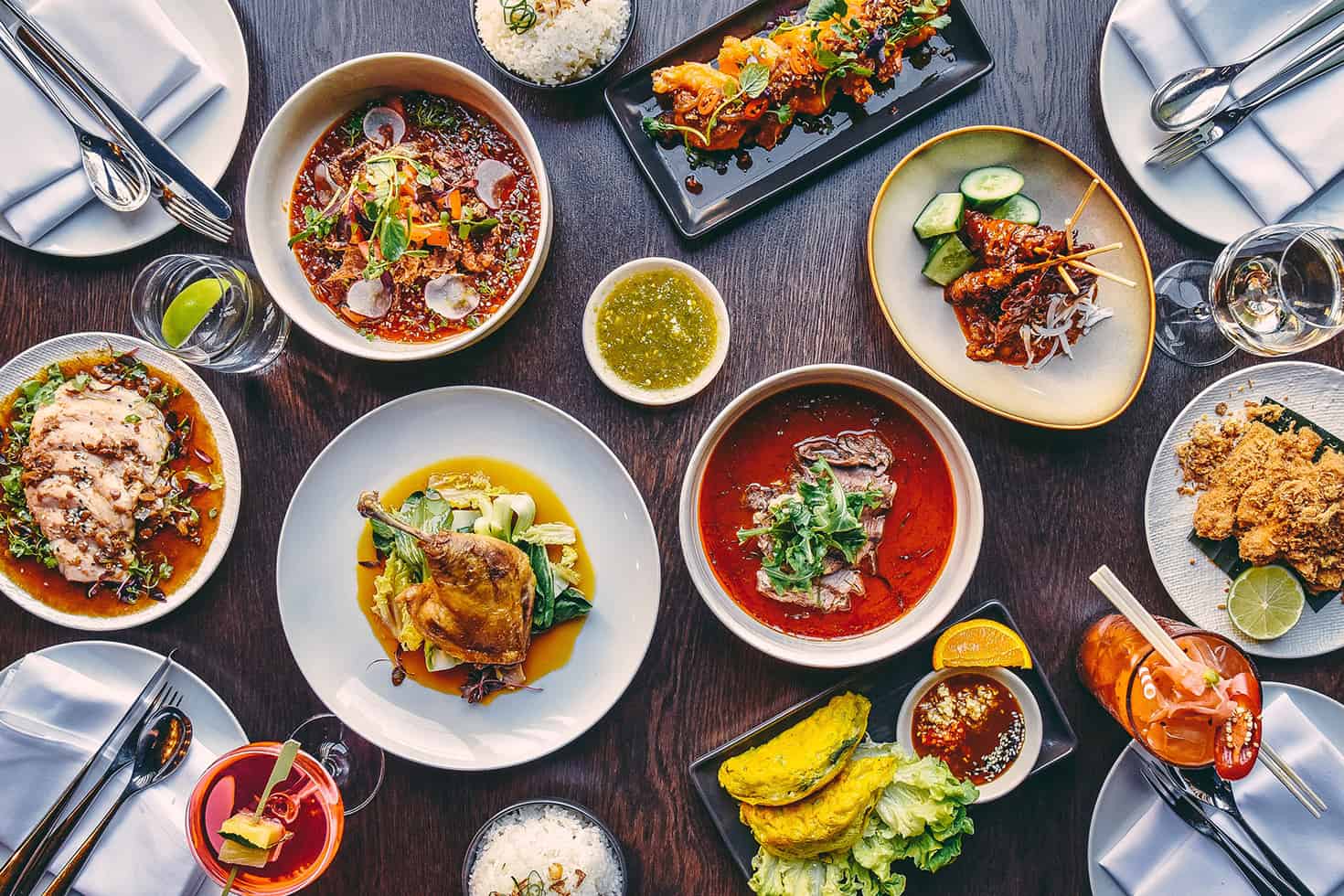
Rice is so important that it even features in desserts and snacks. Sweet sticky rice (xoi) is a popular treat, often served with coconut milk and various toppings. Rice flour is used to make a variety of cakes and pancakes, showcasing the versatility of this essential ingredient. The use of high-quality rice elevates even simple dishes to something special.
Using Fresh Herbs and Vegetables
The Mekong Delta's tropical climate and fertile soil provide an ideal environment for growing a wide variety of fresh herbs and vegetables. These ingredients are used liberally in Mekong Delta cuisine, adding freshness, flavor, and nutritional value to every dish. Common herbs include mint, cilantro, basil, lemongrass, and Vietnamese coriander. Vegetables such as water spinach, morning glory, and various types of greens are also frequently used.
Herbs and vegetables are not just garnishes; they are essential components of many dishes. They are used to balance flavors, add texture, and provide a refreshing counterpoint to richer ingredients. For example, fresh herbs are often served alongside noodle soups and spring rolls, allowing diners to customize the flavor profile to their liking. The abundance of fresh herbs and vegetables is a hallmark of the region's culinary identity.
Unique Fermented Ingredients
Fermentation plays a significant role in Mekong Delta cuisine, adding depth and complexity to many dishes. One of the most iconic fermented ingredients is fish sauce (nuoc mam), which is used as a seasoning and dipping sauce. Mam is another fermented product, made from various types of fish or shrimp, and is used to add a pungent, umami flavor to dishes. Pickled vegetables are also common, providing a sour and crunchy element to meals.
These fermented ingredients are not for the faint of heart, but they are essential to understanding the true flavors of the Mekong Delta. They add a unique dimension to the cuisine, setting it apart from other regional styles of Vietnamese cooking. Exploring the use of fermented ingredients offers a deeper understanding of the region's culinary traditions.
Regional Specialties Across the Mekong Delta
The Mekong Delta is a diverse region, and each province has its own unique culinary specialties. These dishes reflect the local ingredients, traditions, and cultural influences of each area.
Can Tho's Banh Cong
Can Tho, the largest city in the Mekong Delta, is famous for its Banh Cong. These small, savory cakes are made from rice flour, mung beans, and shrimp, and are deep-fried until golden brown and crispy. Banh Cong are typically served with fresh herbs, vegetables, and a sweet and sour dipping sauce.
The crispy texture and savory filling of Banh Cong make it a popular snack and street food in Can Tho. It's a must-try dish for anyone visiting the city and wanting to experience the local cuisine. Finding the best Banh Cong in Can Tho is a culinary adventure in itself.
Tra Vinh's Bun Nuoc Leo
Tra Vinh, a province known for its Khmer cultural influences, is famous for Bun Nuoc Leo. This unique noodle soup features a broth made from fermented fish sauce (mam), coconut milk, and tamarind. It's typically served with rice noodles, shrimp, roasted pork, and a variety of fresh herbs and vegetables.
The combination of sweet, sour, and savory flavors in Bun Nuoc Leo makes it a truly unforgettable dish. It reflects the cultural diversity of Tra Vinh and is a testament to the region's culinary creativity. Bun Nuoc Leo's complex flavors are a true reflection of the Mekong Delta.
Ben Tre's Coconut-Infused Dishes
Ben Tre, known as the 'Coconut Kingdom' of Vietnam, is famous for its coconut-infused dishes. Coconut milk, coconut water, and coconut meat are used in a variety of savory and sweet dishes. One of the most popular dishes is coconut braised pork (thit kho tau), which features tender pork belly braised in coconut water and fish sauce.
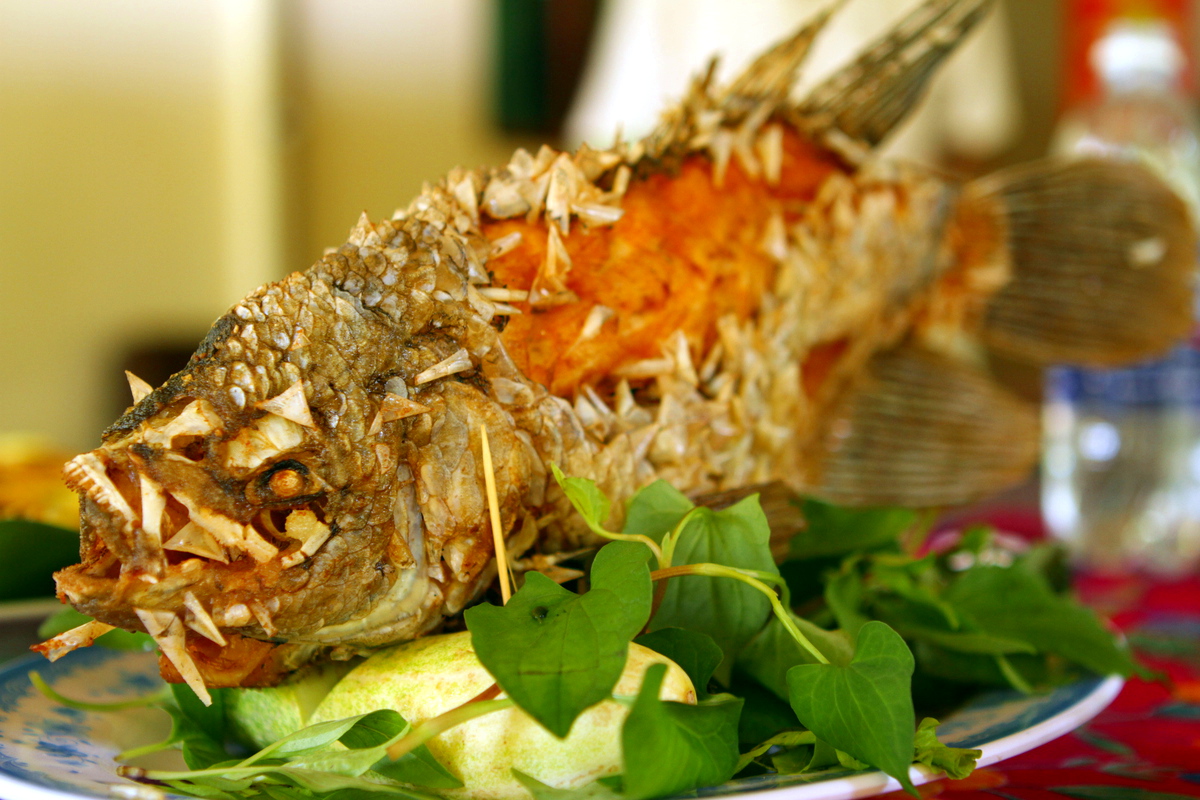
Coconut candy (keo dua) is another popular treat from Ben Tre, made from coconut milk, sugar, and malt syrup. The sweet, chewy candy is a perfect souvenir to take home and share with friends and family. The use of coconut in Ben Tre cuisine highlights the region's natural resources and culinary innovation.
Where to Find the Best Mekong Delta Food
Finding the best Mekong Delta food is an adventure in itself. From bustling city restaurants to hidden homestays and vibrant street food stalls, there are countless opportunities to discover the region's culinary treasures.
Recommended Restaurants in Major Cities
Major cities like Can Tho, My Tho, and Long Xuyen offer a wide range of restaurants serving both traditional and modern Mekong Delta cuisine. These restaurants often feature extensive menus showcasing the region's diverse dishes, from fresh seafood to flavorful noodle soups and hearty rice dishes.
Some popular restaurants include Nha Hang Nam Bo in Can Tho, known for its elegant atmosphere and traditional Vietnamese dishes, and Hu Tieu My Tho, a local favorite in My Tho specializing in the region's signature noodle soup. Exploring the restaurants in major Mekong Delta cities offers a convenient way to sample a variety of dishes.
Here are some recommendations for restaurants:
- Nha Hang Nam Bo (Can Tho): Known for its elegant atmosphere and traditional Vietnamese dishes.
- Hu Tieu My Tho (My Tho): Specializes in the region's signature noodle soup.
- Quan Oc So 1 (Ca Mau): Offers a wide variety of fresh seafood dishes.
Homestays Offering Authentic Meals
For a more immersive culinary experience, consider staying at a homestay in the Mekong Delta. Many homestays offer authentic meals prepared with fresh, local ingredients. This is a great way to learn about the region's culinary traditions and sample home-cooked dishes that you won't find in restaurants.
Homestays often offer cooking classes, allowing you to learn how to prepare traditional Mekong Delta dishes yourself. This is a unique and rewarding experience that will give you a deeper appreciation for the region's cuisine. Staying at a Mekong Delta homestay provides an authentic culinary experience.
Street Food Hotspots to Explore
No culinary journey through the Mekong Delta is complete without exploring its vibrant street food scene. Street food stalls and vendors can be found throughout the region, offering a wide variety of affordable and delicious dishes. From Banh Xeo (crispy pancakes) to Goi Cuon (fresh spring rolls) and Che (sweet desserts), there's something for everyone to enjoy.
Exploring the street food scene is a great way to discover hidden culinary gems and experience the local culture. Be sure to try the local specialties and don't be afraid to venture off the beaten path. The street food in the Mekong Delta is a culinary adventure waiting to happen.
Here are some must-try street foods:
- Banh Xeo (crispy pancakes)
- Goi Cuon (fresh spring rolls)
- Che (sweet desserts)
- Banh Cong (savory cakes)
Mekong Delta cuisine is a vibrant and flavorful reflection of the region's rich agricultural heritage and cultural diversity. From the importance of rice and fresh herbs to the unique fermented ingredients and regional specialties, there's always something new to discover. Whether you're exploring bustling city restaurants, staying at a cozy homestay, or venturing into the vibrant street food scene, the Mekong Delta promises an unforgettable culinary journey. Experiencing the culinary delights of the Mekong Delta is a must for any food enthusiast visiting Vietnam.


Messenger

Back to top