
The New Year in Japan, or Shogatsu, is a time of profound cultural significance, marked by traditions that have been passed down through generations. Central to these traditions is the food, which is not merely sustenance but a symbol of hope, prosperity, and good health for the coming year. From the elaborately prepared Osechi Ryori to the comforting warmth of Ozoni soup, each dish plays a vital role in welcoming the New Year. Embarking on a culinary exploration of Japanese New Year food reveals the rich tapestry of customs and beliefs woven into the fabric of Japanese society.
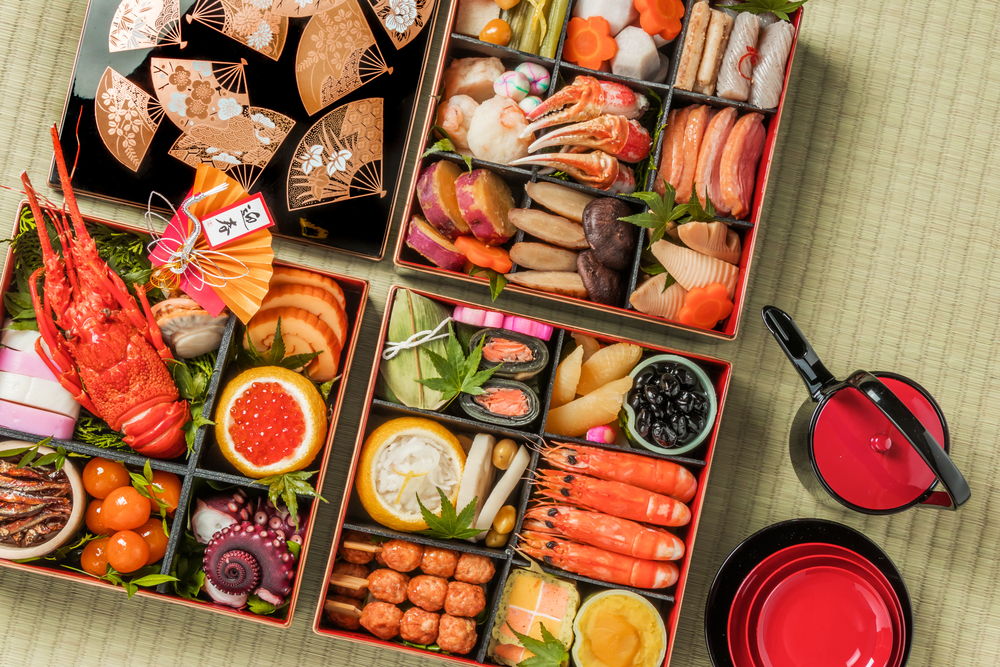
Osechi Ryori: The Quintessential New Year Feast
Osechi Ryori is perhaps the most iconic of all New Year foods in Japan. It's a carefully curated assortment of dishes, each prepared with specific symbolism and intention. Traditionally, Osechi is enjoyed over the first three days of the New Year, allowing families to rest and enjoy each other's company without the need for cooking. The presentation of Osechi is just as important as the taste. The dishes are arranged in beautiful lacquered boxes called jubako, which resemble bento boxes and are stacked to represent layers of happiness and prosperity for the coming year.
Symbolism Behind Each Dish in Osechi
Every item in Osechi Ryori carries a special meaning, reflecting wishes for different aspects of life. Here are a few examples:
- Kuromame (sweet black beans): Representing good health and hard work. The name 'mame' also sounds like the word for 'health' in Japanese.
- Kazunoko (herring roe): Symbolizing fertility and a prosperous family, as 'kazu' means 'number' and 'ko' means 'child.'
- Tazukuri (dried sardines cooked in soy sauce): Wishing for a good harvest. The dried sardines were historically used to fertilize rice paddies.
- Datemaki (sweet rolled omelet mixed with fish paste): Representing a wish for scholarly achievement. Its shape resembles a scroll.
- Kohaku Kamaboko (red and white fish cakes): The red color is believed to ward off evil, while white symbolizes purity.
- Kuri Kinton (mashed sweet potato with chestnuts): Symbolizing wealth and economic success. The golden color resembles gold nuggets.
- Ebi (shrimp): Representing longevity, as the bent shape of shrimp resembles an elderly person.
These are just a few examples of the many dishes found in Osechi Ryori, each carefully chosen to bring good fortune in the New Year. The time and effort put into preparing Osechi reflect the importance of these wishes and the deep connection to tradition.
Regional Variations of Osechi Ryori
While the core principles of Osechi Ryori remain consistent across Japan, regional variations add a unique local flavor to the New Year feast. Ingredients and preparation methods often differ based on local specialties and customs. For example:
- Kanto Region (Tokyo): Osechi in this region tends to be sweeter, reflecting the local preference for sweeter flavors.
- Kansai Region (Kyoto, Osaka): Osechi here often includes dishes with a more refined and delicate taste, reflecting the region's culinary heritage.
- Kyushu Region: This region is known for its use of local ingredients like chicken and seafood, resulting in a heartier and more flavorful Osechi.
Exploring these regional variations of traditional Japanese New Year foods offers a deeper appreciation for the diversity of Japanese cuisine and the way local ingredients and traditions shape the New Year celebration.
Making Osechi Ryori at Home
While many families purchase pre-made Osechi sets from department stores or restaurants, making Osechi at home is a cherished tradition for some. Preparing Osechi at home allows for customization and ensures that the dishes are made with the freshest ingredients and according to family preferences. However, it's a labor-intensive process that requires careful planning and preparation.
Here's a general overview of the steps involved in making Osechi Ryori:
Making Osechi at home is a rewarding experience that connects you to Japanese culture and allows you to create a personalized New Year feast for your family.
Other Popular New Year Foods in Japan
While Osechi Ryori is the centerpiece of the New Year feast, other dishes are also commonly enjoyed during this time, each with its own unique significance.
Ozoni: Mochi Soup
Ozoni is a traditional mochi (rice cake) soup that is enjoyed throughout Japan during the New Year. The ingredients and flavor of Ozoni vary significantly depending on the region and even the household. However, the core element remains the same: mochi simmered in a flavorful broth.
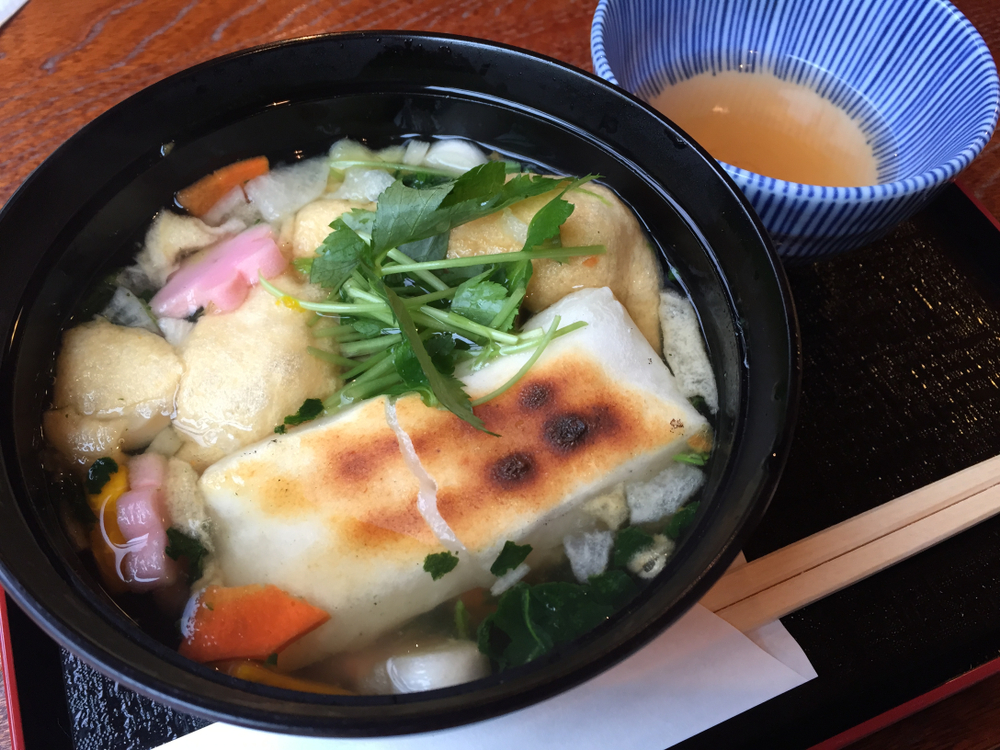
Here are some common variations of Ozoni:
- Kanto-style Ozoni: Typically features a clear broth seasoned with soy sauce and includes square-shaped grilled mochi, chicken, and vegetables.
- Kansai-style Ozoni: Often features a white miso-based broth and includes round-shaped boiled mochi, taro, and carrots.
Ozoni is more than just a soup; it's a symbol of family unity and regional identity. The act of sharing a bowl of Ozoni with loved ones is a cherished New Year tradition.
Toshikoshi Soba: Year-Crossing Noodles
Toshikoshi Soba, or year-crossing noodles, are long buckwheat noodles eaten on New Year's Eve. The tradition of eating Toshikoshi Soba dates back to the Edo period and is believed to bring good luck and longevity. The long noodles symbolize a long life, and the act of cutting the noodles is said to sever ties with the past year and welcome the new one.
The simplicity of Toshikoshi Soba belies its significance. It's a humble dish that represents the hope for a long and fulfilling life. The custom of eating these noodles on New Year's Eve is a deeply ingrained part of Japanese culture, symbolizing a bridge between the old year and the new.
Zenzai: Sweet Red Bean Soup with Mochi
Zenzai is a sweet soup made from azuki red beans and mochi. It's often enjoyed during the New Year as a sweet treat and is believed to bring good luck. The red color of the azuki beans is considered auspicious and is thought to ward off evil spirits.
Zenzai is a comforting and satisfying dish that provides a sweet ending to the New Year feast. The combination of sweet red beans and chewy mochi is a delightful treat that embodies the spirit of celebration and good fortune.
Traditions and Customs Surrounding New Year Food
The food enjoyed during the New Year in Japan is deeply intertwined with various traditions and customs, reflecting the importance of family, community, and good fortune.
The Importance of Family Gathering
The New Year is a time for families to come together and celebrate. Sharing meals, especially Osechi Ryori and Ozoni, is a central part of this tradition. Families often travel long distances to be with their loved ones, reinforcing the bonds of kinship and creating lasting memories. Family gatherings during the New Year are a time for reflection, gratitude, and hope for the future.
Avoiding Cooking During the First Three Days
Traditionally, it is considered taboo to cook during the first three days of the New Year. This custom stems from the belief that the kitchen god should be allowed to rest. Osechi Ryori is specifically designed to be eaten cold and last for several days, allowing families to avoid cooking and focus on spending time together. This tradition emphasizes the importance of rest and relaxation during the New Year celebration.
Enjoying Food with New Year Decorations
New Year decorations, such as kadomatsu (pine and bamboo decorations) and shimekazari (sacred straw ropes), are often displayed in homes and businesses to welcome the Toshigami, or New Year deities. These decorations are believed to bring good luck and prosperity. Enjoying New Year food in the presence of these decorations enhances the festive atmosphere and reinforces the connection to tradition. The visually appealing decorations create a sense of reverence and celebration, setting the stage for a prosperous and joyful New Year.
The food eaten during the New Year in Japan is far more than just sustenance. It's a powerful symbol of hope, prosperity, and family unity. From the meticulously prepared Osechi Ryori to the simple yet meaningful Toshikoshi Soba, each dish carries a unique story and reflects the deep-rooted traditions of Japanese culture. Understanding the symbolism and customs surrounding Japanese New Year celebrations provides a deeper appreciation for the rich tapestry of Japanese society and the importance of preserving these traditions for future generations. As families gather around the table to share these special meals, they are not only nourishing their bodies but also strengthening their bonds and embracing the promise of a bright and prosperous New Year. The culinary traditions of the Japanese New Year offer a fascinating glimpse into the heart of Japanese culture, showcasing the values of family, community, and respect for tradition.


Messenger

Back to top