
Vietnamese cuisine is renowned for its vibrant flavors, fresh ingredients, and unique culinary traditions. Among the many delicacies this Southeast Asian nation has to offer, snail dishes stand out as a particularly intriguing and beloved component of its gastronomic landscape. From bustling street food stalls to upscale restaurants, snails, locally known as ốc, are prepared and enjoyed in countless ways, reflecting the diverse regional influences and culinary creativity of the Vietnamese people. This article delves into the fascinating world of ốc in Vietnamese cuisine, exploring its history, preparation, and the cultural significance it holds.

The Fascinating History of Snails in Vietnamese Cuisine
Ancient Origins of Snail Consumption
The consumption of snails in Vietnam dates back centuries, with evidence suggesting that snails were a part of the Vietnamese diet long before recorded history. Archaeological findings in various parts of the country reveal ancient tools and remnants of snail shells, indicating that early inhabitants of the region relied on snails as a source of protein and essential nutrients. This practice was likely born out of necessity, as snails were readily available in the wetlands, rice paddies, and coastal areas of Vietnam. Over time, what began as a survival strategy evolved into a culinary tradition, with different regions developing their unique methods of preparing and enjoying snails.
Historically, snails were not just a food source but also a part of traditional medicine. Certain types of snails were believed to have medicinal properties, used to treat various ailments. This dual role of snails as both food and medicine underscores their importance in the early Vietnamese culture.
Regional Variations in Snail Preparation
One of the most remarkable aspects of Vietnamese cuisine is its regional diversity, and this is certainly reflected in the preparation of snail dishes. Each region boasts its own unique recipes, cooking techniques, and flavor profiles, making the exploration of ốc a culinary adventure in itself.
- Northern Vietnam: In the northern regions, such as Hanoi, snail dishes tend to be more subtle and refined. Steaming and grilling are common methods, allowing the natural flavors of the snails to shine through. Popular dishes include ốc luộc (boiled snails) served with a dipping sauce made from fish sauce, ginger, and chili, and bún ốc, a flavorful noodle soup with snails.
- Central Vietnam: Central Vietnam, known for its imperial cuisine, offers a spicier and more complex approach to snail preparation. Dishes like ốc xào sả ớt (stir-fried snails with lemongrass and chili) are popular, showcasing the region's love for bold flavors. The use of local herbs and spices adds depth and aroma to the dishes.
- Southern Vietnam: In the southern regions, particularly in Ho Chi Minh City (Saigon), snail dishes are incredibly diverse and reflect the region's openness to culinary influences from other cultures. Here, you can find everything from ốc nướng mỡ hành (grilled snails with scallion oil) to ốc len xào dừa (snails cooked in coconut milk), a creamy and fragrant delicacy. The southern style often incorporates sweetness and richness, making the dishes incredibly satisfying.
These regional variations highlight the adaptability and creativity of Vietnamese chefs, who have mastered the art of transforming a simple ingredient like snails into a myriad of culinary masterpieces.
Snails in Vietnamese Folk Tales and Traditions
Beyond their culinary significance, snails also hold a special place in Vietnamese folklore and traditions. They often appear in folk tales and legends, symbolizing various aspects of life, such as perseverance, resourcefulness, and transformation. One popular folk tale tells the story of a poor farmer who finds a magical snail that brings him good fortune, illustrating the potential for transformation and unexpected blessings.
In some rural communities, snails are also associated with agricultural rituals and beliefs. Farmers may offer snails as a symbolic gesture to ensure a bountiful harvest, reflecting the close relationship between the Vietnamese people and the land. These cultural associations add another layer of appreciation for snails, elevating them beyond mere food to a symbol of Vietnamese heritage and identity. Cultural importance of snails can not be ignored when you explore Vietnamese cuisine.

Essential Ingredients and Preparation Techniques
Selecting Fresh and High-Quality Snails
The key to any great snail dish lies in the quality and freshness of the ingredients. Selecting the right snails requires a keen eye and a bit of knowledge. Here are some tips to ensure you're choosing the best snails for your culinary creations:
- Look for Live Snails: The most important factor is to ensure that the snails are alive. Live snails will retract into their shells when touched and should have a fresh, earthy smell. Avoid snails that are open, unresponsive, or have a foul odor.
- Check the Shell: The shell should be intact and free from cracks or damage. A healthy shell indicates that the snail has been well-nourished and is in good condition.
- Consider the Type of Snail: Different types of snails are used in Vietnamese cuisine, each with its own unique flavor and texture. Some popular varieties include ốc hương (fragrant snails), ốc móng tay (finger snails), and ốc bươu (apple snails). Choose the type of snail that best suits the dish you plan to prepare.
- Buy from Reputable Sources: Purchase snails from reputable markets or vendors who have a good turnover of stock. This ensures that the snails are fresh and have been handled properly.
Cleaning and Preparing Snails for Cooking
Once you've selected your snails, the next step is to clean and prepare them for cooking. This process is crucial to remove any dirt, grit, or impurities that may affect the flavor and texture of the dish. Here's a step-by-step guide:
Proper cleaning and preparation are essential to ensure that your snail dishes are not only delicious but also safe to eat.
Common Spices and Herbs Used in Snail Dishes
Vietnamese cuisine is celebrated for its harmonious blend of flavors, and the use of spices and herbs plays a crucial role in creating these complex flavor profiles. When it comes to snail dishes, certain spices and herbs are particularly favored for their ability to enhance the natural flavors of the snails and add depth and aroma to the dish.
- Lemongrass: With its citrusy and slightly floral aroma, lemongrass is a staple in Vietnamese cooking. It pairs perfectly with snails, adding a refreshing and zesty note to the dish.
- Chili: Vietnamese cuisine embraces spiciness, and chili is used generously in many snail dishes. It adds heat and complexity, balancing the richness of the snails.
- Ginger: Known for its warm and slightly pungent flavor, ginger is often used to neutralize any unwanted odors and add a layer of warmth to the dish.
- Garlic: Aromatic and versatile, garlic is a fundamental ingredient in Vietnamese cooking. It adds depth and complexity to snail dishes, enhancing their overall flavor.
- Fish Sauce: The quintessential Vietnamese condiment, fish sauce adds a salty, umami-rich flavor that is essential to many snail dishes.
- Lime: A squeeze of fresh lime juice brightens up the dish, adding a tangy and refreshing note that balances the other flavors.
- Vietnamese Mint: This aromatic herb adds a refreshing and slightly peppery flavor to snail dishes, complementing the other spices and herbs.
These are just a few of the many spices and herbs that are commonly used in Vietnamese snail dishes. The specific combination and proportions will vary depending on the region and the particular recipe, but the goal is always the same: to create a harmonious and flavorful dish that celebrates the natural flavors of the snails.
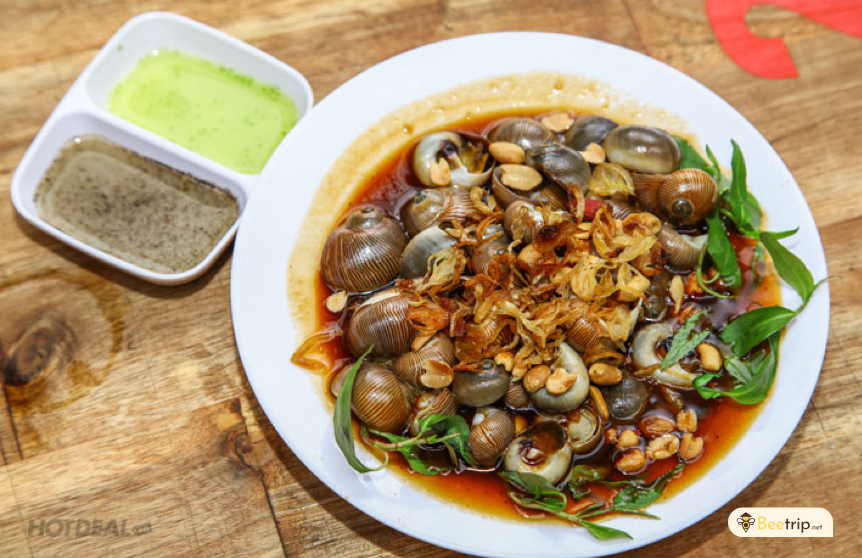
A Guide to Enjoying Snail Dishes Like a Local
Ordering and Eating Etiquette
Enjoying snail dishes in Vietnam is not just about the food itself; it's also about the experience. Here are some tips to help you navigate the world of ốc like a local:
- Know Your Snails: Familiarize yourself with the different types of snails available and their corresponding dishes. This will help you make informed choices and avoid any surprises.
- Order a Variety: Don't be afraid to try a few different dishes. Ordering a variety of snails allows you to experience the full range of flavors and textures that Vietnamese cuisine has to offer.
- Ask for Recommendations: If you're unsure what to order, ask the staff for recommendations. They can guide you towards popular dishes or regional specialties that you might enjoy.
- Embrace the Mess: Eating snails can be a messy affair, but that's part of the fun. Don't be afraid to get your hands dirty and use the provided tools to extract the snail meat from the shells.
- Share with Friends: Snail dishes are often shared among friends and family, creating a communal and social dining experience.
In terms of eating etiquette, it's perfectly acceptable to use your hands to eat snails. Most establishments will provide small forks or skewers to help you extract the meat from the shells. It's also customary to dip the snail meat in the accompanying sauce before eating it. Remember to take your time and savor the flavors, enjoying the experience with your companions. Enjoying Vietnamese snail is a unique experience for food lovers.
Pairing Snail Dishes with Drinks
The right drink can enhance the flavors of snail dishes and elevate your dining experience. Here are some popular pairings:
- Beer: A cold beer is a classic accompaniment to Vietnamese street food, and it pairs perfectly with snail dishes. The crispness of the beer cuts through the richness of the snails, creating a refreshing contrast.
- Rice Wine: For a more traditional pairing, try Vietnamese rice wine. Its subtle sweetness and warming effect complement the savory flavors of the snails.
- Herbal Tea: A cup of hot herbal tea can be a soothing and refreshing accompaniment to snail dishes, especially those with spicy or rich sauces.
- Soft Drinks: If you prefer non-alcoholic beverages, opt for a refreshing soft drink like iced tea or lemonade.
Ultimately, the best drink pairing is a matter of personal preference. Experiment with different options to find the combination that you enjoy the most.
Exploring Different Snail Dishes Based on Region
As mentioned earlier, Vietnamese cuisine varies significantly from region to region, and this is certainly reflected in the preparation of snail dishes. To truly appreciate the diversity of ốc in Vietnamese cuisine, it's worth exploring some of the regional specialties:
- Ốc Len Xào Dừa (Snails Cooked in Coconut Milk): This southern specialty features snails cooked in a creamy and fragrant coconut milk sauce. The sweetness of the coconut milk complements the savory flavors of the snails, creating a rich and satisfying dish.
- Ốc Hương Hấp Sả (Steamed Fragrant Snails with Lemongrass): A popular dish throughout Vietnam, this simple yet flavorful preparation involves steaming fragrant snails with lemongrass, ginger, and chili. The steaming process preserves the natural flavors of the snails, while the aromatics add depth and complexity.
- Bún Ốc (Snail Noodle Soup): A northern specialty, bún ốc is a flavorful noodle soup made with snails, tomatoes, and a tangy broth. It's a hearty and satisfying dish that's perfect for a cool day.
- Ốc Nướng Mỡ Hành (Grilled Snails with Scallion Oil): This dish features snails grilled and topped with a generous amount of scallion oil. The grilling process gives the snails a smoky flavor, while the scallion oil adds richness and aroma.
- Gỏi Ốc Giác (Snails Salad): This refreshing salad features boiled snails mixed with julienned vegetables, herbs, and a tangy dressing. It's a light and flavorful dish that's perfect for a hot day.
By exploring these and other regional specialties, you'll gain a deeper appreciation for the diversity and creativity of Vietnamese cuisine. Traveling Vietnam for food is a great way to experience regional snail dishes.
Snails in Vietnamese cuisine are far more than just a food item; they are a reflection of the country's rich history, diverse regional influences, and culinary creativity. From ancient times to the present day, snails have played a significant role in the Vietnamese diet and culture, evolving from a simple source of sustenance to a culinary delicacy enjoyed by locals and visitors alike. Whether you're a seasoned foodie or a curious traveler, exploring the world of ốc is an adventure that will tantalize your taste buds and deepen your appreciation for Vietnamese cuisine. So, the next time you find yourself in Vietnam, be sure to indulge in the delightful world of snail dishes and experience the true essence of Vietnamese culinary tradition. Remember these Vietnamese cooking techniques when you try to recreate these dishes at home.


Messenger

Back to top