
Central Vietnam, a region known for its stunning landscapes and rich history, also boasts a distinctive culinary identity. Unlike the sweeter flavors of the South or the subtle nuances of the North, central vietnamese cuisine is characterized by its bold and spicy flavors, a legacy of its royal past and challenging climate. This article will take you on a journey through the heart of Central Vietnam, exploring its geography, history, key ingredients, and, of course, its most iconic dishes. We'll also guide you on where to find the most authentic culinary experiences and even how to recreate these flavors in your own kitchen.

Exploring the Culinary Delights of Central Vietnamese Cuisine
Central Vietnam's cuisine offers a diverse tapestry of flavors influenced by its geography, history, and culture. From the imperial city of Huế to the bustling port city of Đà Nẵng and the ancient town of Hội An, each region contributes its unique culinary traditions, resulting in a vibrant and unforgettable gastronomic experience. This article will navigate you through the essential aspects of this fascinating regional cuisine.
A Brief Overview of Central Vietnam's Geography and Climate
Central Vietnam is a narrow strip of land stretching along the country's eastern coast. The Annamite Range dominates the western landscape, while the eastern side is characterized by a series of coastal plains. This diverse geography plays a significant role in shaping the region's agriculture and, consequently, its cuisine. The climate is tropical monsoon, with distinct wet and dry seasons. The hot and humid summers necessitate the use of strong spices and herbs to preserve food and stimulate appetite. Frequent typhoons and floods can also impact crop availability, leading to resourcefulness and creativity in the kitchen. These conditions have fostered a culinary tradition that emphasizes preservation techniques and the use of locally sourced ingredients. The geography and climate influences the availability of certain ingredients.
The Historical Influences Shaping Central Vietnamese Food
The history of Central Vietnam is deeply intertwined with its culinary identity. For centuries, the region was the seat of the Nguyễn Dynasty, the last ruling family of Vietnam. The imperial court in Huế exerted a profound influence on the development of Central Vietnamese cuisine, fostering a culture of refinement and artistry in food preparation. Many dishes were meticulously crafted for the emperor and his court, emphasizing presentation, flavor balance, and the use of rare and expensive ingredients. This royal culinary tradition trickled down to the common people, influencing everyday cooking and creating a unique culinary heritage. The influence of the Nguyễn Dynasty on food presentation is still evident today.
Key Ingredients and Spices Used in Central Vietnamese Cooking
Central Vietnamese cuisine is characterized by its bold and complex flavors, achieved through the skillful use of a variety of key ingredients and spices. Shrimp paste (mắm ruốc) is a staple ingredient, adding a pungent and savory depth to many dishes. Fish sauce (nước mắm), a ubiquitous condiment in Vietnamese cuisine, is also used extensively, but often with a regional twist. Chili peppers are another essential element, providing the signature heat that distinguishes Central Vietnamese food. Lemongrass, ginger, garlic, and shallots are also commonly used to create aromatic and flavorful bases for soups, stews, and stir-fries. The use of local herbs, such as mint, basil, and cilantro, adds freshness and complexity to the dishes. These herbs are often served as accompaniments, allowing diners to customize the flavors to their liking. The abundant use of fresh herbs in central Vietnam distinguishes it from other regions.
- Shrimp Paste (Mắm Ruốc): Fermented shrimp paste adds a unique umami flavor.
- Fish Sauce (Nước Mắm): Essential condiment, providing salty and savory notes.
- Chili Peppers: Adds heat and spice, a signature of the region.
- Lemongrass: Aromatic stalk, infusing dishes with citrusy flavors.
- Ginger: Adds warmth and spice to many dishes.
Must-Try Dishes from Central Vietnam
Central Vietnam is a paradise for food lovers, offering a plethora of unique and delicious dishes. Here are a few must-try specialties that showcase the region's culinary prowess:
Cao Lầu: The Iconic Noodle Dish of Hội An
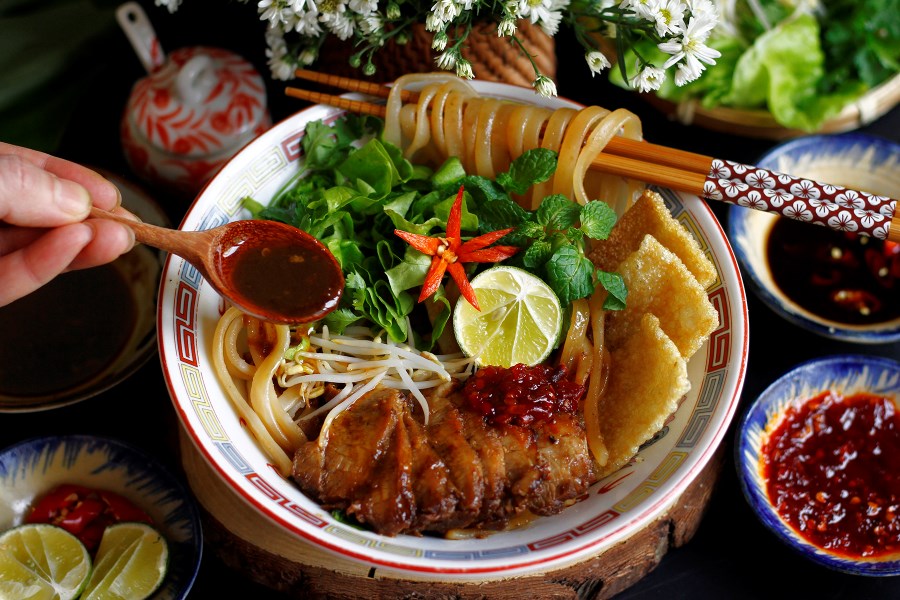
Cao lầu is perhaps the most iconic dish of Hội An, a UNESCO World Heritage Site known for its well-preserved architecture and vibrant culinary scene. This unique noodle dish features thick, chewy noodles that are said to be made with water from the ancient Ba Le well. The noodles are topped with slices of succulent pork, crispy croutons, fresh greens, and a flavorful sauce that is both savory and slightly sweet. The exact recipe for cao lầu is a closely guarded secret, passed down through generations of Hội An families. Some believe that the dish has Japanese or Chinese influences, reflecting the town's history as a major trading port. The combination of textures and flavors in cao lầu is truly unforgettable, making it a must-try for any visitor to Hội An. The unique texture of cao lầu noodles is a key feature.
Bún Bò Huế: A Spicy and Flavorful Beef Noodle Soup
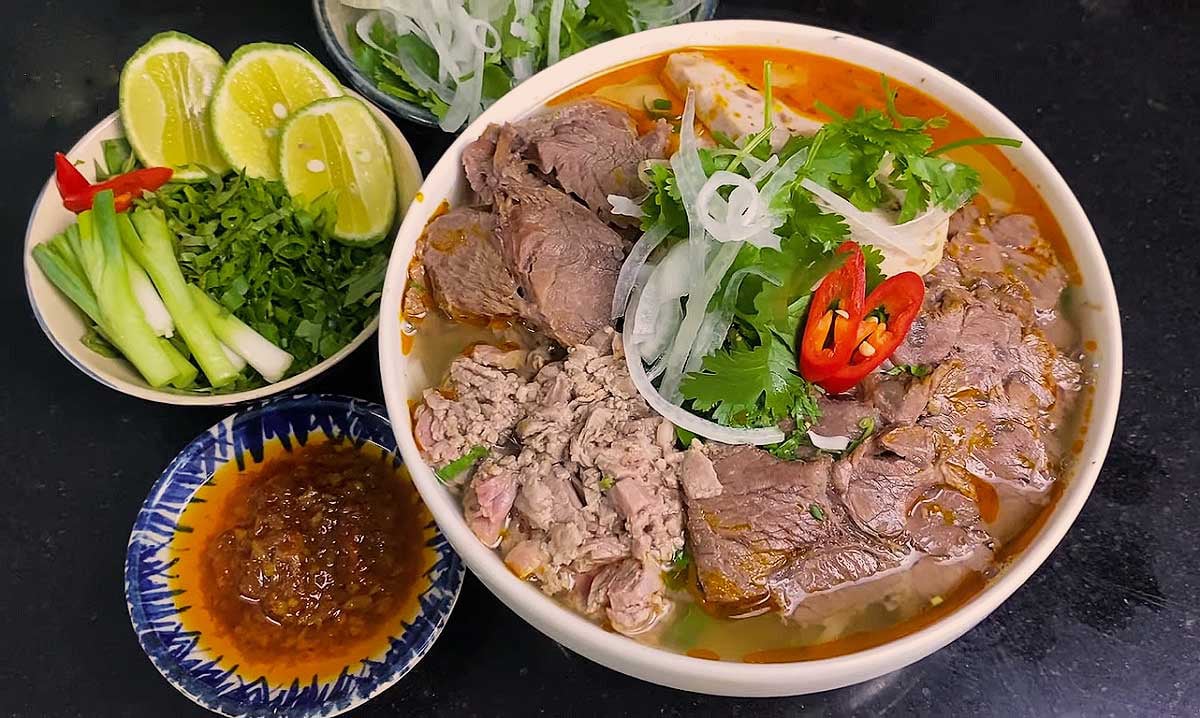
Bún bò Huế is a spicy beef noodle soup that hails from the former imperial capital of Huế. This robust and flavorful soup is characterized by its rich broth, which is infused with lemongrass, shrimp paste, and chili oil. The soup is typically served with thick rice noodles, slices of tender beef, pork knuckles, and cubes of congealed pig's blood. Fresh herbs, such as mint, cilantro, and bean sprouts, are added for freshness and texture. Bún bò Huế is known for its intense flavors and fiery heat, making it a favorite among those who enjoy spicy food. The recipe varies from cook to cook, but the key elements remain the same: a flavorful broth, tender beef, and plenty of chili. The complex flavor profile of bún bò huế makes it a standout dish.
Bánh Khoái: Crispy Pancakes with Savory Fillings
Bánh khoái is a crispy pancake that is similar to bánh xèo, but smaller and thicker. The batter is made from rice flour, coconut milk, and turmeric powder, giving it a distinctive yellow color. The pancakes are typically filled with shrimp, pork, bean sprouts, and herbs. They are cooked in a small, round pan until crispy and golden brown. Bánh khoái is often served with a dipping sauce made from fermented soybean paste, peanuts, and chili. This dish is a popular street food in Central Vietnam, particularly in Huế and Đà Nẵng. The crispy texture and savory fillings make it a satisfying and flavorful snack. The dipping sauce complements the crispy bánh khoái perfectly.
Where to Find Authentic Central Vietnamese Food
Finding authentic Central Vietnamese food is an adventure in itself. Here are some tips on where to find the best culinary experiences in the region:
Recommended Restaurants in Đà Nẵng and Huế
Đà Nẵng and Huế are two of the major culinary hubs in Central Vietnam, offering a wide range of restaurants serving authentic regional cuisine. In Đà Nẵng, be sure to try the seafood, which is incredibly fresh and abundant. Look for restaurants along the beach that specialize in grilled seafood or try the local specialty, mì quảng (turmeric noodles with pork and shrimp). In Huế, explore the restaurants in the Citadel area, which offer a taste of imperial cuisine. Try cơm hến (rice with baby clams) or bánh bèo (steamed rice cakes), two of the city's most iconic dishes. Don't be afraid to venture off the beaten path and try some of the smaller, family-run restaurants, which often offer the most authentic and flavorful food. Exploring family run restaurants is a great way to experience local culture.
Exploring Local Markets for Fresh Ingredients
One of the best ways to experience the local culinary culture is to visit the local markets. These bustling marketplaces are filled with a dizzying array of fresh produce, spices, and seafood. They are also a great place to observe the local people and learn about the ingredients that go into Central Vietnamese cuisine. In Đà Nẵng, visit Han Market, the city's largest and most vibrant market. In Huế, visit Dong Ba Market, which is located on the banks of the Perfume River. Be prepared to haggle for the best prices and don't be afraid to try some of the local snacks and delicacies that are sold in the markets. Sampling local snacks at the local markets is recommended.
Cooking Classes: Learning to Prepare Central Vietnamese Dishes at Home
If you want to learn how to prepare Central Vietnamese dishes yourself, consider taking a cooking class. Many cooking schools in Đà Nẵng, Hội An, and Huế offer hands-on classes that teach you how to make some of the region's most iconic dishes. These classes typically include a visit to a local market, where you will learn about the ingredients and how to select the best quality produce. You will then learn how to prepare the dishes from scratch, under the guidance of an experienced chef. At the end of the class, you will get to enjoy the fruits of your labor, savoring the delicious dishes that you have created. Taking a cooking class is a great cultural experience.
- Choose a reputable cooking school: Look for schools with good reviews and experienced instructors.
- Check the menu: Make sure the class covers dishes that you are interested in learning.
- Consider the class size: Smaller classes offer more personalized attention.
- Ask about the market tour: A market tour is a great way to learn about the ingredients.
- Be prepared to get your hands dirty: Cooking classes are hands-on experiences.
Central Vietnamese cuisine is a testament to the region's rich history, diverse geography, and vibrant culture. From the spicy noodle soups of Huế to the crispy pancakes of Đà Nẵng and the unique noodle dishes of Hội An, this culinary tradition offers a feast for the senses. Whether you are exploring the local markets, dining in a family-run restaurant, or taking a cooking class, be sure to savor the flavors of Central Vietnam and discover the culinary treasures it has to offer. With its bold flavors and unique ingredients, Central Vietnamese cuisine is sure to leave a lasting impression. Finding authentic central Vietnamese food is an adventure.


Messenger

Back to top