
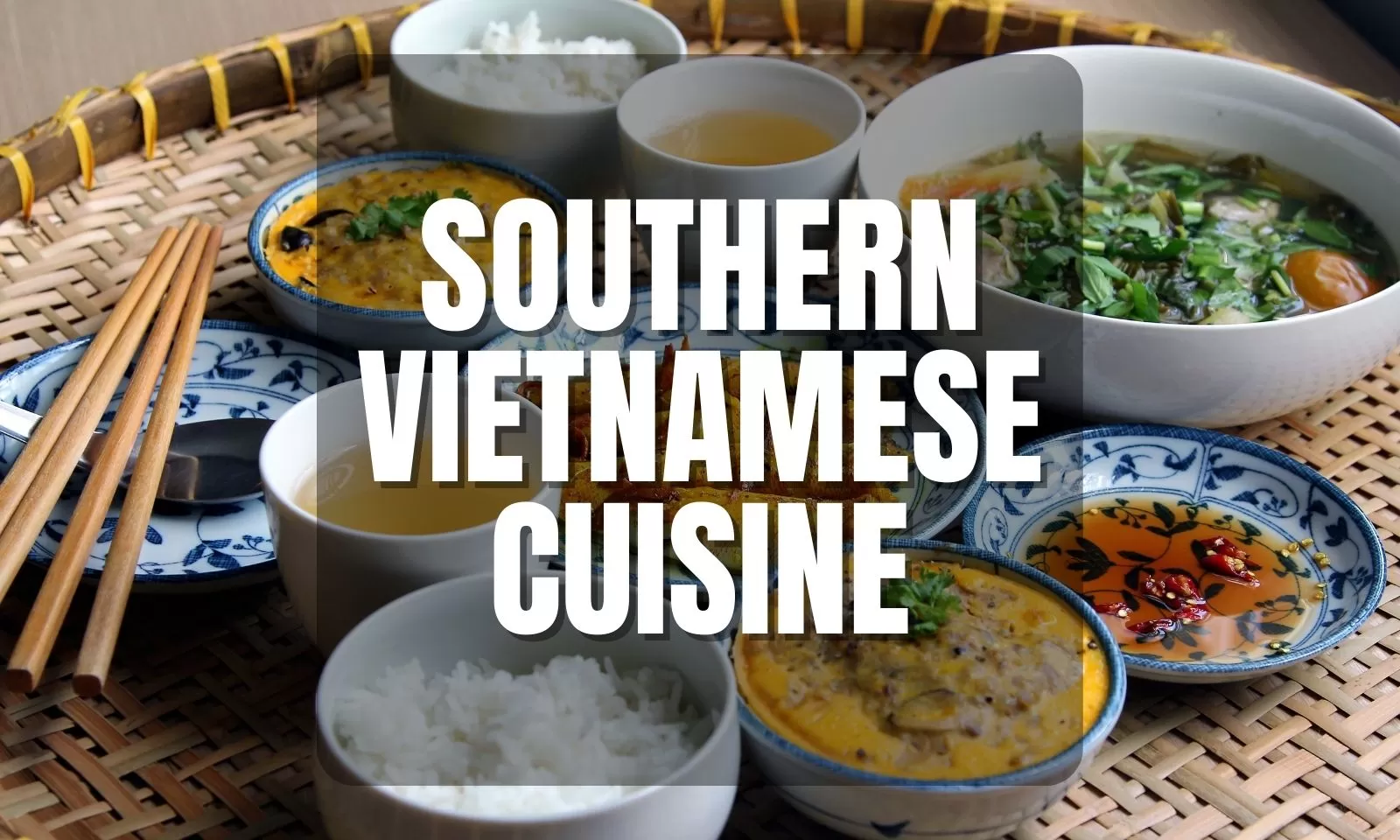
Southern Vietnamese cuisine, a vibrant tapestry of flavors and textures, offers a unique culinary experience distinct from its northern and central counterparts. Characterized by its sweetness, generous use of fresh herbs, and reliance on ingredients from the Mekong Delta, southern cooking is a testament to the region's rich agricultural bounty and diverse cultural influences. This article delves into the heart of southern Vietnamese food, exploring its history, key ingredients, popular dishes, and where to find authentic tastes, whether you're planning a trip to Vietnam or seeking a taste of Saigon in your own city.
Introduction to Southern Vietnamese Cuisine
Southern Vietnamese cuisine is a culinary adventure, a delightful exploration of sweet, savory, and aromatic flavors. Its distinct character sets it apart from the more subtle and balanced flavors of central Vietnam and the northern preference for savory and umami notes. The abundance of tropical fruits, vegetables, and seafood from the Mekong Delta plays a pivotal role, making freshness a hallmark of the region's cooking. The cuisine is characterized by its use of sugar, coconut milk, and a wide array of fresh herbs, creating a symphony of tastes that dance on the palate.
A Brief History of Southern Vietnamese Food
The history of southern Vietnamese food is intertwined with the region's geographical and cultural evolution. The Mekong Delta, a fertile land formed by the mighty Mekong River, has always been a crucial agricultural hub. This abundance of resources allowed for diverse culinary experimentation. The cuisine has also been significantly influenced by the influx of immigrants from China, Cambodia, and other Southeast Asian countries. The fusion of indigenous ingredients and cooking techniques with foreign influences has resulted in the unique and flavorful cuisine we know today. Over centuries, Saigon cuisine's developed its own identity, reflecting the region's prosperity and openness to new ideas.
Key Ingredients and Flavors
The foundation of southern Vietnamese cuisine lies in its fresh, locally sourced ingredients. Rice, of course, is a staple, but it's the supporting cast that truly defines the region's flavors. Key ingredients include:
- Fish Sauce (Nuoc Mam): A fermented fish sauce that is the cornerstone of Vietnamese cooking.
- Sugar: Used generously to create the signature sweetness of southern dishes.
- Coconut Milk: Adds richness and creaminess to many soups and stews.
- Fresh Herbs: Mint, cilantro, basil, and other aromatic herbs are used liberally to add freshness and complexity.
- Chili Peppers: Provide a spicy kick, balancing the sweetness and richness of the dishes.
- Lemongrass: Lends its citrusy aroma to marinades and broths.
- Tamarind: Contributes a tangy and sour note to sauces and soups.
The interplay of these ingredients creates a distinctive flavor profile that is both sweet and savory, herbaceous and spicy, and utterly irresistible. The balance of these flavors is a key characteristic, making Mekong Delta food so appealing.
Cultural Influences on Southern Cooking
Southern Vietnamese cuisine is a melting pot of cultural influences. The most significant influences include:
- Khmer Cuisine: The neighboring Khmer culture has contributed ingredients like prahok (fermented fish paste) and cooking techniques such as grilling and roasting.
- Chinese Cuisine: Chinese immigrants brought with them stir-frying techniques, noodles, and ingredients like soy sauce and oyster sauce.
- French Cuisine: The French colonial period introduced ingredients like bread, coffee, and certain cooking methods.
These cultural exchanges have enriched the cuisine, resulting in a diverse and flavorful culinary landscape. The ability of southern Vietnamese cooks to adapt and integrate foreign influences has made their cuisine truly unique.
Popular Southern Vietnamese Dishes
Southern Vietnamese cuisine boasts a wide array of dishes, each with its own unique flavor profile and story. Here are a few of the most popular and iconic dishes:
Banh Xeo (Sizzling Crepes)
Banh Xeo, meaning "sizzling cake," is a crispy, savory crepe made from rice flour, coconut milk, and turmeric. It's typically filled with shrimp, pork, bean sprouts, and onions, then folded in half and served with fresh herbs and a dipping sauce called nuoc cham. The crepe is cooked in a hot skillet, creating a satisfying sizzle as it cooks, hence the name. The crispy texture and flavorful filling make Banh Xeo a beloved street food staple.

Banh Xeo variations can be found throughout Vietnam, but the southern version is known for its larger size and richer flavor, due to the generous use of coconut milk. It's a must-try dish for anyone exploring the culinary delights of the region.
Hu Tieu (Pork and Seafood Noodle Soup)
Hu Tieu is a popular noodle soup that reflects the Chinese influence on southern Vietnamese cuisine. It features a flavorful broth made from pork bones and dried seafood, served with rice noodles, shrimp, pork, quail eggs, and various vegetables. Different regions in the south have their own variations of Hu Tieu, with My Tho being particularly famous for its version. This hearty and flavorful soup is a popular choice for breakfast, lunch, or dinner.
The key to a good bowl of Hu Tieu lies in the quality of the broth, which should be clear, rich, and aromatic. The toppings add texture and flavor, making each spoonful a delightful experience. Hu Tieu is a testament to the culinary diversity of southern Vietnam.
Com Tam (Broken Rice with Grilled Pork)
Com Tam, or broken rice, is a quintessential southern Vietnamese dish. It consists of broken rice grains, which were once considered a byproduct but are now a delicacy. It's typically served with grilled pork chops (suon nuong), shredded pork skin (bi), a steamed egg meatloaf (cha trung), and pickled vegetables. The dish is often topped with scallion oil and served with a side of nuoc cham dipping sauce.
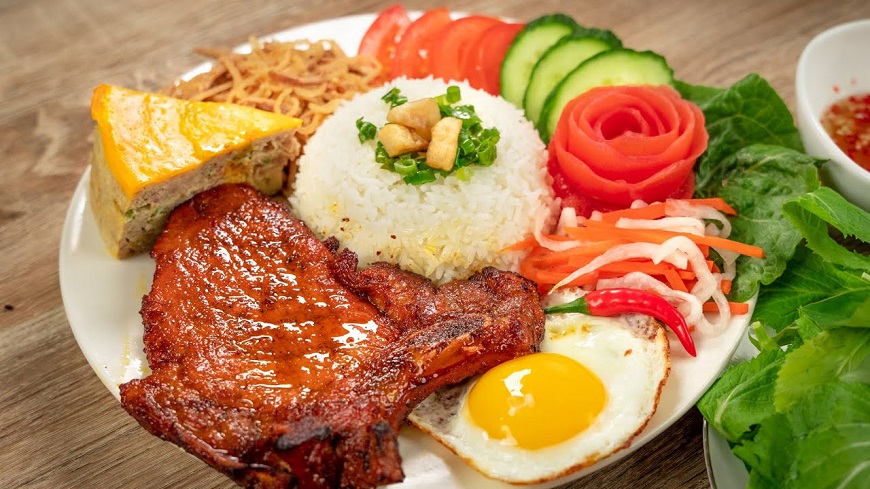
Com Tam is a hearty and satisfying meal that showcases the resourcefulness and culinary creativity of southern Vietnamese cooks. The combination of textures and flavors, from the tender pork to the crunchy pickled vegetables, makes it a truly memorable dish. It's a popular street food and restaurant dish, enjoyed by locals and tourists alike.
The dish's origin is rooted in the resourcefulness of farmers who used broken rice grains, a byproduct of the milling process, to create a filling and affordable meal. Over time, it evolved into a culinary staple, with various toppings and accompaniments adding to its appeal. Today, Vietnamese broken rice is a symbol of southern Vietnamese cuisine, enjoyed for its unique texture and delicious flavor.
Where to Find Authentic Southern Vietnamese Food
Whether you're in Vietnam or abroad, there are plenty of opportunities to experience the authentic flavors of southern Vietnamese cuisine.
Restaurants in Vietnam
The best place to experience authentic southern Vietnamese food is, of course, in Vietnam itself. Ho Chi Minh City (Saigon) is a culinary epicenter, with countless restaurants and street food stalls offering a wide variety of dishes. Some popular restaurants include:
- Quan An Ngon: Offers a wide range of Vietnamese dishes in a traditional setting.
- Banh Xeo 46A: Famous for its delicious and crispy Banh Xeo.
- Com Tam Ba Ghien: A popular spot for Com Tam, serving generous portions at affordable prices.
Exploring the street food scene is also a must, with vendors selling everything from noodle soups to grilled meats. Be sure to try the local specialties and don't be afraid to venture off the beaten path.
Southern Vietnamese Restaurants Around the World
If you can't make it to Vietnam, you can still find authentic southern Vietnamese food in many cities around the world. Look for restaurants that are owned and operated by Vietnamese families, as they are more likely to serve traditional dishes made with authentic ingredients. Cities with large Vietnamese communities, such as Los Angeles, San Francisco, and Melbourne, offer a wide variety of options. When dining out, consider these tips for finding authentic Vietnamese recipes:
- Read online reviews to see what other diners have to say about the food and atmosphere.
- Look for restaurants that specialize in southern Vietnamese cuisine, rather than general Vietnamese food.
- Ask your server for recommendations on dishes that are popular with locals.
By doing your research and seeking out authentic establishments, you can enjoy the true flavors of southern Vietnam, no matter where you are in the world. The key is to find restaurants that prioritize quality ingredients and traditional cooking methods.
Cooking Classes and Recipes
For a more immersive experience, consider taking a Vietnamese cooking class. Many cooking schools offer classes that focus on southern Vietnamese cuisine, teaching you how to prepare classic dishes like Banh Xeo, Hu Tieu, and Com Tam. This is a great way to learn about the ingredients and techniques used in southern cooking, and to impress your friends and family with your newfound culinary skills. You could search for Vietnamese cooking classes online.
If you prefer to learn at your own pace, there are also plenty of cookbooks and online resources that offer recipes for southern Vietnamese dishes. Look for recipes that use authentic ingredients and provide clear instructions. With a little practice, you can recreate the flavors of southern Vietnam in your own kitchen.
Here are some tips for cooking southern Vietnamese food at home:
- Use fresh, high-quality ingredients whenever possible.
- Don't be afraid to experiment with different herbs and spices.
- Taste as you go and adjust the seasonings to your liking.
- Practice makes perfect, so don't get discouraged if your first attempt isn't perfect.
With a little effort, you can master the art of southern Vietnamese cooking and enjoy the delicious flavors of this vibrant cuisine in your own home. Exploring the world of Vietnamese street food can also inspire you to try new recipes and techniques.
Southern Vietnamese cuisine is a culinary treasure trove, offering a delightful array of flavors, textures, and aromas. From the crispy Banh Xeo to the hearty Com Tam, each dish tells a story of the region's history, culture, and agricultural abundance. Whether you're exploring the streets of Saigon or recreating these dishes in your own kitchen, the flavors of southern Vietnam are sure to tantalize your taste buds and leave you craving more. Taking the time to understand the nuances of this cuisine will undoubtedly enhance your appreciation for Vietnamese culture and its culinary heritage. Remember to seek out authentic experiences and embrace the diversity of flavors that southern Vietnam has to offer. This culinary journey is an invitation to discover the warmth and hospitality of the region, one delicious bite at a time. The richness of the cuisine is a testament to the cultural influences on southern cooking, making it a truly unique and unforgettable experience.


Messenger

Back to top