
Northern Vietnamese cuisine, a cornerstone of Vietnamese culinary heritage, offers a unique and distinct flavor profile compared to its central and southern counterparts. Rooted in the Red River Delta, this cuisine emphasizes subtle yet complex flavors, fresh ingredients, and a balance of textures. Characterized by its elegant simplicity and profound respect for tradition, Northern Vietnamese food provides a fascinating glimpse into the country's rich history and cultural identity. Join us as we embark on a culinary journey to explore the must-try dishes, key ingredients, and cultural influences that define this remarkable gastronomic landscape.
Introduction to Northern Vietnamese Cuisine
A Brief History of Northern Vietnamese Food
The history of Northern Vietnamese cuisine is deeply intertwined with the region's geographical and historical context. As the cradle of Vietnamese civilization, the Red River Delta has been the center of agricultural innovation and cultural development for millennia. Over centuries, the cuisine has been shaped by factors such as climate, available resources, and interactions with neighboring cultures, including China and France. The influence of Chinese cuisine is evident in the use of stir-frying techniques and the incorporation of ingredients like soy sauce and noodles.
During the French colonial period, Northern Vietnamese cuisine experienced a subtle yet significant transformation. French culinary techniques and ingredients, such as baguettes and coffee, were integrated into the local diet, resulting in unique fusion dishes like bánh mì. Despite these influences, Northern Vietnamese cuisine has maintained its distinct identity, characterized by its emphasis on fresh, local ingredients and traditional cooking methods.
Key Ingredients and Flavors
The foundation of Northern Vietnamese cuisine lies in its use of fresh, high-quality ingredients. Rice, the staple grain, is a ubiquitous component of most meals, served alongside a variety of vegetables, herbs, and meats. Fish sauce (nước mắm), a fermented condiment made from anchovies, is a vital flavoring agent, adding depth and umami to dishes. Unlike the spicier cuisines of central and southern Vietnam, Northern cuisine tends to favor a more delicate balance of flavors, with an emphasis on subtlety and nuance.
Common herbs and spices used in Northern Vietnamese cooking include cilantro, mint, dill, and lemongrass. These aromatic ingredients are used to enhance the flavor and aroma of dishes, while also providing numerous health benefits. Meats such as pork, chicken, and beef are frequently used, often braised, grilled, or stir-fried to perfection. The region's abundance of freshwater fish and seafood also plays a significant role in the local diet, with dishes like cha ca la vong showcasing the freshness and quality of these ingredients.
Cultural Influences on Northern Cuisine
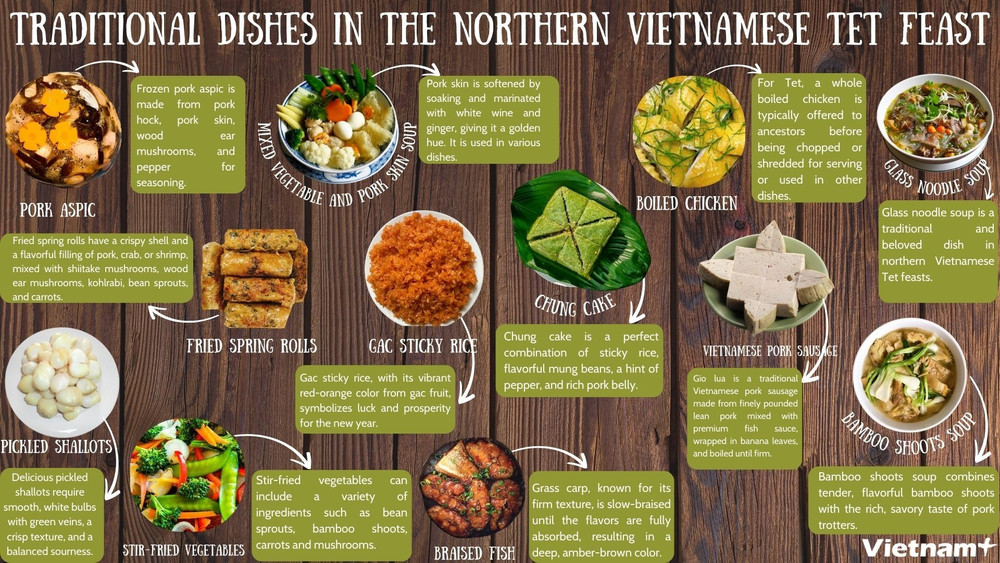
Northern Vietnamese cuisine is not merely a collection of recipes; it is a reflection of the region's cultural values and traditions. Family meals are an integral part of Vietnamese culture, with dishes often served communally and shared among family members. The act of preparing and sharing food is seen as a way to strengthen bonds and express love and care. Traditional festivals and celebrations, such as Tet (Vietnamese New Year), also play a significant role in shaping the culinary landscape, with specific dishes prepared and consumed to symbolize good luck, prosperity, and happiness.
The influence of Confucianism and Buddhism is also evident in Northern Vietnamese cuisine, with an emphasis on balance, harmony, and respect for nature. Vegetarian dishes are common, particularly during religious observances, and the use of animal products is often minimized. The art of presentation is also highly valued, with dishes carefully arranged to create a visually appealing and harmonious composition.
Must-Try Dishes in Northern Vietnam
Pho: The Iconic Noodle Soup
No exploration of Northern Vietnamese cuisine would be complete without mentioning pho, the country's most famous and beloved noodle soup. Originating in Hanoi in the early 20th century, pho has become a global culinary icon, enjoyed by millions around the world. The dish consists of a flavorful broth, typically made from beef or chicken bones, simmered for hours with aromatic spices such as cinnamon, star anise, and cloves. The broth is then poured over rice noodles (bánh phở) and topped with thinly sliced meat, fresh herbs, and a squeeze of lime.
The key to a great bowl of pho lies in the quality of the broth. Traditional pho recipes call for simmering the bones for at least eight hours, allowing the flavors to meld and deepen. The noodles should be soft and chewy, while the meat should be tender and flavorful. Garnishes such as cilantro, green onions, and chili peppers add a burst of freshness and spice. Whether enjoyed for breakfast, lunch, or dinner, pho is a quintessential Northern Vietnamese dish that embodies the region's culinary heritage.
Here are the basic steps to prepare Pho:
Bun Cha: Grilled Pork with Noodles
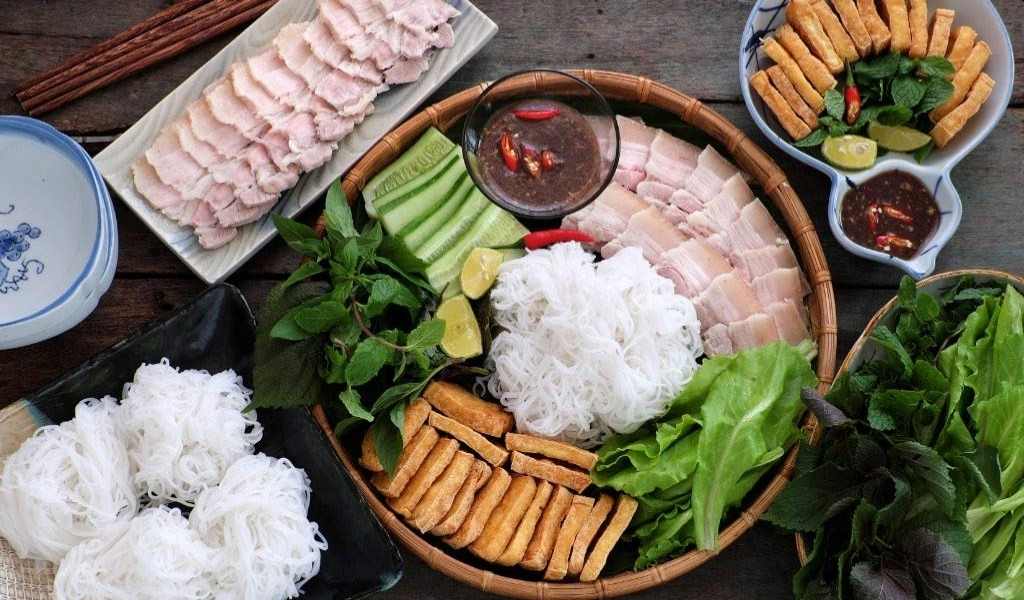
Bun cha, another iconic dish from Hanoi, is a delightful combination of grilled pork, rice noodles, and a flavorful dipping sauce. The dish typically consists of marinated pork patties and slices of pork belly, grilled over charcoal to perfection. The grilled pork is then served with a bowl of rice noodles (bún), fresh herbs, and a dipping sauce made from fish sauce, vinegar, sugar, and chili. The dipping sauce is the heart of the dish, providing a balance of sweet, sour, and savory flavors.
To enjoy bun cha, diners typically dip the noodles and grilled pork into the sauce, savoring the contrasting textures and flavors. Fresh herbs such as mint, cilantro, and perilla add a refreshing element to the dish. Bun cha is a popular lunch option in Hanoi, often enjoyed at street food stalls and local eateries. The dish is a testament to the region's culinary creativity, showcasing the art of grilling and the importance of balance in Vietnamese cuisine. It's definitely a must-try for anyone looking to experience authentic northern vietnamese food.
Cha Ca La Vong: Turmeric Fish with Dill
Cha ca la vong is a specialty of Hanoi, featuring tender chunks of fish marinated in turmeric and galangal, then pan-fried with dill and spring onions. The dish is traditionally served in a sizzling pan, accompanied by rice noodles, roasted peanuts, fresh herbs, and a pungent shrimp paste dipping sauce (mắm tôm). The combination of turmeric, dill, and galangal gives the fish a distinctive aroma and flavor, while the shrimp paste adds a unique umami kick.
Cha ca la vong is named after the La Vong restaurant in Hanoi, where the dish was first created. The restaurant, which has been serving cha ca for over a century, is a culinary institution in the city. The dish is a celebration of fresh ingredients and bold flavors, showcasing the region's mastery of seafood cookery. To fully appreciate cha ca la vong, it is best enjoyed in a traditional setting, surrounded by the sights and sounds of Hanoi.

Exploring the Culinary Landscape of Northern Vietnam
Street Food Culture in Hanoi
Hanoi is renowned for its vibrant street food culture, offering a diverse array of dishes at affordable prices. From bustling markets to hidden alleyways, the city is teeming with street food vendors, each specializing in their own unique culinary creations. Exploring hanoi's street food scene is an essential experience for any visitor, providing a glimpse into the city's culinary soul. Popular street food dishes include banh mi (Vietnamese sandwich), xoi (sticky rice), and various types of noodle soups.
One of the best ways to experience Hanoi's street food culture is to join a guided food tour. These tours typically take visitors to a variety of local eateries, allowing them to sample a wide range of dishes while learning about the history and culture behind each one. Be sure to try the local bia hoi (fresh beer), a refreshing and inexpensive beverage that is a staple of Hanoi's street food scene.
Here are some popular street foods in Hanoi:
- Banh Mi: Vietnamese sandwich with various fillings.
- Xoi: Sticky rice with different toppings.
- Bun Bo Nam Bo: Beef noodle salad.
- Pho Ga: Chicken noodle soup.
Regional Specialties and Where to Find Them
Beyond Hanoi, Northern Vietnam boasts a wealth of regional culinary specialties, each reflecting the unique ingredients and traditions of the area. In the mountainous regions of Sapa and Ha Giang, you'll find dishes like thang co (horse meat stew) and com lam (rice cooked in bamboo tubes), reflecting the region's ethnic minority cultures. Along the coast, cities like Hai Phong are known for their fresh seafood dishes, such as banh da cua (crab noodle soup) and nem cua be (crab spring rolls).
To experience these regional specialties, consider venturing beyond Hanoi and exploring the diverse culinary landscape of Northern Vietnam. Local markets and eateries are the best places to find authentic regional dishes, often prepared using traditional methods and ingredients. Don't be afraid to ask locals for recommendations – they are often the best source of information on where to find the most delicious and authentic food.
Tips for an Authentic Food Experience
To ensure an authentic and enjoyable food experience in Northern Vietnam, keep the following tips in mind:
- Eat where the locals eat: Look for crowded street food stalls and local eateries – these are usually a sign of good food and reasonable prices.
- Be adventurous: Don't be afraid to try new and unfamiliar dishes – you might discover your new favorite food.
- Learn a few basic Vietnamese phrases: Knowing how to say "hello," "thank you," and "delicious" will go a long way in building rapport with locals.
- Be mindful of hygiene: Choose vendors that appear clean and well-maintained, and avoid eating raw or undercooked food.
- Ask for recommendations: Locals are often the best source of information on where to find the most authentic and delicious food.
By following these tips, you can immerse yourself in the culinary delights of Northern Vietnam and create unforgettable memories. Experiencing vietnamese food firsthand is the best way to appreciate the culture.
Northern Vietnamese cuisine is a culinary treasure trove, offering a unique and distinct flavor profile that reflects the region's rich history and cultural identity. From the iconic pho to the flavorful bun cha and the aromatic cha ca la vong, the must-try dishes of Northern Vietnam are a testament to the region's culinary creativity and mastery of fresh ingredients. By exploring the vibrant street food culture of Hanoi and venturing beyond the capital to discover regional specialties, you can embark on a culinary journey that will tantalize your taste buds and leave you with a deeper appreciation for vietnam's culinary heritage. So, pack your bags, sharpen your appetite, and prepare to be enchanted by the flavors of Northern Vietnam.


Messenger

Back to top