
Banh Cuon, a delicate and savory Vietnamese steamed rice roll, has captivated food enthusiasts worldwide. This seemingly simple dish boasts a rich history, diverse regional variations, and a unique preparation method that elevates it beyond a mere snack. From its humble origins to its presence in modern fusion cuisine, Banh Cuon offers a fascinating glimpse into Vietnamese culinary traditions. This article explores the evolution, different types, and best practices for enjoying this iconic Vietnamese delicacy.
Banh Cuon: From Humble Beginnings To Global Phenomenon
The Evolution of Banh Cuon Over Time
The history of Banh Cuon is intertwined with the agricultural roots of Vietnam. Originating in the northern regions, where rice cultivation has thrived for centuries, Banh Cuon emerged as a resourceful way to utilize freshly harvested rice. The earliest versions were likely simple, unadorned rice sheets, enjoyed as a light meal by farmers and laborers. Over time, the dish evolved, with cooks experimenting with different fillings and accompanying ingredients. The influence of Chinese cuisine is also evident, particularly in the use of ground pork and wood ear mushrooms as fillings.
As Vietnam's culinary landscape developed, Banh Cuon spread throughout the country, with each region adding its unique touch. In the north, Banh Cuon is often served with a clear, diluted fish sauce, while in the south, a sweeter, more robust dipping sauce is preferred. The fillings also vary, with some regions favoring shrimp or chicken over pork.
Banh Cuon's popularity has transcended national borders, with Vietnamese communities around the world introducing the dish to new audiences. Today, you can find Banh Cuon in Vietnamese restaurants across the globe, a testament to its enduring appeal and versatility.
Banh Cuon's Role in Vietnamese Festivals and Celebrations
In Vietnam, Banh Cuon is more than just a food; it's a cultural symbol. It often takes center stage during family gatherings, festivals, and special occasions. The act of making Banh Cuon is often a communal activity, with family members gathering around the steamer to prepare and share the dish. During Tet (Vietnamese New Year), Banh Cuon is a popular offering on ancestral altars, symbolizing prosperity and good fortune for the coming year.
The dish is also commonly served at weddings and birthdays, representing a wish for happiness and longevity. Its presence at these events underscores its significance as a dish that brings people together and celebrates life's important moments. The simplicity and elegance of Banh Cuon make it a fitting dish for both solemn and celebratory occasions.
Modern Interpretations and Fusion Dishes Featuring Banh Cuon
While traditional Banh Cuon remains a beloved classic, innovative chefs are constantly finding new ways to incorporate it into modern cuisine. Fusion dishes that blend Vietnamese flavors with international techniques are becoming increasingly popular. Some restaurants offer Banh Cuon filled with non-traditional ingredients like smoked salmon, avocado, or even foie gras.
These contemporary interpretations demonstrate the versatility of Banh Cuon as a culinary canvas. Chefs are also experimenting with different sauces, garnishes, and presentation styles to create unique and visually stunning dishes. Whether enjoyed in its classic form or as part of a modern creation, Banh Cuon continues to evolve and inspire culinary creativity.
Exploring The Different Types Of Banh Cuon
Banh Cuon Nong: Hot Steamed Rice Rolls
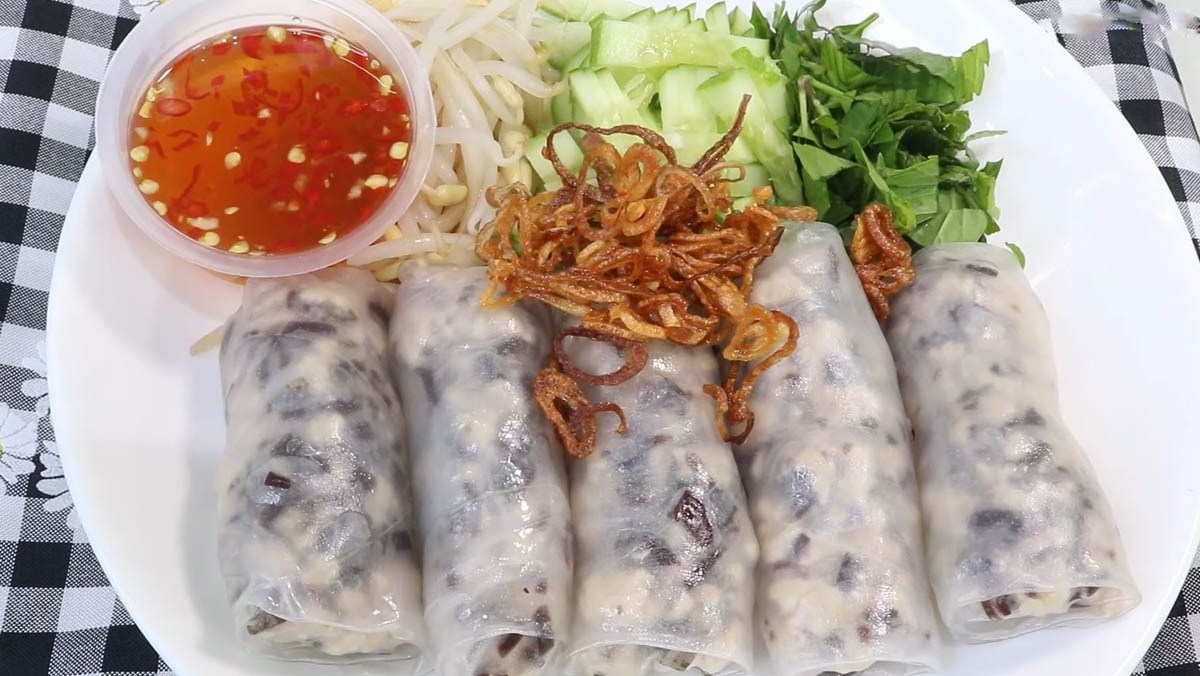
Banh Cuon Nong, meaning "hot Banh Cuon," is the most common and widely recognized type. This version is made by steaming a thin layer of rice batter on a cloth stretched over a pot of boiling water. The resulting sheet is incredibly delicate and slightly translucent. Once cooked, the rice sheet is skillfully lifted and filled with a mixture of ground pork, wood ear mushrooms, and shallots.
The filled Banh Cuon is then rolled and served hot, typically garnished with fried shallots, fresh herbs, and a side of dipping sauce. The contrast between the soft, warm rice roll and the savory filling is what makes Banh Cuon Nong so irresistible. The dipping sauce, usually a blend of fish sauce, vinegar, sugar, and chili, adds a burst of flavor that complements the other ingredients perfectly.
Banh Cuon Thanh Tri: A Lighter Variation
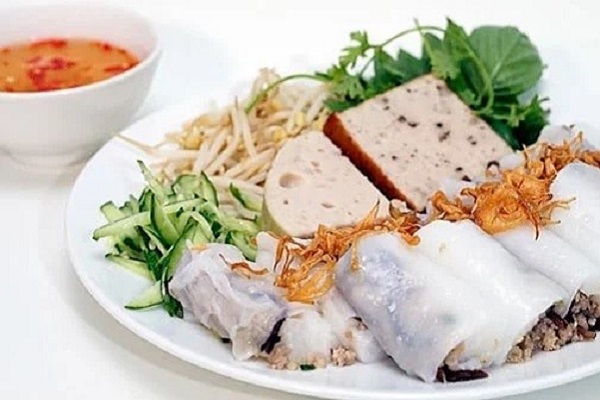
Originating from Thanh Tri, a district in Hanoi, Banh Cuon Thanh Tri is a lighter and more delicate variation of the classic dish. What sets it apart is the absence of filling. Instead of being filled with pork and mushrooms, Banh Cuon Thanh Tri is served plain, allowing the subtle flavor of the rice sheet to shine through.
This type of Banh Cuon is often enjoyed with a side of "cha lua" (Vietnamese pork sausage) and bean sprouts. The dipping sauce is typically a diluted fish sauce with a touch of lime juice. Banh Cuon Thanh Tri is favored for its simplicity and elegance, making it a popular choice for a light breakfast or snack.
Banh Cuon Trung Ga: With Egg
For those seeking a richer and more substantial version of Banh Cuon, Banh Cuon Trung Ga is an excellent choice. In this variation, an egg is cracked directly onto the rice batter as it steams. The egg cooks along with the rice sheet, adding a creamy and savory element to the dish.
Banh Cuon Trung Ga can be prepared in two ways: either the egg is fully cooked, creating a firm layer within the rice roll, or it is left slightly runny, adding a luxurious texture. The filling typically remains the same as Banh Cuon Nong, with ground pork and mushrooms. This version is a satisfying and flavorful option for those who enjoy the combination of egg and savory ingredients.
Tips And Tricks For The Perfect Banh Cuon Experience
How To Choose The Freshest Ingredients
The quality of ingredients is paramount when making or enjoying Banh Cuon. Fresh rice flour is essential for creating a smooth and delicate rice sheet. Look for rice flour that is finely ground and free of lumps. For the filling, choose lean ground pork with a good balance of fat and meat. Fresh wood ear mushrooms should be plump and firm, with a slightly earthy aroma.
The dipping sauce is equally important, so use high-quality fish sauce and fresh limes. For the garnishes, select fresh herbs like cilantro, mint, and Thai basil. Fried shallots should be crispy and golden brown, adding a delightful crunch to the dish. By using the freshest ingredients, you can elevate your Banh Cuon experience to new heights.
Mastering The Art Of Rolling Banh Cuon
Rolling Banh Cuon requires a bit of practice, but with the right technique, it can be easily mastered. The key is to use a thin, flexible spatula to lift the rice sheet from the steamer. Gently place the filling in the center of the sheet, then fold the sides inward and roll it tightly. Avoid overfilling the Banh Cuon, as this can make it difficult to roll and may cause it to tear.
If you're using a traditional bamboo steamer, line it with a clean cloth to prevent the rice sheet from sticking. Be patient and take your time, as the process can be a bit delicate. With a little practice, you'll be rolling Banh Cuon like a pro in no time.
Storing And Reheating Banh Cuon
Banh Cuon is best enjoyed fresh, but leftovers can be stored in the refrigerator for up to 24 hours. To prevent the rice rolls from drying out, wrap them tightly in plastic wrap or store them in an airtight container. When reheating, steam the Banh Cuon for a few minutes until they are warm and pliable.
Alternatively, you can microwave them briefly, but be careful not to overcook them, as this can make them rubbery. The dipping sauce can also be stored in the refrigerator and reheated gently before serving. With proper storage and reheating, you can enjoy your leftover Banh Cuon just as much as the first time.
Banh Cuon is more than just a dish; it is a culinary journey that takes you through the heart of Vietnamese culture. From its humble beginnings as a simple rice roll to its modern interpretations in fusion cuisine, Banh Cuon continues to captivate and delight food lovers around the world. Whether you're a seasoned chef or a curious foodie, exploring the world of Banh Cuon is an adventure worth taking. So, next time you're looking for a delicious and authentic Vietnamese experience, be sure to try this iconic dish and savor the flavors of Vietnam. Don't forget to look for the best Banh Cuon near you!


Messenger

Back to top