
Sushi, a culinary art form originating from Japan, has captivated palates worldwide with its delicate flavors and meticulous preparation. More than just a meal, sushi represents a harmonious blend of tradition, fresh ingredients, and skilled craftsmanship. From the classic nigiri to the inventive maki rolls, the world of sushi offers a diverse range of experiences for both the novice and the connoisseur. This comprehensive guide explores the different types of sushi, emphasizes the importance of freshness and quality, and delves into the crucial aspect of sustainability in sushi consumption.
Understanding the Different Types of Sushi
Sushi encompasses a wide array of preparations, each with its unique characteristics and appeal. Understanding these differences is key to appreciating the depth and complexity of sushi as a culinary tradition.
Nigiri: The Classic Hand-Pressed Sushi
Nigiri, perhaps the most recognizable form of sushi, consists of a carefully hand-pressed mound of vinegared rice topped with a slice of fresh fish or other seafood. The simplicity of nigiri highlights the quality of the ingredients, particularly the fish. Common toppings include tuna (maguro), salmon (sake), yellowtail (hamachi), and shrimp (ebi). The rice, seasoned with vinegar, sugar, and salt, provides a subtle tang that complements the flavor of the fish.
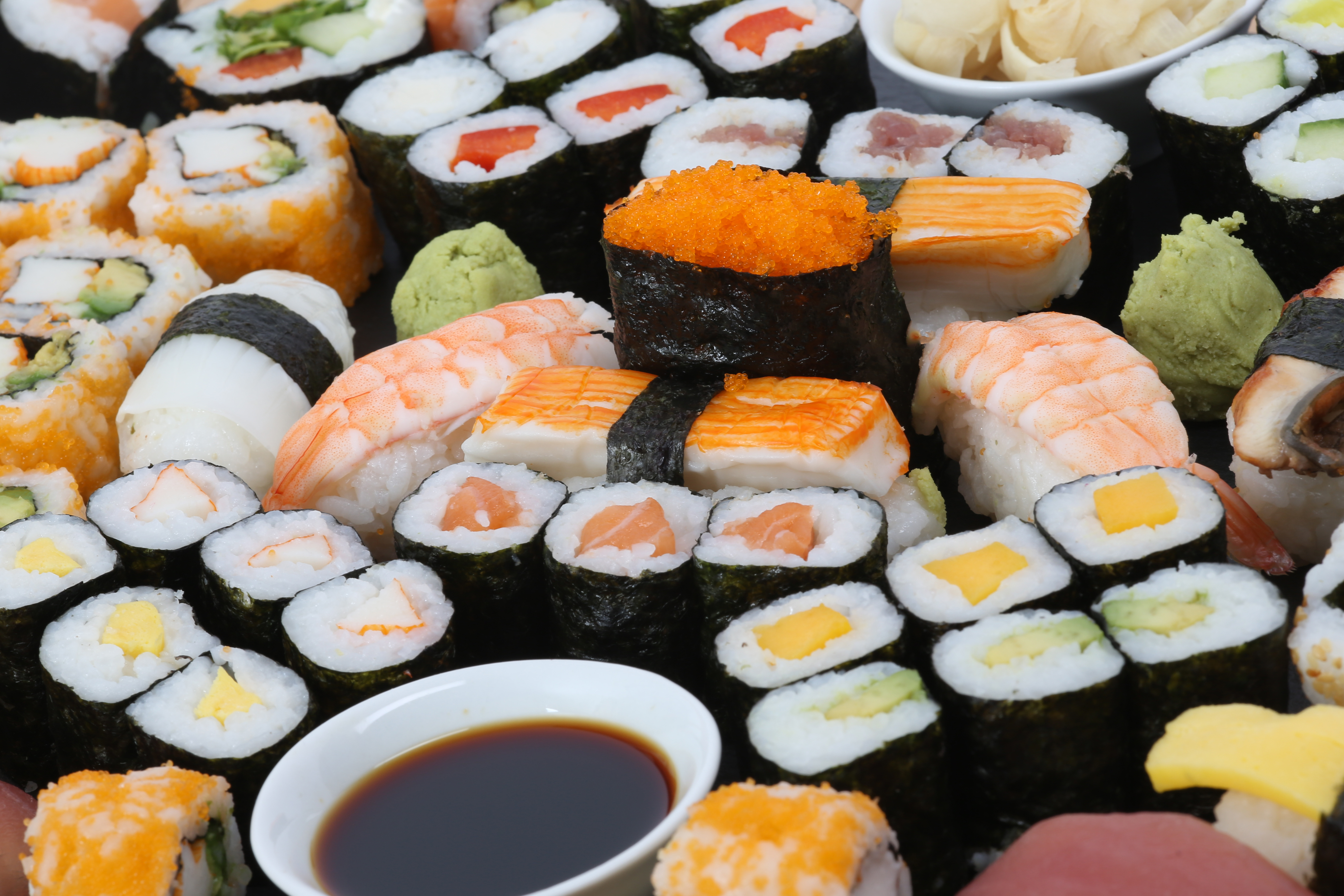
The preparation of nigiri is an art in itself, requiring precise movements and a delicate touch to achieve the perfect balance of rice and fish. The chef must ensure that the rice is not too tightly packed, allowing it to gently fall apart in the mouth. The fish should be sliced with precision, showcasing its natural beauty and texture. A dab of wasabi is often added between the rice and the fish to provide a subtle kick and enhance the flavor.
Maki: Exploring Rolled Sushi Variations
Maki, or rolled sushi, involves encasing rice and various fillings within a sheet of nori (dried seaweed). The ingredients are carefully arranged on the nori, then rolled tightly using a bamboo mat called a makisu. Maki sushi offers a wide range of variations, each with its unique combination of flavors and textures.
Some popular types of maki include:
- Hosomaki: Thin rolls with a single filling, such as tuna (tekka maki) or cucumber (kappa maki).
- Chumaki: Medium-sized rolls with two or three fillings.
- Futomaki: Thick rolls with a variety of fillings, often including vegetables, eggs, and seafood.
- Uramaki: Inside-out rolls, where the rice is on the outside and the nori wraps the fillings. The California roll, with avocado, crab, and cucumber, is a classic example of uramaki.
Maki sushi allows for creativity and experimentation, with chefs often incorporating local ingredients and innovative flavor combinations. The possibilities are endless, making maki a versatile and appealing option for sushi lovers.
Sashimi: The Art of Sliced Raw Fish
Sashimi, unlike other forms of sushi, does not include rice. It consists solely of thinly sliced raw fish or seafood, served with minimal accompaniments to showcase its natural flavor and texture. Sashimi requires the highest quality fish, as there is no rice or other ingredients to mask any imperfections.
The art of slicing sashimi is a skill honed over years of practice. The chef must use a specialized knife to create clean, precise cuts that enhance the texture and presentation of the fish. Different types of fish require different slicing techniques to achieve the desired result.
Sashimi is typically served with soy sauce, wasabi, and ginger. Soy sauce adds a touch of saltiness and umami, while wasabi provides a pungent kick that complements the richness of the fish. Ginger, with its refreshing and cleansing properties, is used to palate between different types of sashimi. Eating sashimi is a purist's experience, allowing one to fully appreciate the delicate flavors of the ocean.
The Importance of Freshness and Quality in Sushi
Freshness and quality are paramount in sushi preparation. Since raw fish is the centerpiece of many sushi dishes, its quality directly impacts the taste, texture, and safety of the final product. Using subpar or improperly handled fish can lead to unpleasant flavors, undesirable textures, and, in severe cases, foodborne illnesses. Therefore, understanding how to source, identify, and handle fresh fish is crucial for both sushi chefs and consumers.
Sourcing High-Quality Fish for Sushi
Sourcing high-quality fish begins with establishing relationships with reputable suppliers. These suppliers should adhere to strict standards for handling, storage, and transportation of fish. They should also be transparent about the origin and sustainability of their products. Sushi restaurants often work closely with fishermen and seafood distributors to ensure a consistent supply of fresh, high-quality fish.
Factors to consider when sourcing fish for sushi include:
- Origin: Knowing where the fish was caught or farmed can provide insights into its quality and sustainability.
- Seasonality: Some fish are at their best during specific seasons.
- Handling practices: Proper handling from the moment the fish is caught until it reaches the consumer is essential to maintain its quality.
Building strong relationships with trusted suppliers is an investment in the quality and reputation of a sushi restaurant. It ensures that customers receive the best possible dining experience.
Identifying Fresh Fish: What to Look For
Identifying fresh fish requires a keen eye and a discerning nose. Here are some key indicators of freshness:
- Appearance: Fresh fish should have a vibrant color and a glistening sheen. The flesh should be firm and spring back when touched.
- Smell: Fresh fish should have a mild, sea-like aroma. Avoid fish that smells overly fishy or ammonia-like.
- Eyes: The eyes of fresh fish should be clear, bright, and slightly protruding. Sunken or cloudy eyes are a sign of age.
- Gills: The gills should be bright red or pink and free of slime.
When purchasing fish for sushi, it is essential to inspect it carefully and ask questions about its origin and handling. A knowledgeable fishmonger can provide valuable information and guidance.
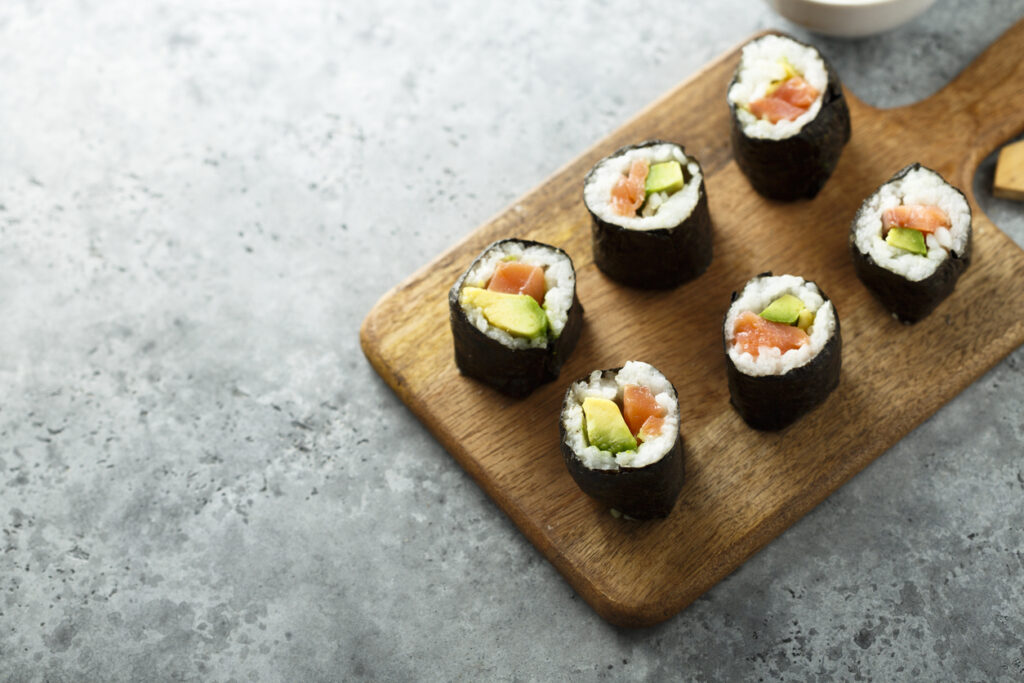
For consumers dining at sushi restaurants, it is always a good idea to inquire about the freshness and sourcing of the fish. Reputable establishments will be transparent and willing to share information about their ingredients.
Proper Storage and Handling of Sushi Ingredients
Proper storage and handling are crucial for maintaining the freshness and safety of sushi ingredients. Fish should be stored at temperatures between 30°F and 38°F (-1°C and 3°C) to slow down bacterial growth. It should be wrapped tightly in plastic wrap or stored in airtight containers to prevent dehydration and contamination.
Other essential sushi ingredients, such as rice, vegetables, and nori, also require proper storage. Rice should be stored in a cool, dry place to prevent spoilage. Vegetables should be kept refrigerated to maintain their crispness and freshness. Nori should be stored in an airtight container to prevent it from becoming soft and chewy.
During preparation, it is essential to maintain a clean and sanitary work environment. Hands should be washed frequently, and all surfaces and utensils should be thoroughly cleaned and sanitized. Cross-contamination between raw and cooked foods should be avoided at all costs.
Adhering to strict storage and handling protocols is essential for ensuring the safety and quality of sushi. It protects consumers from foodborne illnesses and enhances the overall dining experience.
Sushi and Sustainability: Making Responsible Choices
The popularity of sushi has placed increasing pressure on global fish stocks, leading to concerns about overfishing and its impact on marine ecosystems. As consumers, it is our responsibility to make informed choices and support sustainable sushi practices. Understanding the challenges and embracing responsible options can help preserve the oceans for future generations.
Understanding the Impact of Overfishing on Sushi
Overfishing occurs when fish are harvested at a rate faster than they can reproduce, leading to a decline in fish populations and disruption of marine ecosystems. Many popular sushi species, such as tuna, are particularly vulnerable to overfishing due to their slow growth rates and high demand.
The consequences of overfishing are far-reaching:
- Depletion of fish stocks: Overfishing can lead to the collapse of fish populations, making it difficult for them to recover.
- Disruption of food webs: The removal of key species can have cascading effects on the entire marine ecosystem.
- Habitat destruction: Some fishing methods, such as bottom trawling, can damage sensitive marine habitats.
- Economic impacts: Overfishing can negatively impact fishing communities and the seafood industry.
Consumers can play a vital role in mitigating the impact of overfishing by choosing sustainable sushi options and supporting responsible fishing practices.
Choosing Sustainable Sushi Options
Sustainable sushi options are those that are harvested or farmed in a way that minimizes their impact on the environment. These options help to ensure that fish populations remain healthy and that marine ecosystems are protected.
Here are some tips for choosing sustainable sushi:
By making informed choices, consumers can support sustainable fishing practices and help to protect marine ecosystems.
Supporting Responsible Sushi Restaurants and Suppliers
Supporting responsible sushi restaurants and suppliers is another way to promote sustainability in the sushi industry. Look for establishments that prioritize sustainable seafood sourcing, minimize waste, and support local communities.
Here are some indicators of a responsible sushi restaurant:
- Transparency: The restaurant is open about its seafood sourcing practices.
- Sustainable seafood menu: The restaurant offers a variety of sustainable sushi options.
- Waste reduction: The restaurant implements measures to reduce food waste and packaging.
- Community involvement: The restaurant supports local fishing communities and conservation efforts.
By patronizing responsible sushi restaurants and suppliers, consumers can send a message that sustainability is valued and that they are willing to support businesses that prioritize environmental stewardship.
Sushi is a delightful culinary experience, and by understanding the types, emphasizing freshness, and making sustainable choices, we can enjoy this delicacy responsibly. Supporting eco-friendly materials and responsible suppliers ensures that future generations can also savor the artistry and flavors of sushi while preserving our precious marine ecosystems. Let's continue to appreciate sushi while being mindful of its impact on the world around us.


Messenger

Back to top