
Navigating the nuances of a different culture can be both exciting and daunting, especially when it comes to dining. Japan, a land steeped in tradition and respect, has a rich tapestry of table manners and etiquette that can seem complex to the uninitiated. This guide aims to demystify these customs, providing you with a comprehensive understanding of Japanese dining etiquette. From the moment you enter the dining space to the final farewell, knowing these customs will enhance your dining experience and demonstrate respect for Japanese culture. Whether you're preparing for a business trip, a cultural exchange, or simply want to appreciate Japanese cuisine more fully, mastering these essential dining practices is key.
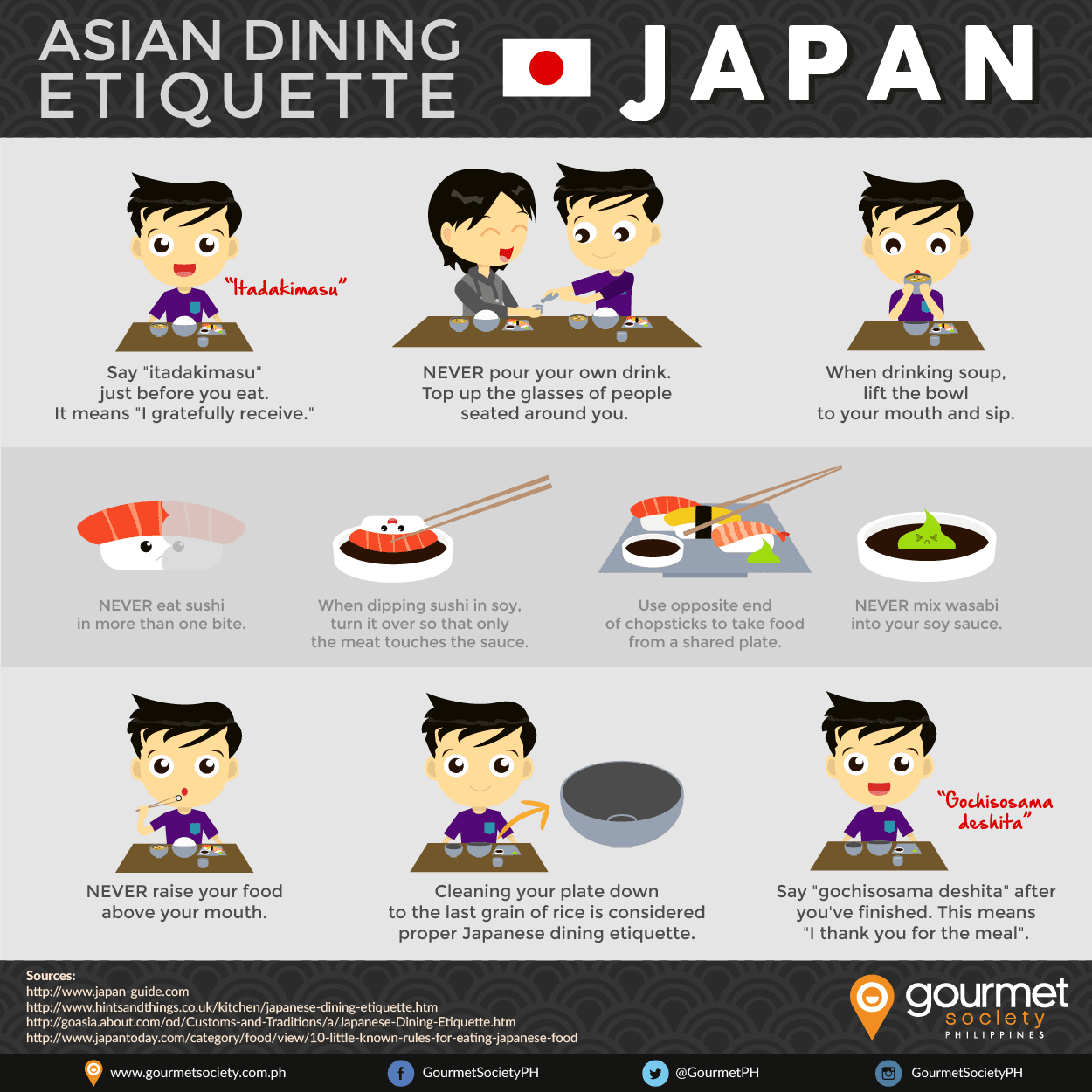
Preparing for a Japanese Meal
The preparation for a Japanese meal extends beyond just setting the table; it encompasses aspects of hygiene, seating arrangements, and attire, all contributing to a respectful and harmonious dining experience.
Proper Hand Washing and Cleanliness
Cleanliness is paramount in Japanese culture, and hand washing is an integral part of preparing for a meal. Before sitting down to eat, it is customary to wash your hands using an oshibori, a moist towelette provided at most restaurants. This practice is not merely about hygiene; it's a symbolic gesture of purification and readiness to partake in the meal.
Using the Oshibori Correctly
- The oshibori is for cleaning your hands only; avoid using it on your face or neck.
- In formal settings, the oshibori is usually presented rolled up; unroll it and gently wipe your hands.
- After use, neatly re-roll or fold the oshibori and place it back on its holder.
Seating Arrangements and Hierarchy
Seating arrangements in Japanese dining often reflect social hierarchy and respect for elders or guests of honor. The most honored guest is typically seated farthest from the entrance, in a position of prominence known as the “kamiza.” Younger individuals or those of lower rank usually sit closer to the entrance, in the “shimoza.”
Understanding Seating Positions
- The kamiza is typically reserved for the most important guest or the eldest member of the group.
- The shimoza is usually occupied by junior members or those hosting the meal.
- If you are unsure where to sit, wait for your host to guide you.
What to Wear to a Formal Japanese Dinner
The dress code for a formal Japanese dinner is generally conservative and respectful. While a kimono is not expected, appropriate attire demonstrates your regard for the occasion and the host.
Choosing the Right Attire
- Opt for modest clothing that is neither too revealing nor too casual.
- Business attire or smart casual outfits are generally suitable for most formal dinners.
- Avoid wearing overly flashy jewelry or accessories that might be distracting.
During the Meal: Etiquette in Action
Once seated and ready to begin, the true essence of Japanese dining etiquette comes into play. From expressing gratitude to mindful eating, each action is imbued with meaning and consideration.
Saying "Itadakimasu" and "Gochisosama Deshita"
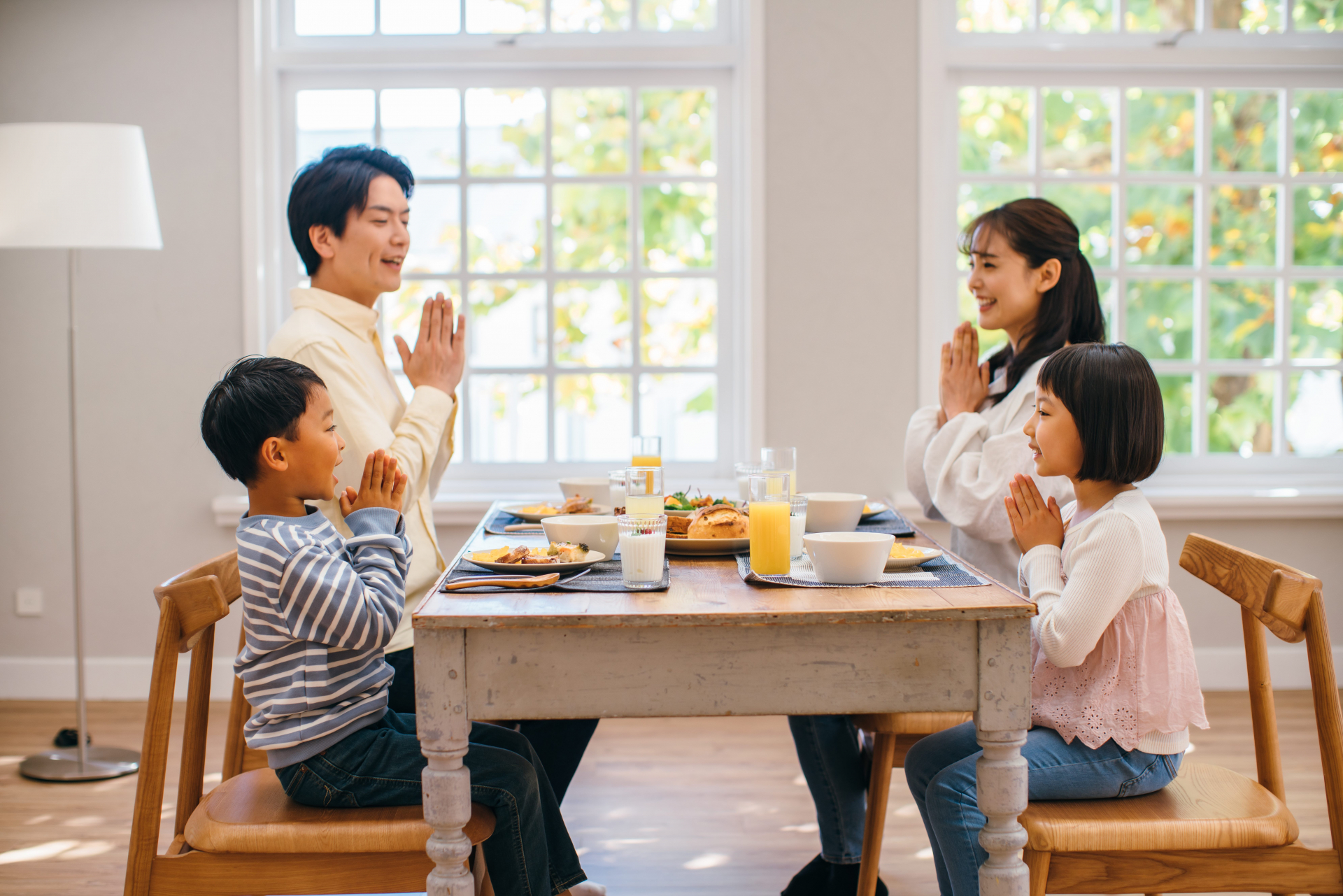
Before and after the meal, specific phrases are used to express gratitude and respect. "Itadakimasu" is said before eating, expressing thanks for the meal and acknowledging the life that was taken to provide it. "Gochisosama deshita" is said after the meal, conveying gratitude to the host and those who prepared the food. These phrases are fundamental to Japanese dining culture and should always be used.
Using the Phrases Correctly
- Say "Itadakimasu" with your hands together, showing reverence for the meal.
- Say "Gochisosama deshita" after you have finished eating, to show your appreciation.
- These phrases are not merely words; they are expressions of deep gratitude.
Pouring Drinks for Others (and Allowing Others to Pour for You)
In Japanese dining, it is customary to pour drinks for your companions rather than serving yourself. This act of service fosters a sense of community and attentiveness. Similarly, you should allow others to pour your drink for you, holding out your glass as a sign of acceptance.
The Art of Pouring and Receiving
- Always pour drinks for others before pouring one for yourself.
- Hold the bottle with both hands when pouring, showing respect.
- When someone pours for you, lift your glass slightly to show gratitude.
- Never let your neighbor's glass remain empty; be attentive and offer to refill it.
Eating at the Right Pace and Avoiding Waste
Eating at a moderate pace and avoiding food waste are essential aspects of Japanese dining etiquette. Eating too quickly can be seen as impolite, while leaving food uneaten implies a lack of appreciation for the meal. It’s important to savor each bite and only take as much food as you can comfortably finish.
Mindful Eating Practices
- Eat at a pace that is comfortable for everyone at the table.
- Avoid taking large portions that you may not be able to finish.
- If you are full, politely decline additional servings.
- Show respect for the food by consuming it thoughtfully and completely.
Post-Meal Etiquette and Considerations
The conclusion of a Japanese meal is just as important as the beginning and middle. Proper etiquette dictates how to clean up, express gratitude, and leave the table gracefully.
Cleaning Up and Offering to Help
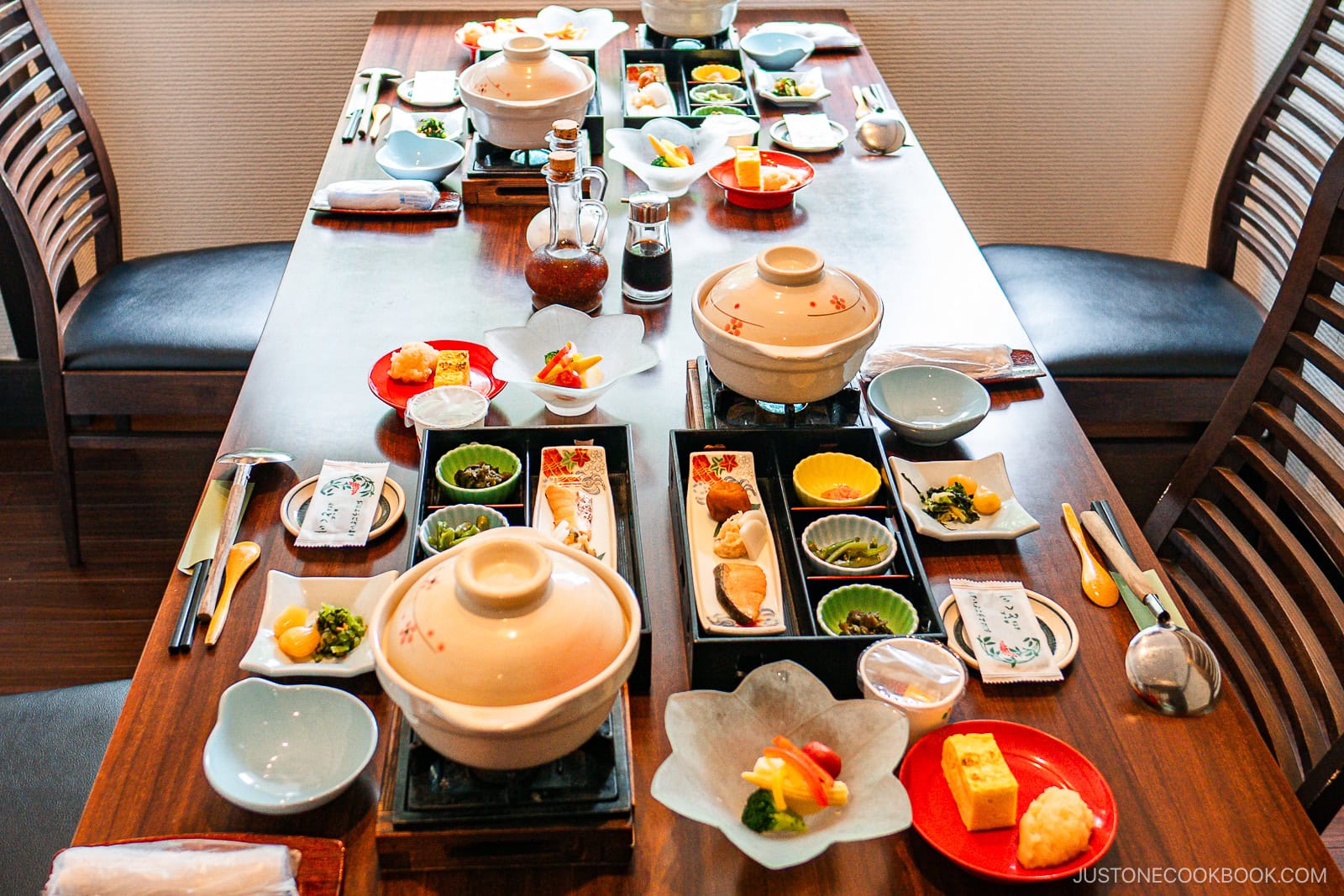
While it is not always expected, offering to help with cleaning up after a meal is a thoughtful gesture. In more casual settings, such as dining at someone's home, assisting with clearing the table or washing dishes is a sign of politeness. In restaurants, simply stacking your dishes neatly can be appreciated.
How to Offer Assistance
- In a home setting, offer to help clear the table or wash dishes.
- In a restaurant, stack your dishes neatly to assist the staff.
- Your willingness to help demonstrates respect and consideration.
Expressing Gratitude to the Host
Expressing sincere gratitude to the host is a crucial part of Japanese etiquette. A simple "Gochisosama deshita" is a start, but elaborating on what you enjoyed about the meal adds a personal touch. Complimenting the food, the company, or the ambiance shows that you truly appreciated the experience.
Ways to Show Appreciation
- Verbalize your thanks with specific compliments about the meal or the company.
- A small gift, such as a sweet or a token of appreciation, can also be a thoughtful gesture.
- Your sincerity in expressing gratitude will be highly valued.
Leaving the Table Gracefully and Quietly
When it is time to leave, do so with grace and consideration. Avoid making loud noises or causing a disturbance. Politely excuse yourself from the table and thank the host once more before departing.
Departing with Respect
- Excuse yourself quietly and respectfully.
- Thank the host again as you leave.
- Avoid lingering or causing a commotion.
Understanding and practicing Japanese table manners is more than just following rules; it's about demonstrating respect, appreciation, and a genuine interest in Japanese culture. By mastering these essential etiquette tips, you'll not only enhance your dining experiences but also foster deeper connections with those around you. Whether you're a seasoned traveler or a first-time visitor, these guidelines will help you navigate the world of Japanese dining customs with confidence and grace. From the initial hand washing to the final expression of gratitude, each gesture contributes to a harmonious and memorable meal. Embrace these traditions, and you'll find that they enrich your understanding and appreciation of Japan's unique cultural heritage. Learning Japanese dining customs can be a rewarding experience. By understanding the cultural significance of Japanese dining, you not only show respect but also deepen your appreciation for the country's rich traditions.


Messenger

Back to top