
Agemono, a cornerstone of Japanese cuisine, refers to dishes that are deep-fried to perfection. This culinary art form encompasses a wide range of ingredients and techniques, each contributing to the unique flavors and textures that define Japanese deep-fried delights. From the crispy exterior of tempura to the succulent interior of tonkatsu, agemono offers a diverse and satisfying experience for food enthusiasts. This guide delves into the world of agemono, exploring its history, techniques, variations, and modern adaptations.
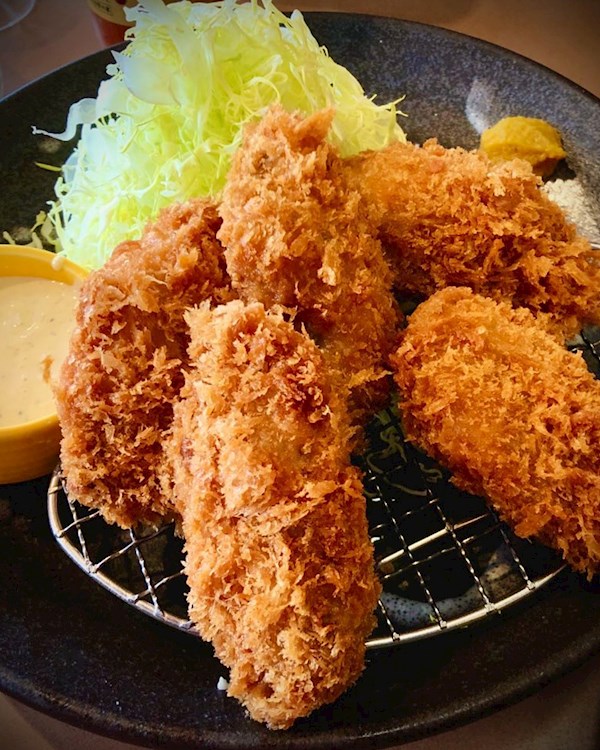
Exploring the World of Agemono
Understanding Japanese Deep-Frying
Deep-frying, or agemono, is more than just submerging food in hot oil. It's a precise technique that requires careful attention to detail. The process involves cooking food in oil at a consistent temperature, typically between 160°C and 180°C (320°F and 356°F). This high heat rapidly cooks the food, creating a crispy outer layer while retaining moisture inside. The result is a delightful contrast of textures that is characteristic of well-executed agemono.
The history of agemono in Japan dates back to the Edo period (1603-1868), when cooking oil became more readily available. Initially influenced by Portuguese traders who introduced tempura, Japanese chefs refined the technique and developed their own unique styles of deep-frying. Today, agemono is a staple in Japanese cuisine, enjoyed in homes, restaurants, and street food stalls across the country.
Essential Ingredients for Agemono
The quality of ingredients is paramount in agemono. Fresh, high-quality ingredients not only taste better but also hold up better during the frying process. Common ingredients used in agemono include:
- Vegetables: Eggplant, pumpkin, sweet potato, lotus root, and shiso leaves
- Seafood: Shrimp, squid, white fish, and scallops
- Meat: Pork (for tonkatsu), chicken (for karaage), and beef
- Tofu: Firm tofu and silken tofu
The type of oil used also plays a crucial role. Neutral-flavored oils with a high smoke point are preferred. Common choices include:
- Vegetable oil: A versatile and affordable option
- Canola oil: Another neutral-flavored oil with a high smoke point
- Sesame oil: Adds a nutty flavor, often used in combination with other oils
- Peanut oil: A good option for those without peanut allergies, known for its high smoke point
Selecting the right cooking oil for deep-frying is essential for achieving the desired flavor and texture in agemono dishes.
The Art of the Batter
The batter is a critical component of many agemono dishes, providing a protective coating that helps to create a crispy exterior. The most common type of batter is tempura batter, which is made from a simple mixture of flour, water, and egg. The key to a light and crispy tempura batter is to use cold ingredients and avoid overmixing. Overmixing develops gluten in the flour, resulting in a tough and heavy batter.
Variations in batter can significantly alter the final product. For example, using rice flour instead of wheat flour can create a gluten-free batter that is even lighter and crispier. Adding cornstarch to the batter can also enhance crispiness. Some recipes call for the addition of sparkling water or beer to create a bubbly batter that results in a delicate and airy texture.
The batter should be thin enough to coat the ingredients lightly but thick enough to adhere properly. Before frying, it's important to ensure that the ingredients are dry to prevent the batter from becoming soggy.
Agemono Techniques and Secrets
Preparing Ingredients for Frying
Proper preparation of ingredients is essential for achieving optimal results in agemono. Vegetables should be cut into uniform sizes to ensure even cooking. Seafood should be thoroughly cleaned and patted dry to remove excess moisture. Meat should be trimmed of excess fat and pounded to tenderize it.
Marinating ingredients before frying can enhance their flavor and tenderness. For example, chicken for karaage is often marinated in soy sauce, ginger, and garlic. Tofu can be pressed to remove excess water, allowing it to absorb more flavor and become crispier when fried.
Blanching vegetables before frying can help to shorten the cooking time and preserve their color. This technique is particularly useful for dense vegetables like carrots and potatoes.
The oil temperature is a critical factor in agemono. Using a deep-fry thermometer to monitor the oil temperature is highly recommended. The ideal temperature range is between 160°C and 180°C (320°F and 356°F). If the oil is too hot, the food will brown too quickly on the outside while remaining undercooked inside. If the oil is not hot enough, the food will absorb too much oil and become greasy.
Here are some tips for preparing ingredients for agemono:
- Cut ingredients into uniform sizes
- Pat ingredients dry to remove excess moisture
- Marinate ingredients to enhance flavor
- Blanch vegetables to shorten cooking time
Achieving the Perfect Golden Crisp
Achieving the perfect golden crisp is the ultimate goal of agemono. Several factors contribute to this desirable outcome:
- Oil temperature: Maintain a consistent oil temperature between 160°C and 180°C (320°F and 356°F).
- Batter consistency: Use a thin, light batter that coats the ingredients evenly.
- Frying time: Fry the food until it is golden brown and crispy, but not burnt.
- Crowding: Avoid overcrowding the fryer, as this will lower the oil temperature and result in soggy food.
- Draining: After frying, drain the food on a wire rack to remove excess oil.
The type of oil used can also affect the crispiness of the food. Oils with a high smoke point, such as peanut oil and vegetable oil, tend to produce crispier results. Adding a small amount of alcohol, such as sake or vodka, to the batter can also enhance crispiness.
The sound of the oil can be an indicator of doneness. When the bubbling subsides and the oil becomes quieter, it is a sign that the food is nearing completion.
Here are some additional tips for achieving the perfect golden crisp:
- Use a deep-fry thermometer to monitor the oil temperature
- Use a light and thin batter
- Avoid overcrowding the fryer
- Drain the food on a wire rack
Avoiding Common Agemono Mistakes
Several common mistakes can prevent you from achieving the best results in agemono. One of the most common mistakes is using oil that is not hot enough. This results in food that is greasy and soggy. Another common mistake is overcrowding the fryer, which lowers the oil temperature and prevents the food from cooking evenly.
Overmixing the batter can also lead to problems. Overmixing develops gluten in the flour, resulting in a tough and heavy batter. It's important to mix the batter gently and only until the ingredients are just combined.
Failing to dry the ingredients before frying can also cause problems. Excess moisture can cause the batter to become soggy and prevent the food from browning properly.
Here are some tips for avoiding common agemono mistakes:
- Use oil that is hot enough
- Avoid overcrowding the fryer
- Mix the batter gently
- Dry the ingredients before frying
Agemono Variations and Modern Twists
Regional Agemono Specialties
Japan boasts a diverse culinary landscape, with each region offering its own unique agemono specialties. Some notable examples include:
- Nagoya's Miso Kushikatsu: Skewered pork cutlets dipped in a rich miso sauce.
- Osaka's Kushikatsu: Similar to Nagoya's version, but with a wider variety of ingredients and a lighter sauce.
- Hiroshima's Kaki Fry: Deep-fried oysters, a local delicacy.
- Kyushu's Chicken Nanban: Fried chicken marinated in a sweet and sour sauce, topped with tartar sauce.
These regional variations showcase the versatility of agemono and the creativity of Japanese chefs.

Vegetarian and Vegan Agemono Options
Agemono is not limited to meat and seafood. A wide range of vegetarian and vegan options are available, offering a delicious and satisfying alternative. Popular choices include:
- Vegetable Tempura: A classic vegetarian option featuring a variety of seasonal vegetables.
- Agedashi Tofu: Deep-fried tofu served in a savory broth.
- Ganmodoki: Deep-fried tofu patties mixed with vegetables and seaweed.
- Vegan Korokke: Croquettes made with mashed vegetables and plant-based ingredients.
These vegetarian and vegan agemono dishes are a testament to the adaptability of Japanese cuisine.
Fusion Agemono Creations
In recent years, chefs around the world have been experimenting with fusion agemono creations, blending Japanese techniques with global flavors. Some innovative examples include:
- Tempura Tacos: Tempura-battered shrimp or vegetables served in a taco shell with various toppings.
- Karaage Sliders: Bite-sized karaage chicken served on mini buns with coleslaw and sauce.
- Korokke Burgers: Croquettes used as patties in a burger, topped with cheese and vegetables.
These fusion dishes demonstrate the endless possibilities of agemono and its ability to adapt to different culinary traditions.
Agemono, with its rich history and diverse techniques, continues to be a beloved part of Japanese cuisine. Whether enjoyed in its traditional form or as part of a modern fusion creation, agemono offers a delightful culinary experience that is sure to satisfy. The art of achieving a perfect, golden crisp, combined with the versatility of ingredients, makes agemono a truly exceptional culinary art form. Experimenting with different batters, oils, and ingredients can lead to exciting discoveries and personalized agemono creations. The possibilities are endless, making agemono a rewarding and enjoyable culinary adventure. From mastering the classic tempura to exploring regional specialties and innovative fusion dishes, the world of agemono is waiting to be explored. The journey into Japanese culinary traditions through agemono is a delicious and rewarding experience.


Messenger

Back to top